Get in touch with Zhenling Company

Application & Process
CNC Machining for Industries
CNC machining for industries is the project-specific application of controlled machining routes to different operating, material and acceptance requirements. Zhenling evaluates the inputs that change the manufacturing route: material condition, geometry, critical features, inspection evidence, operating environment and delivery profile. This review creates a clearer path from your drawing or sample to a reviewable quotation for custom metal components.
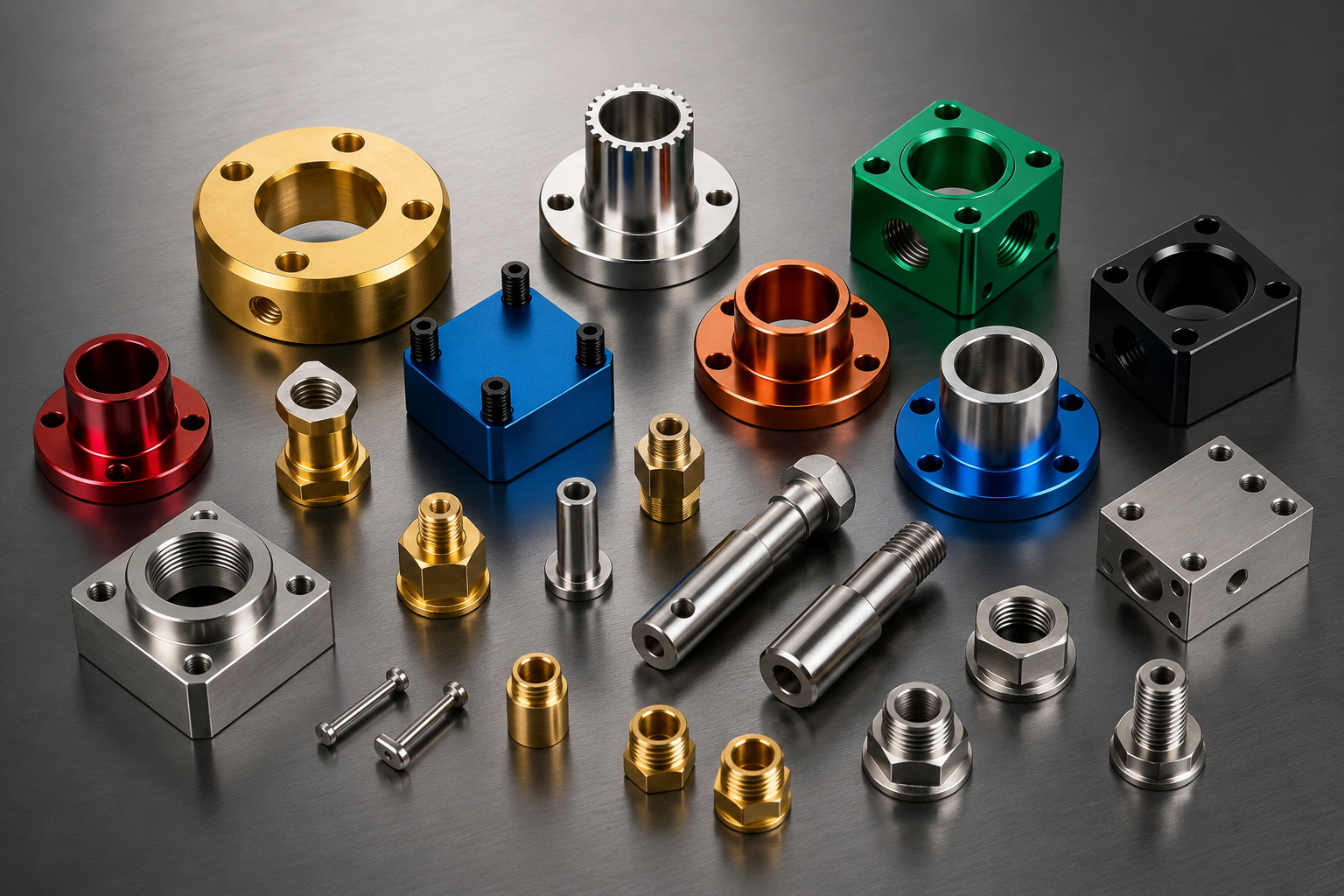
How We Work: RFQ Inputs Before Route Selection
A quotation becomes reviewable when the drawing, material, critical features, quantity, inspection scope and delivery destination are supplied together. Zhenling uses those inputs to choose a machining route, identify open questions and prepare a written quote scope. Request a drawing review when that package is ready.
Inputs that change the manufacturing route
-
01Part function, controlled drawing revision, CAD geometry and material condition
-
02Critical features, datum scheme, inspection evidence and secondary operations
-
03Prototype quantity, repeat volume, delivery destination and any restricted-data handling need
Parts We Review: CNC Fabrication Capabilities and Equipment Routes
A computer numerical control program turns approved CAD geometry into controlled tool movement, but the CNC machine is only one part of the route. Cutting tool access, workpiece setup, stock condition, heat input, inspection method and downstream assembly all affect the finished component.
EQUIPMENT ROUTE // STAGE 01
- CNC lathes, milling, grinding and boring machines for rotational and prismatic geometry
- CNC radial drilling and CNC wire-cut EDM machines for the applicable feature and material
- Machining process review for prototypes, repeat batches and production parts
EQUIPMENT ROUTE // STAGE 02
- 3-axis and 4-axis CNC machining centers for planned setups
- Imported 5-axis CNC routes for geometry that benefits from multi-face access
- Fixture, datum and inspection planning before the CNC program is released
EQUIPMENT ROUTE // STAGE 03
- CNC shearing, plate rolling and pressing equipment
- Lincoln submerged-arc and gas-shielded welding equipment
- Metal fabrication routes evaluated with machining and assembly requirements
EQUIPMENT ROUTE // STAGE 04
- Complete machine assemblies and custom machine parts
- Flanges, rollers, valve bodies and plugs
- Bent pipes and other non-standard metal parts
- Features produced by mill, lathe, drill, grinding or EDM operations
- Components requiring machining plus forming or welding review
- Metal and plastic assemblies where the metal scope is identified separately
FACTORY PROFILE
Manufacturing facts supplied by Zhenling
These company-level facts come from Zhenling’s supplied profile. Equipment availability, process fit and inspection scope are confirmed against the actual RFQ before quotation.
Established in 2006
Non-standard metal manufacturing and custom machining from client drawings or samples.
8,000 square metres
Jiashan factory site in Zhejiang, with a workshop area of 6,000 square metres.
3-, 4- and 5-axis routes
3-axis machining centres, 4-axis machining centres and imported 5-axis machining centres.
Metal project coverage
Carbon and alloy steels, stainless steels, nickel-based alloys and aluminium alloys.
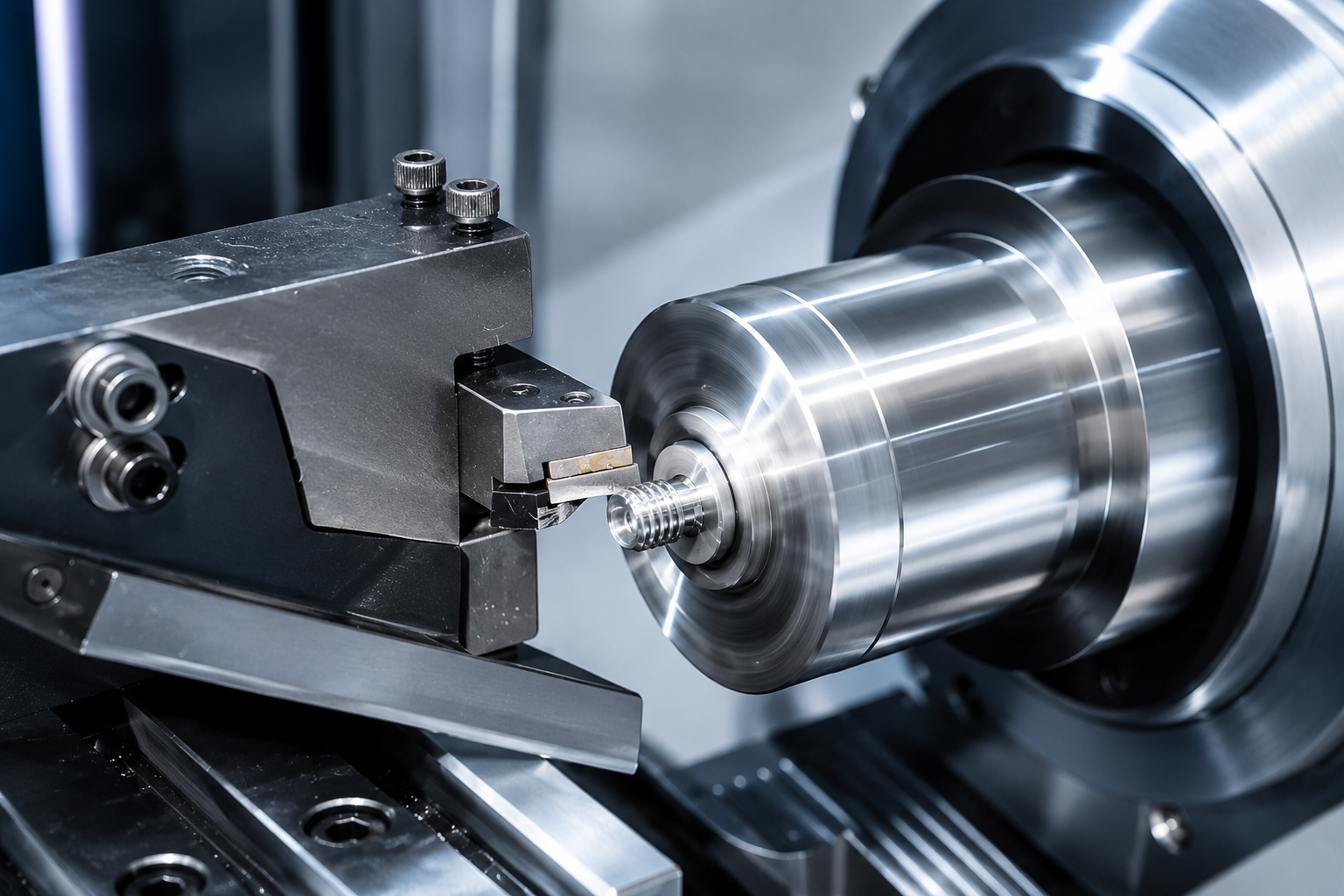
Parts We Process by Material and Service Condition
Material selection starts with service temperature, corrosion exposure, pressure duty, hardness requirement and the features that must be machined or joined. Zhenling’s supplied material scope covers steel, stainless steel, special alloy and aluminum alloy families; individual grade availability and condition are confirmed per project.
Carbon and Alloy Steel
- 20#, 45#, Q235A and Q345D
- 12CrMoV, GCr15, 25CrMo and 42CrMo
- State heat-treatment, hardness and material-certificate requirements in the RFQ
Stainless Steel
- 303, 304, 304L, 316, 316L and 321
- Identify corrosion resistance, weldability and surface-condition priorities
- Separate base-material requirements from passivation, coating or cleaning scope
Nickel-Based and Special Alloys
- Nickel-based alloys for chemical applications, including C276
- 904L reviewed separately as a high-alloy stainless grade
- Define temperature, corrosive medium, pressure and joining conditions
- Confirm stock form and certification before machining time is planned
Aluminium and Other Materials
- Various aluminum alloys reviewed against strength, weight and finishing needs
- Brass or another metal alloy can be submitted for project confirmation
- Plastic parts and composite stock require a separate material and process review
Material-environment screen
Submit Material RFQ
Material grade alone does not settle suitability. Provide the medium, temperature range, pressure cycle, hardness target, mating materials and any cleaning or contamination limit so the material properties can be reviewed in context.
Drawing Control and Application Inputs
ASME Y14.5-2018 (R2024) provides a shared language for stating and interpreting geometric dimensioning and tolerancing on drawings, models and related documents.1 Zhenling uses the controlled project drawing as the acceptance anchor; a CAD file supports computer-aided manufacturing but does not replace critical dimensions, datum logic or notes.
Controlled 2D drawing revision
Defines the dimensional, tolerance, note and acceptance baseline for quotation.
CAD geometry when available
Supports manufacturing review but does not replace the controlled drawing or datum logic.
Critical-to-function features
Identifies where setup, measurement method and acceptance evidence need early agreement.
3-axis machining centres
Equipment class only; no tolerance or travel envelope is implied.
4-axis machining centres
Equipment class only; setup and part fit remain drawing-dependent.
Imported 5-axis machining centres
Equipment class only; feasibility depends on geometry, tooling and inspection.
303 / 304 / 304L / 316 / 316L / 321
Stainless grades stated in the supplied company profile; stock condition is project-specific.
20# / 45# / Q235A / Q345D / 42CrMo
Representative steel grades stated in the supplied profile; hardness and heat treatment must be defined.
Minimum RFQ package
- Current 2D drawing revision plus CAD file when available
- Material grade, stock condition, heat treatment and hardness
- Critical-to-function features, datums, engineering tolerance and surface roughness
- Prototype quantity, annual volume and any high volume production forecast
- Secondary processes, inspection evidence, packaging and delivery destination
MFG // CAPABILITY 04
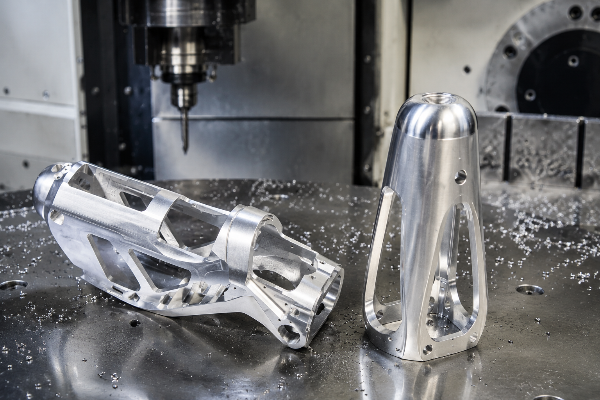
CNC Machining Costs and Production Schedule Inputs
Custom CNC machining costs follow material, stock yield, geometry, tolerance, cutting tool access, setup count, quantity, secondary processing, quality documentation and logistics. This online CNC machining service page is not an instant quote engine; an engineer must review the actual files before price and lead times are stated.
PARAMETER: Material and stock
WHAT THE REVIEWER CHECKS
Grade, condition, bar stock or plate form, availability and material certificate scope
WHAT TO SEND
Grade, standard, condition and approved alternatives
PARAMETER: Geometry and access
WHAT THE REVIEWER CHECKS
Setups, deep features, thin sections, intricate designs and cutting tool reach
WHAT TO SEND
Native CAD file, neutral 3D model and controlled 2D drawing
PARAMETER: Tolerance and inspection
WHAT THE REVIEWER CHECKS
Critical features, datum scheme, measurement method, sampling and report format
WHAT TO SEND
Marked critical characteristics and acceptance requirements
PARAMETER: Quantity profile
WHAT THE REVIEWER CHECKS
Prototype, pilot, mass production or repeat-release demand
WHAT TO SEND
Order quantity, annual volume and forecast cadence
PARAMETER: Secondary operations
WHAT THE REVIEWER CHECKS
Grinding, forming, welding, coating, cleaning or assembly interfaces
WHAT TO SEND
Process specification and masked or protected areas
PARAMETER: Delivery profile
WHAT THE REVIEWER CHECKS
Packaging, export documents, destination, split shipments and requested date
WHAT TO SEND
Ship-to location and release schedule
Inspection Requirements Defined Before Production
Accuracy and precision are properties of a defined machining and measurement system, not a promise created by the words “high precision.” Put the drawing, critical features and required report into the RFQ so measurement and release scope can be quoted together.
Zhenling drawing-review rule
A calibrated tool is one input, not the acceptance decision. Feature definition, datum logic, material condition, measurement method, relevant uncertainty and the decision rule must work together. NIST states that traceability alone does not guarantee fitness for purpose.2
Drawing language
- Feature, nominal value and tolerance
- Datum references and geometry controls
- Surface roughness, edge and thread requirements
Measurement plan
- Method and measurement-equipment capability
- Calibration status and documented traceability chain
- Relevant uncertainty and environmental condition
Acceptance decision
- Sampling or 100% inspection scope
- First-article, in-process and final records
- Decision rule for results near a tolerance limit
Release evidence by project risk
Controlled drawing
Dimensions, notes, revision and design intent
Conflict resolution between model and drawing
Material documentation
Specified material identity and supplied condition
Required certificate type and lot linkage
Dimensional report
Recorded results for agreed characteristics
Method, sampling, uncertainty and report format
First-article package
Initial production verification against an agreed scope
Ballooning, form, approvals and re-submission triggers
How We Work: Drawing-to-Delivery Workflow
Our workflow keeps engineering, quality and procurement decisions in the same chain. Record inspection requirements, delivery conditions and unresolved technical questions before the next stage is agreed, because missing inputs can change the route, quotation assumptions or required release evidence.
01 · INTAKE
Project package
Drawing, model, material, quantity, environment and delivery request.
02 · REVIEW
Process route
CNC turning, CNC milling, EDM, grinding, forming, welding or assembly interfaces.
03 · ALIGN
Acceptance scope
Critical features, inspection records, documentation and open questions.
04 · QUOTE
Written scope
Commercial terms, assumptions, exclusions and production schedule.
05 · PRODUCE
Manufacture and release
Approved route, agreed checks, packaging and delivery evidence.
Machine operation decisions that change the route
A CNC milling machine handles many prismatic features, while a CNC lathe suits rotational work and CNC turning.
Electrical discharge machining can reach features that are unsuitable for a conventional drill or mill, provided the workpiece material and geometry fit the EDM process.
CNC programming and CAM planning must match the machine tool, spindle, fixture, cutter and inspection strategy.
Automation can improve repeatability and productivity, but it does not remove the need for controlled setup, tool-life management and quality control.
Application & Process
Industries We Review: Seven CNC Requirement Routes
CNC is widely used across modern manufacturing because computer numerical control can repeat programmed motion across complex manufacturing processes. Application requirements still differ sharply by operating risk, documentation, material and acceptance criteria, so each card below opens a separate project-requirement route.
Scope of the industry cards
- A machine list is not a substitute for feature-level process and measurement capability.
- A certificate name is not a substitute for entity, scope, validity and project applicability.
- Traceability is not a substitute for a fit-for-purpose measurement and acceptance plan.
- An industry label is not a substitute for the actual component role and contractual flow-downs.
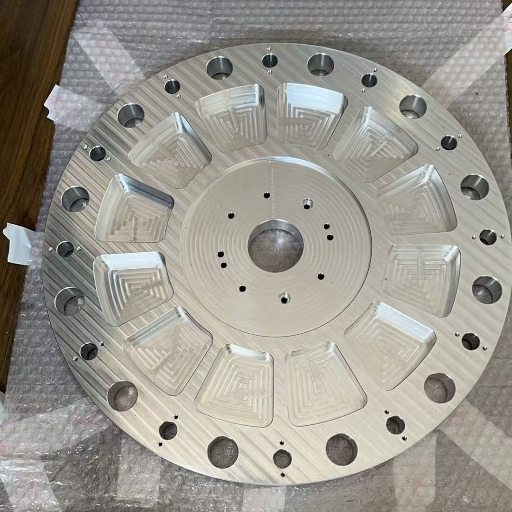
Aerospace CNC Machining
- Material condition and aircraft component function
- Critical geometry, special processes and inspection flow-downs
- Classification and authorized handling of technical data
Project requirement checklist only — not evidence of certification, approval, supplier qualification or prior production in this sector.
Aerospace requirements
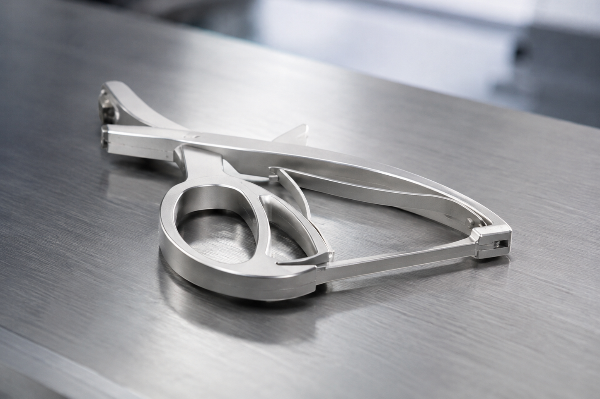
Medical CNC Machining
- Actual component, accessory or finished-device status
- Material, cleaning, traceability and risk-control inputs
- Manufacturer oversight and required release evidence
Project requirement checklist only — not evidence of certification, approval, supplier qualification or prior production in this sector.
Medical requirements
Automotive CNC Machining
- Prototype, validation and production-release phase
- Engine parts, engine components or vehicle-system interface
- Capacity, change control and repeat inspection evidence
Project requirement checklist only — not evidence of certification, approval, supplier qualification or prior production in this sector.
Automotive requirements
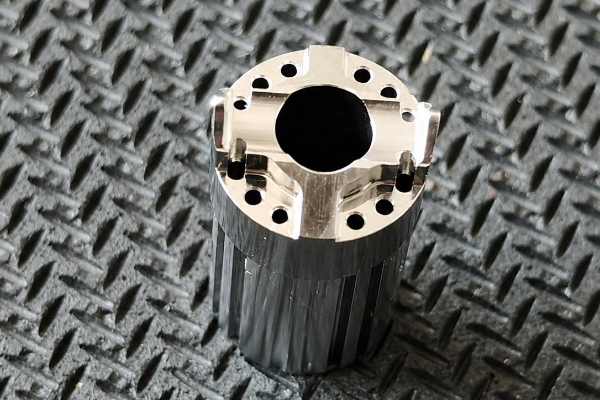
Robotics CNC Machining
- Motion, alignment, stiffness and assembly datums
- Joint, frame, shaft and automation interface requirements
- Prototype learning versus repeat production controls
Project requirement checklist only — not evidence of certification, approval, supplier qualification or prior production in this sector.
Robotics requirements
Electronics CNC Machining
- Electronic devices, enclosures and interfaces with circuit boards
- Thermal path, shielding, connector and cosmetic zones
- Cleaning, burr, particle and surface-condition limits
Project requirement checklist only — not evidence of certification, approval, supplier qualification or prior production in this sector.
Electronics requirements
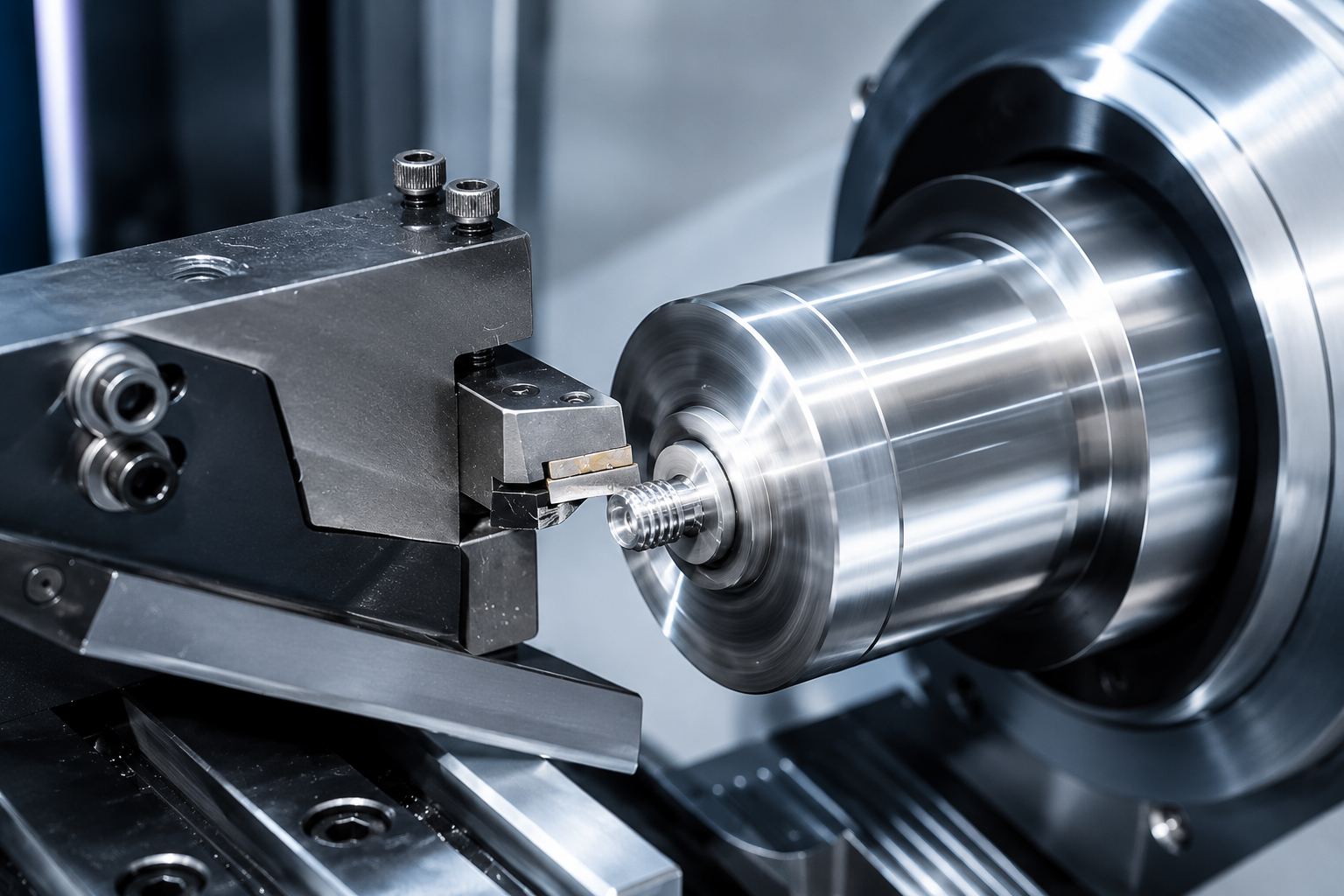
Semiconductor CNC Machining
- Vacuum, corrosion, cleanliness and particle-control inputs
- Sealing geometry, surface condition and material traceability
- Cleaning, packaging and change-control documentation
Project requirement checklist only — not evidence of certification, approval, supplier qualification or prior production in this sector.
Semiconductor requirements

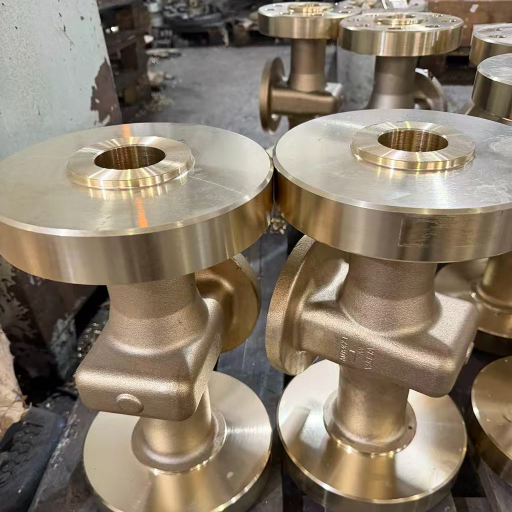
Energy CNC Machining
- Temperature, pressure, corrosion and cyclic-load context
- Valve bodies, flanges, rollers or pressure-system interfaces
- Material, welding, examination and release-document scope
Project requirement checklist only — not evidence of certification, approval, supplier qualification or prior production in this sector.
Energy requirements
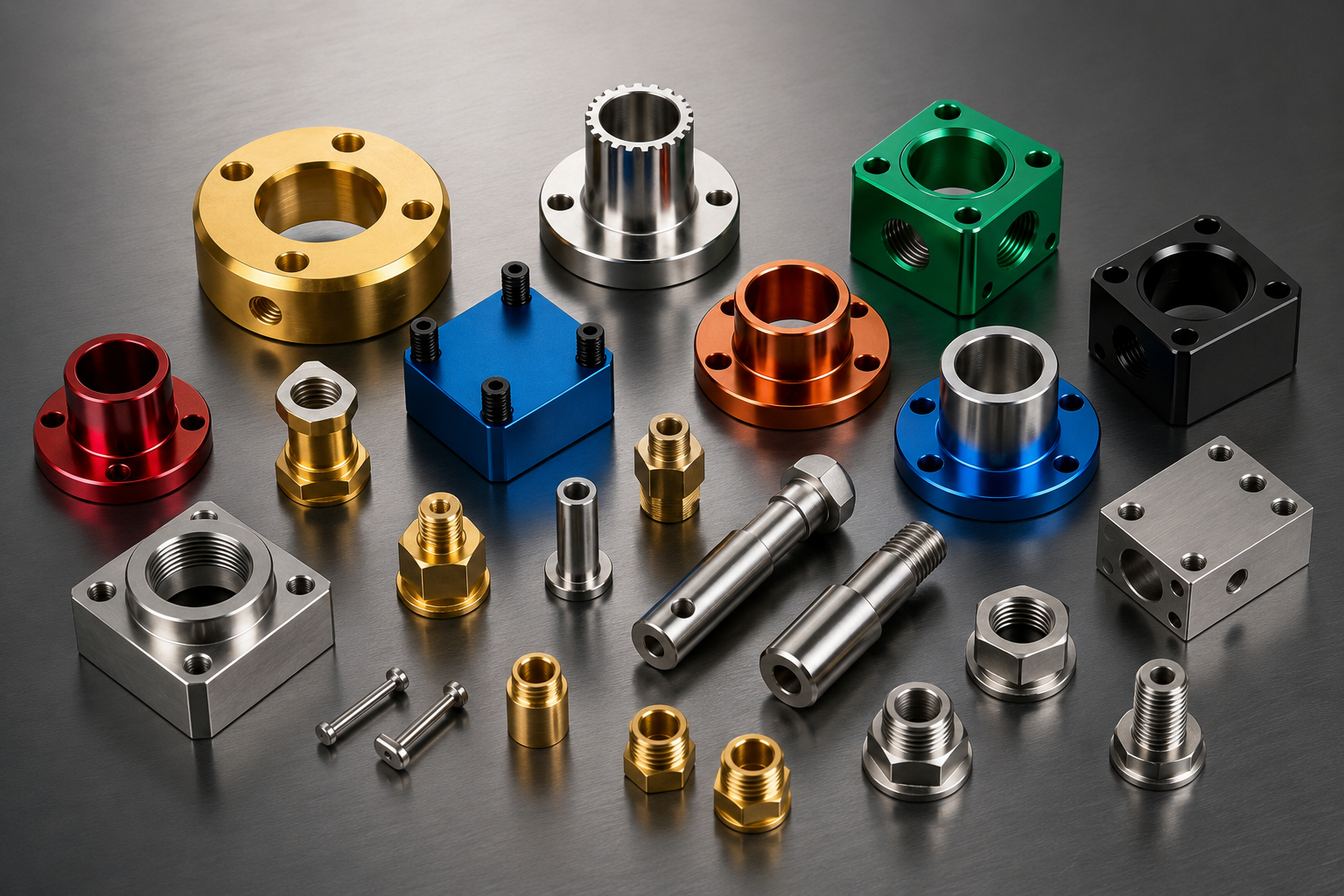
Industries We Review:
Requirement-to-RFQ Matrix
Unlike a generic industries list, this matrix turns each destination into a quotation input. It separates the material environment, acceptance focus and commercial release information so procurement can compare scope without treating an industry label as evidence of universal part capability.
SECTOR: Aerospace manufacturing
Material and environment
Grade, condition, temperature and controlled-data status
Critical acceptance focus
Datum scheme, special processes and inspection flow-downs
Commercial release input
Program role, authorization and approved data channel
SECTOR: Medical industries
Material and environment
Biocompatibility requirement, cleaning and product-contact context
Critical acceptance focus
Actual product role, traceability and manufacturer controls
Commercial release input
Approval holder, destination and required documentation
SECTOR: Automotive industry
Material and environment
Load, wear, heat and corrosion exposure
Critical acceptance focus
Validation stage, change control and repeat capability evidence
Commercial release input
Forecast, release cadence and production documentation
SECTOR: Robotics and automation
Material and environment
Weight, stiffness, wear and mating materials
Critical acceptance focus
Alignment, motion interfaces and assembly datums
Commercial release input
Prototype iteration plan and configuration control
SECTOR: Electronics
Material and environment
Thermal, conductivity, corrosion and cosmetic requirements
Critical acceptance focus
Connector positions, burr, flatness and surface condition
Commercial release input
Assembly interface, cleaning and packaging needs
SECTOR: Semiconductor
Material and environment
Vacuum, chemical, outgassing and cleanliness context
Critical acceptance focus
Sealing, particle, surface and traceability controls
Commercial release input
Change notification, cleaning and protected packaging
SECTOR: Energy
Material and environment
Pressure, temperature, medium and cyclic duty
Critical acceptance focus
Material, sealing, welding, examination and testing scope
Commercial release input
Jurisdiction, code edition, responsibility and release dossier
How We Work: Evaluating Routes Beyond CNC Machining
More axes are not always better, a tighter tolerance is not always more valuable, and the cheapest unit quote is not always the lowest-risk supply decision. CNC works best when the subtractive route matches the geometry, volume, material and validation stage.
Early form-only prototype
Why another route may fit
3D printing may test envelope and assembly faster before metal cutting begins.
01
Next evaluation
Separate functional surfaces from form-check features.
Thin folded enclosure
Why another route may fit
Sheet metal laser cutting and bending may use stock more efficiently than milling from solid.
02
Next evaluation
Review bend radii, seams, inserts and cosmetic faces.
Simple high-volume near-net geometry
Why another route may fit
Die casting, sand casting, forging or another forming route may reduce machining time after tooling is justified.
03
Next evaluation
Compare tooling, annual volume, porosity limits and finish-machining allowance.
Large flat sign or soft panel
Why another route may fit
A CNC router or dedicated router can be a better machine for sheet stock, plastic or engraving work.
04
Next evaluation
Confirm material, thickness, edge quality and whether the job must engrave or cut through.
Critical feature without a measurement plan
Why another route may fit
High precision wording cannot replace a defined tolerance and acceptance method.
05
Next evaluation
Complete the inspection planner before releasing the machining process.
01/05
Engineering & Evaluation Toolkits
Industry RFQ Checklist
Define critical surface finish parameters, coating specifications, and post-machining treatments required for your specific industrial application.
Material Environment Screen
Evaluate material compatibility against operating temperatures, corrosive media, pressure cycles, and mating surface conditions.
Inspection Acceptance Planner
Establish measurement methods, sampling scopes, and release evidence requirements prior to production execution.
FAQ: Custom Machined Part Buying Questions
What are the main types of CNC used for custom metal parts?
Zhenling's supplied equipment profile includes CNC milling, CNC turning on a lathe, boring, grinding, radial drilling, wire-cut EDM and 3-, 4- or 5-axis machining centres. Process selection depends on the feature, setup, material and inspection route rather than the machine name alone.
How does CNC technology turn a design into a finished part?
Computer-aided design defines the geometry, while computer-aided manufacturing or CAM creates the toolpath and CNC programming instructions. CNC system movement still depends on fixture location, cutting tool condition, workpiece behavior and quality control to meet the drawing.
Which industries use CNC machining?
Various industries use CNC for aircraft, cars, medical devices, robotics, electronic devices, semiconductor equipment and energy systems. This hub routes those applications to seven requirement checklists instead of treating every industry as the same manufacturing problem.
Can Zhenling quote turbine blades, surgical instruments or an implant component?
Submit the drawing and the actual product role for review. A request involving turbine blades, surgical instruments, an implant or production of medical devices needs project-specific material, regulatory, supplier-qualification and acceptance evidence before feasibility can be stated.
Does FDA QMSR apply to every medical machined component supplier?
No. FDA states that the QMSR became effective on February 2, 2026 and applies to finished device manufacturers, including certain accessories; the actual party role and product status determine applicability.3
Does a certificate or industry badge prove project approval?
No single badge settles the question. ISO explains that certification concerns a specified product, service or system and points users to the actual certification statement or certificate; project review must still confirm the party, entity, scope, issuer, validity and applicable requirement.4
How much does an industrial CNC machining service cost?
There is no fixed price list for custom parts. Cost follows material, geometry, tolerance, machining time, setup share, quantity, secondary processing, inspection, packaging and delivery; send a controlled drawing and quantity profile for a written scope.
What creates a comparable CNC machining quote?
Use the same drawing revision, material condition, quantity bands, surface treatment, inspection documents, packaging and delivery destination for every bidder. Ask each supplier to return assumptions and exclusions so a low unit price cannot hide omitted scope.
Can controlled technical data be sent through the popup?
Use the ordinary popup only for a non-controlled commercial summary until the originator or authorized holder confirms classification, recipient eligibility, exchange authorization and an approved channel. Controlled technical data can include drawings and manufacturing information under applicable rules, so the channel controls matter more than whether the interface is called email, chat or a popup.5
Why do similar material and geometry matter when choosing a supplier?
Comparable material, geometry and tolerance experience is more informative than a long machinery list because it connects tool wear, setup, deformation and measurement to the actual feature. A final decision still needs current project evidence rather than a generic industry claim.
![Shop-Floor Carbon Steel CNC Machining Guide [2026]](https://zhenlingmetal.com/wp-content/uploads/2026/08/carbon-steel-cnc-machining-handbook-r2-featured-150x150.png)