Get in touch with Zhenling Company
Different starting conditions can create different labor and adhesion risk

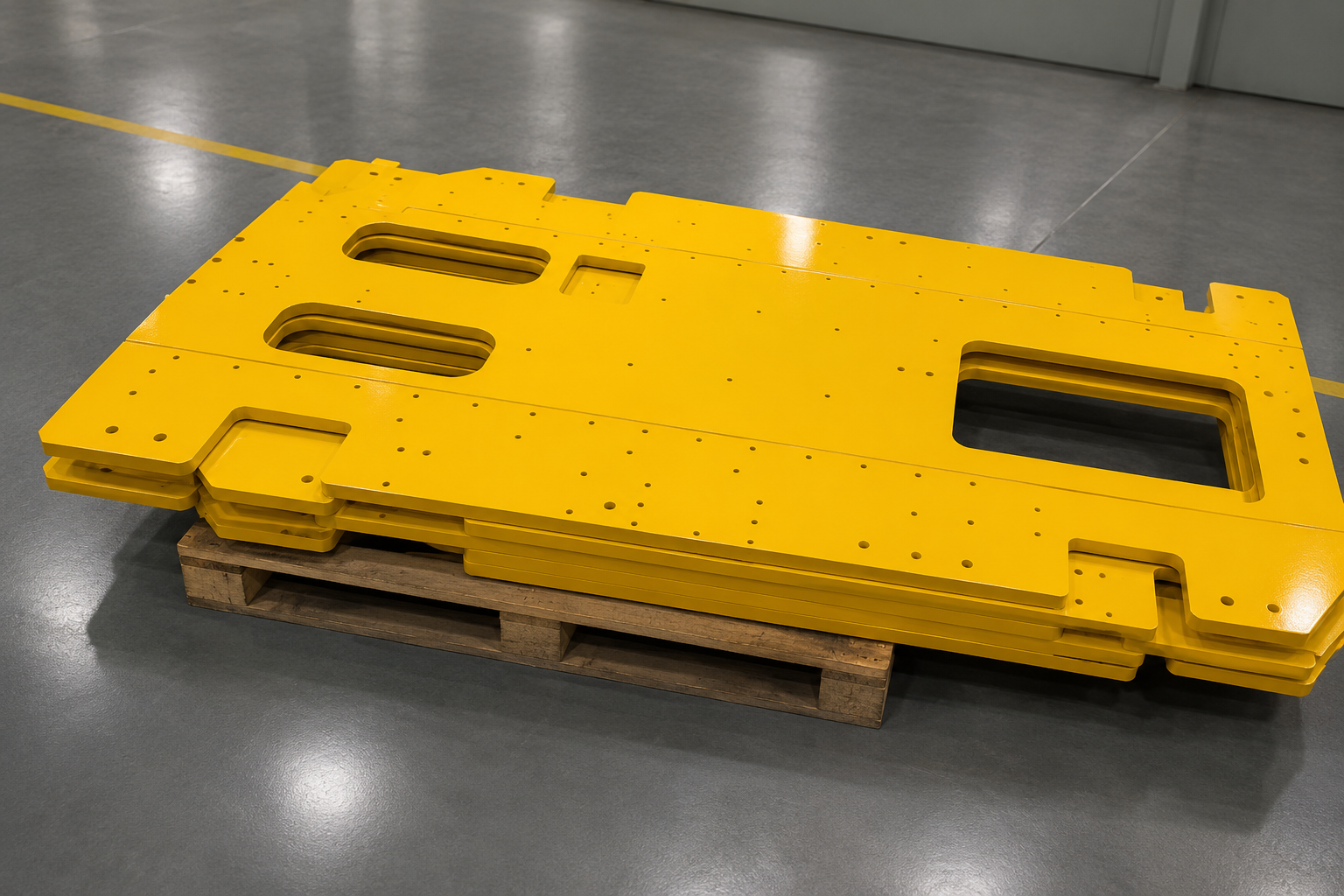
Zhenling’s standard painting service offers solvent-based, water-based and 2K epoxy options, including one-piece minimum-order requests. The written quotation identifies the proposed processing responsibility, coating family and product without asserting a named processor’s credentials or execution site. Send the substrate, service environment, Pantone, RAL or physical color master, gloss target and masking drawing; those inputs allow the proposed processor, coating specification, acceptance method and responsibility split to be reviewed in writing. Painting Services enquiries should include service environment, surface preparation, paint system, film thickness, masking, cure and inspection. Record the proposed route, measurement method, deliverables, exclusions, price basis and schedule in the quotation for the released part, together with every unresolved manufacturing or acceptance assumption.
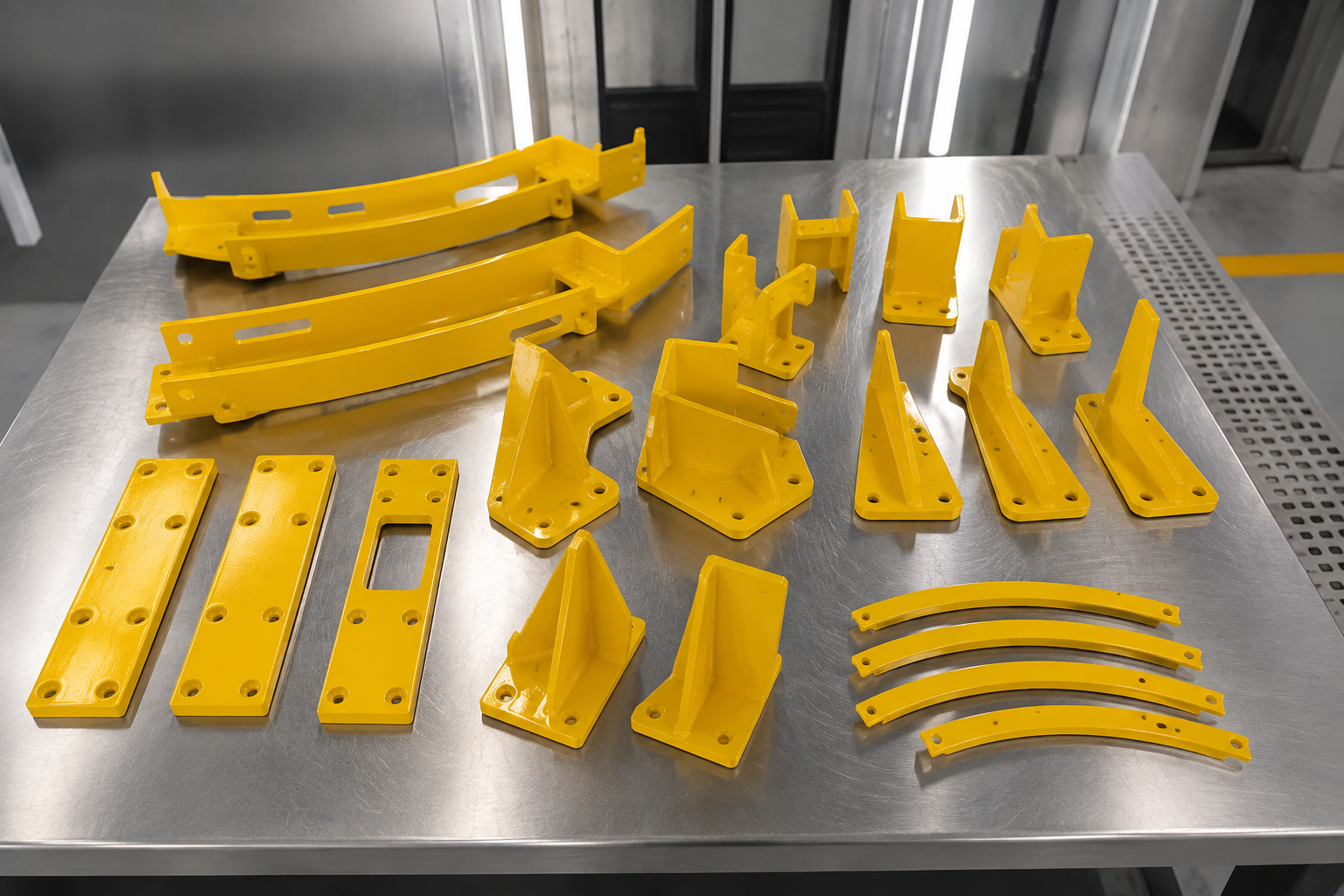
Liquid painting runs from sample to production, and custom CNC metal parts can be painted in one-off sample runs or repeat production. The review moves from the drawing outward: substrate and initial surface, preparation, paint family, color, masking, film build, cure constraints, inspection and packaging.
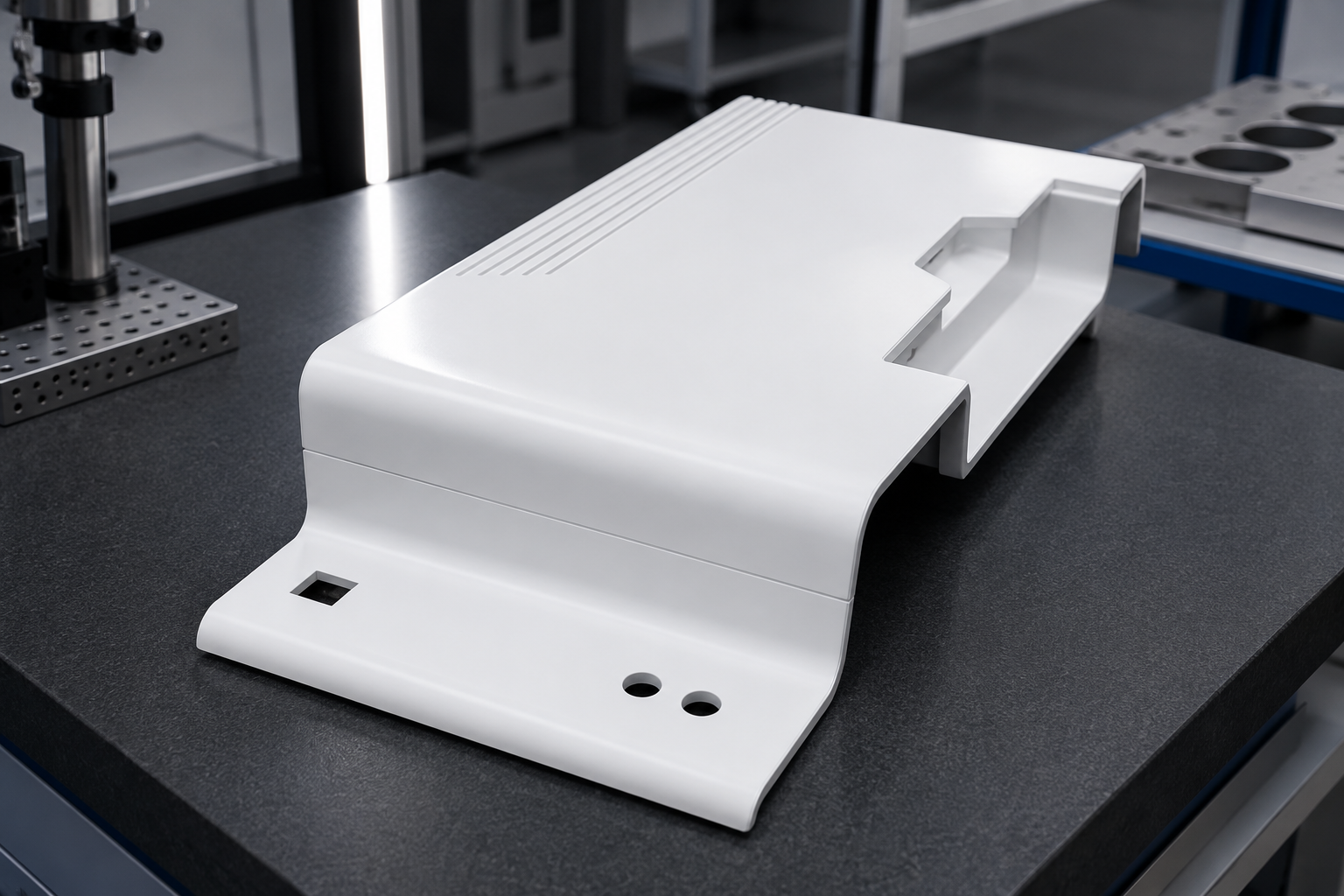
Selected liquid paint is evaluated against the appearance objectives for a matte, flat, satin, semi-gloss and gloss finish, and the approved color reference for the same color target.
Multi-color work is reviewed when the drawing identifies each color zone, boundary and approval master. Metallic and visually sensitive colors are routed through a finish or first-article sample before repeat production.
We review paint-free threads, bores, grounding points, mating faces, datum areas and assembly interfaces. The approved drawing controls the masked boundary and whether a critical dimension is accepted before or after coating.
A color code alone does not specify a production finish. Zhenling confirms each route against the substrate, service environment, paint product or performance requirement, gloss or texture, masked features, dry-film-thickness limits and acceptance plan.
Request QuotationZhenling was established in 2006 and operates an 8,000 square meter site with a 6,000 square meter workshop. This describes Zhenling’s machining base; the quotation identifies the painting party and execution site. One written order coordinates drawing review, quotation, CNC manufacture, the approved coating route, inspection and delivery.
When liquid painting and powder coating are both under consideration, compare substrate, geometry, masking, heat exposure, color approval and acceptance requirements before the finish route is released. Review the separate powder coating services for metal parts.
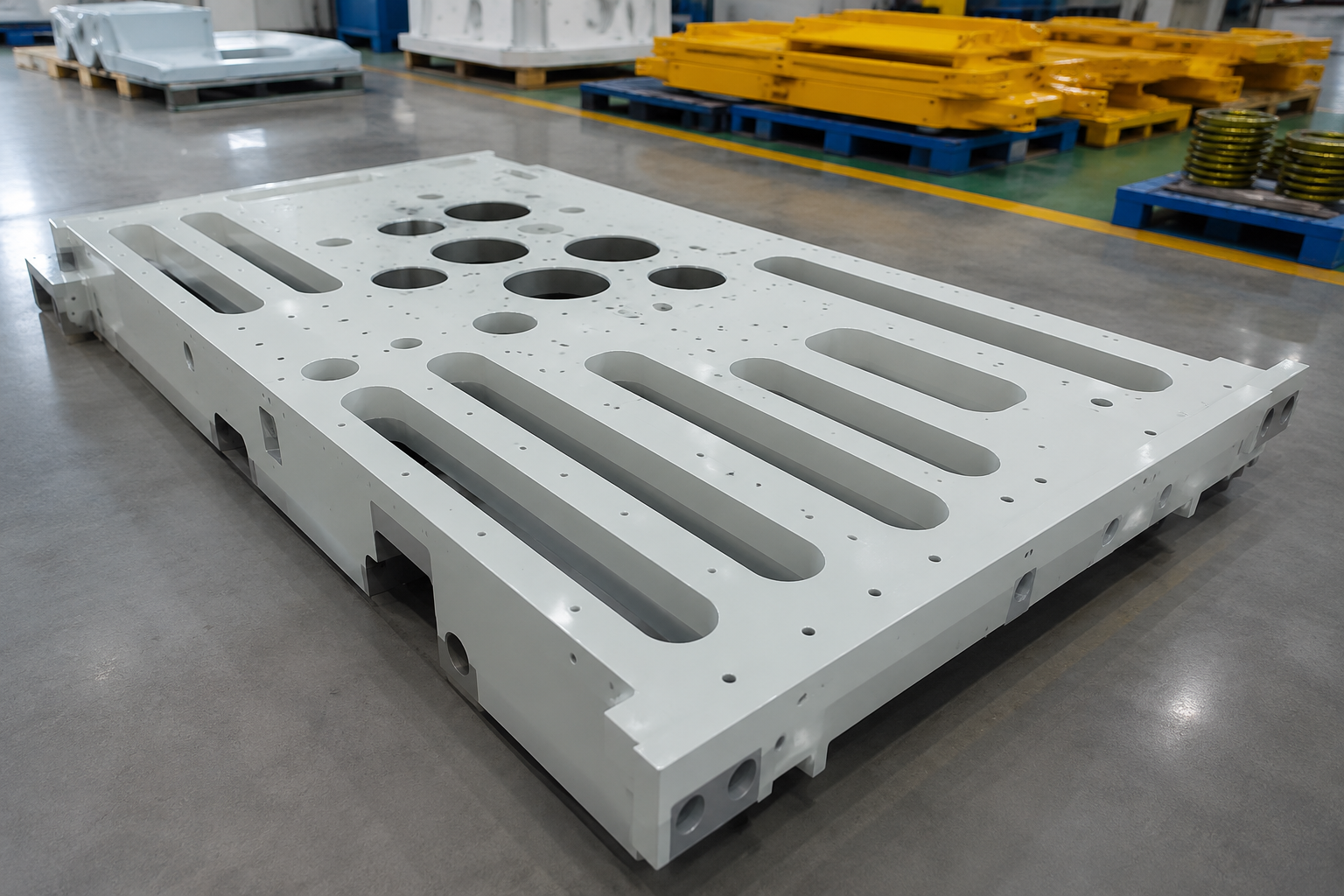
We review carbon and alloy steels, stainless steels and aluminum alloys for liquid painting. Paint-system fit is confirmed against the exact alloy or grade, initial surface condition, service environment, preparation route and the coating manufacturer’s current technical and safety data. Substrate-dependent adhesion planning also identifies whether ISO 2409:2020 is suitable for the coating thickness, texture and substrate.
Required inputs include outdoor exposure, chemicals, moisture, temperature, ultraviolet radiation, abrasion and immersion conditions.
We define project-specific surface acceptance, cleaning, abrasion or blasting, primer and masking steps around the alloy, service environment and approved paint system. Paint selection is not a substitute for surface preparation. The order review records the actual execution site, applicable jurisdiction and the party responsible for confirming local spray painting, environmental, chemical and product-use requirements.
Specifications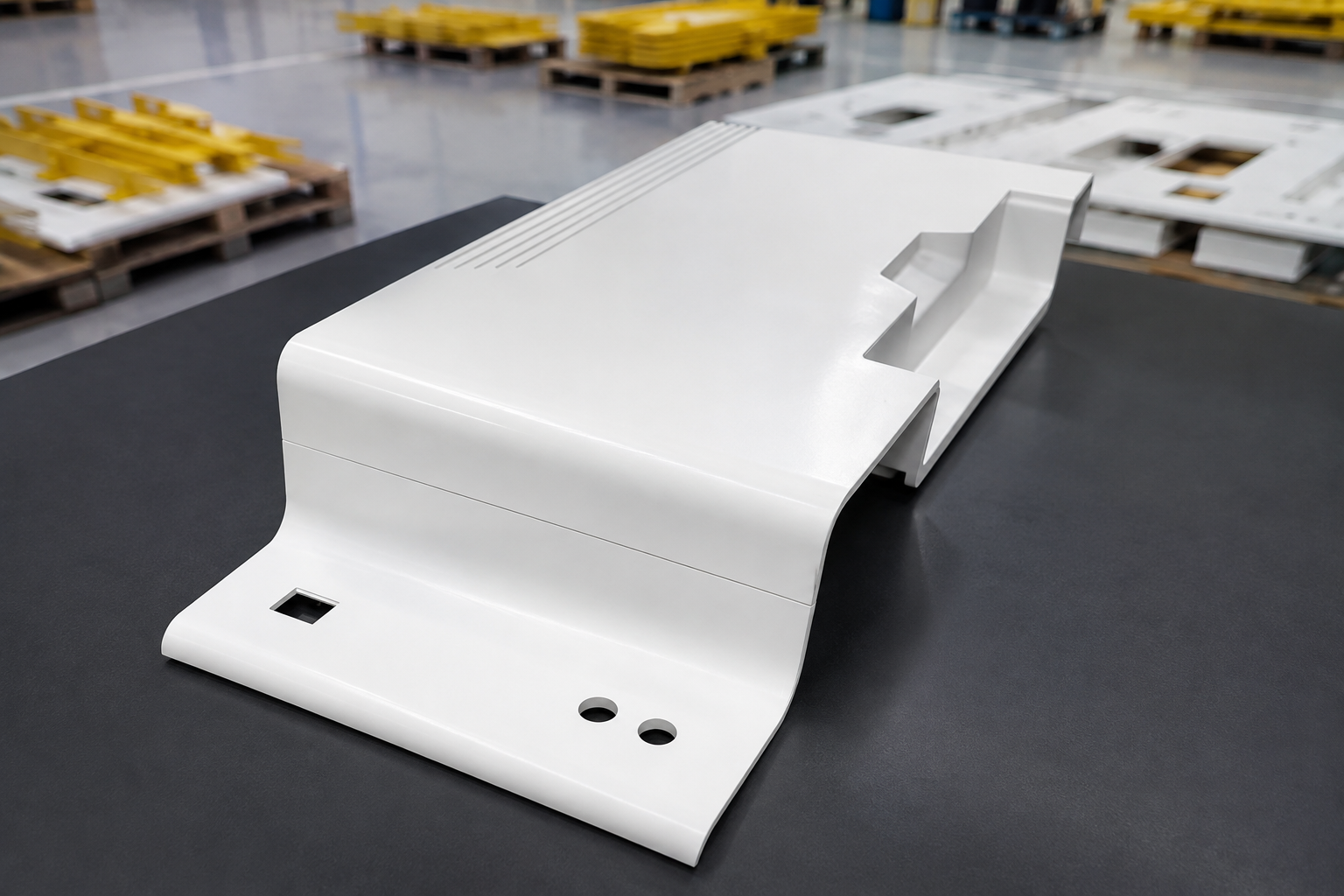
A drawing can identify color yet still omit the controls needed for a comparable quote, so use this Paint Specification & Masking Brief to make the prototype reviewable and production release measurable. Accepted review inputs include a drawing, physical sample, STEP, IGES, Parasolid, SolidWorks, DWG, DXF or PDF package. Written terms must identify who controls and verifies each coat and total dry-film-thickness limits in micrometres and mils.
Engineering release rule One drawing revision must connect the color master, layer build, masked features, measurement method, sampling locations and pass values.
A coating note can state total film thickness and still leave the acceptance procedure incomplete. Coating thickness can vary over a surface, and a single-point measurement does not always represent the coating system, as ASTM D7091-22 notes. State the instrument basis and verification, the number and location of readings, restrictions around edges or curvature, and whether individual coats can be measured or only the completed total.
Get a Paint Specification Review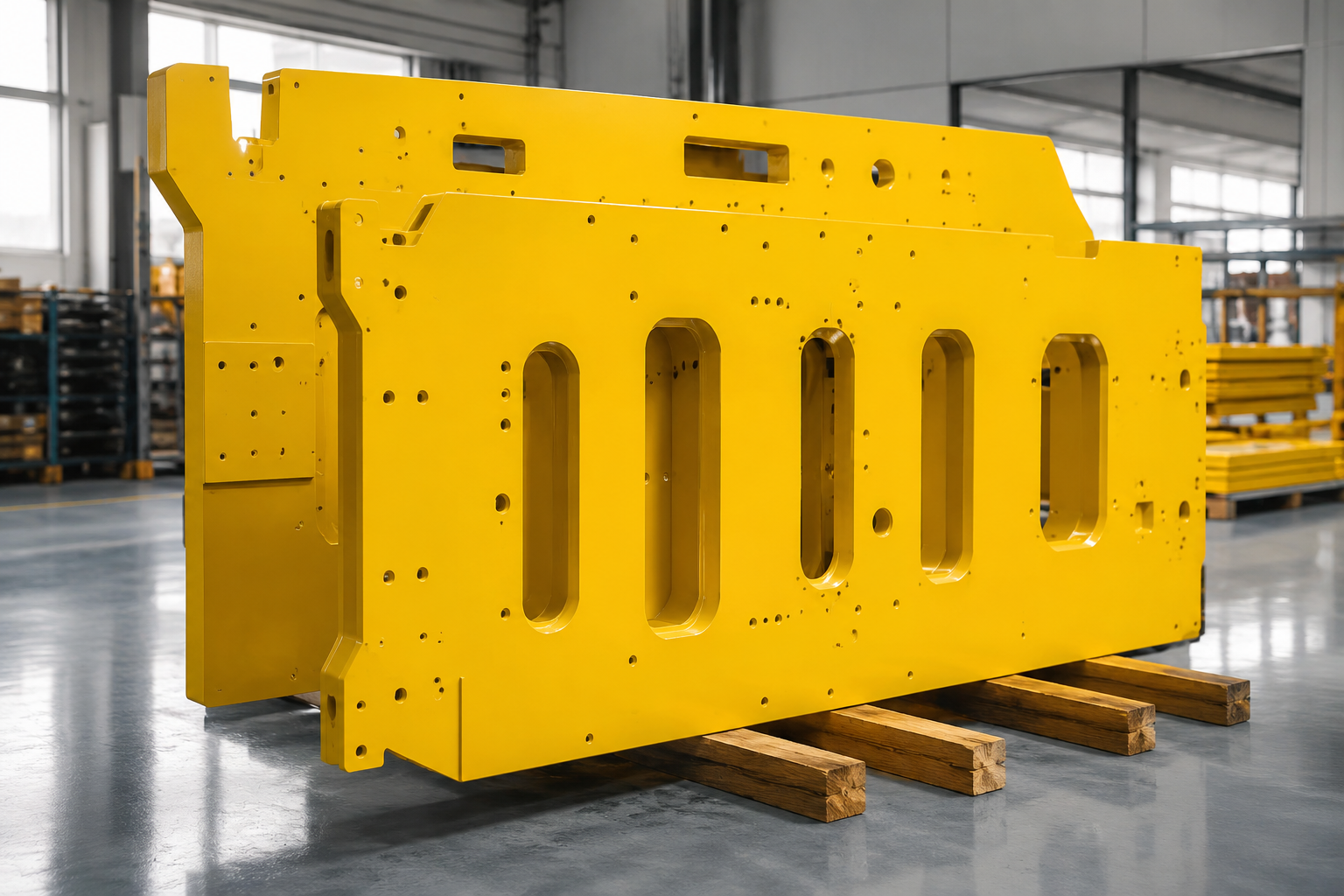
Cost follows the drawing and specification. Quotations account for part size and geometry, quantity, starting surface, preparation route, layer build, paint procurement, color changes, masking load, inspection, cure route, packaging and any expedited scheduling. A low unit-price comparison costs you visibility when preparation, approval, inspection or packaging sits outside the quoted scope.
Different starting conditions can create different labor and adhesion risk
Compare the same cleanliness, roughening, primer and maximum hold interval
Product procurement, minimum pack size and color changes can sit outside a headline price
Lock product basis, layer count, color references and number of changeovers
Threads, bores, mating faces and color breaks add manual setup and inspection
Issue the same revision-controlled masking drawing to every bidder
A finish sample or first article can pause production if the owner and response time are undefined
Name the approver, sample charge, acceptance criteria and release deadline
Film-thickness, adhesion, gloss and color checks carry different price and sampling scopes
Align method, locations, quantity, pass value and required report
Cosmetic surfaces can be damaged after acceptance
Compare protective packing, labeling, assembly interface and delivery term in writing
After usable files and paint requirements are reviewed, the written quotation confirms response timing.
After drawing, colour and masking approval, the written quotation confirms the painted-prototype schedule.
After quantity, layers, cure and masking load are reviewed, the written quotation confirms minimum quantity, single-piece availability and small-batch or repeat-production schedules.
Expedited scheduling is available when the reviewed route can support it; tell us the required date and we confirm feasibility. Payment, delivery terms, the painting party, approvals and handoff points are defined in the written quotation rather than published as a fixed rule.
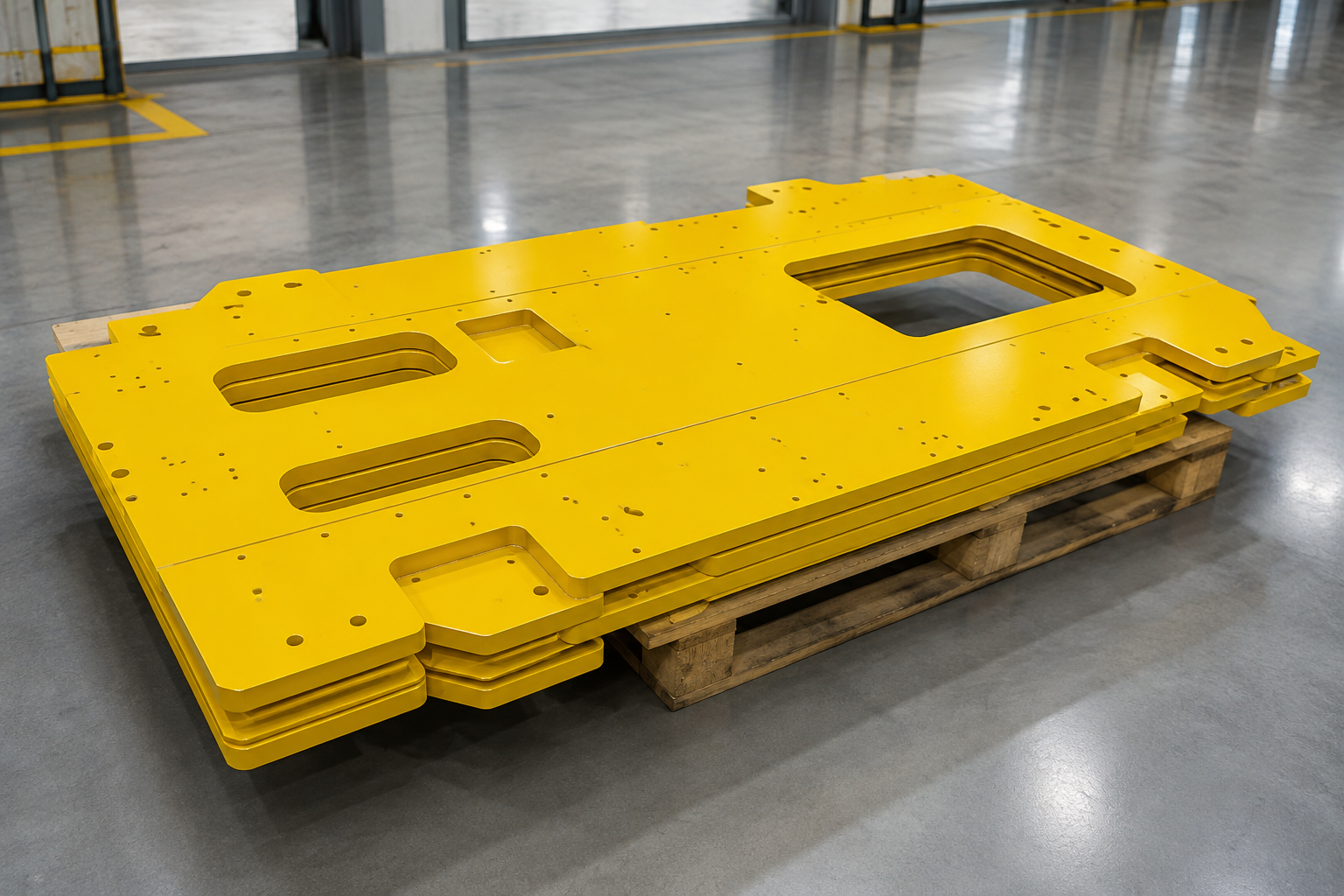
Convert the approved paint specification into release checks for the quoted route. A method name alone is not an acceptance criterion: identify coating build, texture, substrate procedure, measurement location, test edition and pass value, then confirm the processing and inspection parties and required records in writing.
Drawing revision, substrate, preparation, paint, color, gloss, thickness and masking are finalized.
The quoted approval piece is reviewed against the agreed visual and measured criteria before release.
Defined hold points govern masking, layer build, the cure route and any recorded measurements.
Incoming and final review use the same written criteria, with agreed records attached when requested.
Substrate, gage basis, verification, reading plan, locations and min/max values
Applicable coating thickness and texture, substrate procedure, location and pass classification
20°, 60° or 85° geometry, surface suitability, reading plan and acceptance range
Master, illuminant, observer, geometry, instrument, locations, formula and tolerance
Records scoped to the order When inspection records or material documents are required, the written quotation must identify their issuer, scope and delivery point. The application-specific acceptance plan sets any required colour difference, gloss range, adhesion classification, corrosion exposure or chemical-resistance result.
Define the Acceptance Plan
Drawing, model, revision, quantity and finish requirements enter one review package.
We return missing paint, color, masking, inspection or schedule questions before quotation.
The written offer assigns paint procurement, painting party, approvals, tests and handoff points.
The finish or part sample is released against the agreed color, appearance and measured checks. Film-thickness records use the order-selected method, such as ISO 2808:2019 or ASTM D7091-22.
Masking, application, cure and change control follow the approved route.
We coordinate review, records, protective packaging and delivery against the written order.
Review completeness and route fit across the quotation.
End-use environment, approved product or performance requirement.
Review the master, drawing boundary and acceptance hold point.
Approved sample/code, critical features and authorized approver.
Retain responsibility for process control and incoming inspection across the quoted painting route.
Required records, change authority and release deadline.
Record the site, applicable jurisdiction and verification owner in the order review.
Product-use or market requirements that apply to the finished part.
Coordinate disposition against the same written acceptance criteria.
Approve deviation, rework, remake or specification revision as assigned.
Written order terms must identify who performs each painting operation, reviews the specification and masking, owns process control and inspection, approves changes and releases each handoff. This page does not assign those responsibilities before quotation.
| Decision Condition | Liquid Paint Review | Alternative or Next Action |
|---|---|---|
| Specified Pantone, RAL, physical master or complex color break | Review liquid paint, sample approval and masking boundary | Compare only after the same color and approval plan is quoted |
| Drawing explicitly requires a powder system | Do not substitute a liquid system by assumption | Quote powder coating or request written engineering approval for a change |
| Aluminum needs an integral oxide finish | Paint remains a separate applied layer | Review anodizing or a combined route against alloy and appearance requirements |
| High corrosion, immersion, chemical or temperature demand without a validated system | Do not promise a category-wide performance number | Select and validate a product/system against the actual environment before release |
| Part size or cure requirement falls outside the reviewed route | Feasibility stays open until the route and execution site are confirmed | Use a qualified finishing partner or redesign the finishing sequence |
| Critical fit leaves no allowance for coating build | Use coating allowance and selective masking where feasible | Move the acceptance condition, machine after coating, or choose another finish |
We review carbon and alloy steels, stainless steels and aluminum alloys. Approval depends on the exact grade or alloy, initial surface, preparation route, selected paint data and service environment.
Yes. We review all 3 options, then confirm the product, layer build, cure condition and acceptance plan in the quotation rather than ranking one family as universally best.
Yes. Send the Pantone or RAL reference or an approved physical master, plus gloss or texture. Instrumental color acceptance also needs illuminant, observer, measurement geometry, reading plan and tolerance under the agreed method.
Yes, when the approved drawing identifies every paint-free thread, bore, datum, mating face, grounding point and color-break boundary. It must also state whether the affected dimension is accepted before or after coating.
Send substrate and surface state, environment, paint product or system, technical and safety data, each-coat and total DFT min/max, color master, gloss/texture, masking, test and sampling plan, packaging and required date.
State minimum and maximum thickness for each coat and total build in µm and mil. Add the method, gage basis, locations, reading count, edge or curvature rule, and drawing allowance for every coated or masked critical feature.
Orders can invoke ISO 2808:2019 or ASTM D7091-22 for thickness, ISO 2409:2020 or ASTM D3359-23 for cross-cut/tape adhesion, ISO 2813:2014 for gloss and ISO/CIE 11664-4:2019 for CIELAB calculations. The order still defines applicability, sampling and the pass value.
Minimum quantity, single-piece availability, sample charges, approval criteria and any credit treatment are stated in the written quotation.
After usable files, paint requirements, drawing, colour and masking are reviewed, the written quotation confirms response timing and the painted-prototype schedule.
Yes. First-article or color/finish approval samples are available, with charge and acceptance criteria defined in the quote. NDA terms may be reviewed before protected files are exchanged.
Review liquid paint when the drawing specifies a liquid system, controlled color or appearance, selective masking or a product-specific coating route. Review powder or another finish when the drawing, cure constraints, coating build or service requirement points elsewhere; compare them on the same preparation, inspection and packaging scope.
An incomplete RFQ creates a release gap between the quoted finish and the finish you intend to approve. Attach the current revision, quantity, material, service environment, paint system, color master, gloss or texture, DFT minimum/maximum, masking drawing, acceptance methods and required date; if the order invokes ISO 2409:2020, ASTM D7091-22 or another test method, include the sampling locations and pass values as well. Accepted file formats include drawings, physical samples, STEP, IGES, Parasolid, SolidWorks, DWG, DXF and PDF.
Request a Painting QuoteAfter the usable file package and paint requirements are reviewed, the written quotation confirms response timing. If a non-disclosure agreement is executed, it governs the information covered by that agreement.
Receive a list of missing product, film-build, test or release inputs before the route is quoted.
Receive the drawing and master-sample questions needed to confirm boundaries and approval steps.