Get in touch with Zhenling Company

Aluminum CNC Machining Services
Engineer-Reviewed Quote in 24–48 Business Hours
Zhenling machines custom aluminum prototypes and production parts from your drawing. We review the alloy, temper, geometry, tolerance, finish, inspection scope and delivery target before we price the work. Aluminum CNC Machining enquiries should include alloy, temper, drawing completeness, geometry, measurement method and requested delivery window. Confirm the order-specific route and measurement boundary in writing. Keep unresolved record or schedule assumptions visible.
Send a STEP, IGES or Parasolid model with the current PDF, DWG or DXF drawing. For a complete RFQ, Zhenling’s standard response target is 24–48 business hours. The written quotation confirms applicability, route, inclusions, open questions and the order-specific schedule.
PER RFQ
Standard response target after complete RFQ
7–15 days
7–15 working-day prototype baseline after drawing approval
ISO 2768-m
Only where no individual tolerance is shown and the quotation expressly applies it
3D + 2D
STEP, IGES, X_T, PDF, DWG and DXF
From Drawing Review to Inspection-Ready Aluminum Parts
A useful quotation connects the drawing to the manufacturing route. We review functional faces, datum relationships, tool access, workholding, finishing and inspection before confirming price and schedule.
What you receive: a quotation tied to the current drawing revision, a list of included operations, confirmed lead time, requested inspection records and any question that must be resolved before production.
Mark sealing faces, bearing fits, mating patterns, threads, cosmetic faces and any feature that can stop assembly. We use those priorities to plan setups and choose a practical measurement method.
Feature-to-Process RFQ Map
Question to resolve
How will clamping and stock removal manage movement?
Evidence to request
Setup plan and order-specific inspection point
Question to resolve
Is there adequate access, rigidity, and chip clearance?
Evidence to request
Tool-access review and reachable inspection method
Question to resolve
Which setup preserves the functional relationship?
Evidence to request
Datum interpretation and measurement sequence
Question to resolve
What process sequence fits size, depth, and position?
Evidence to request
Process note and named measurement method
Question to resolve
Which surface has priority if handling or fixturing is constrained?
Evidence to request
Marked drawing and agreed acceptance criteria
Aluminum Machining Capabilities and Real Part Photos
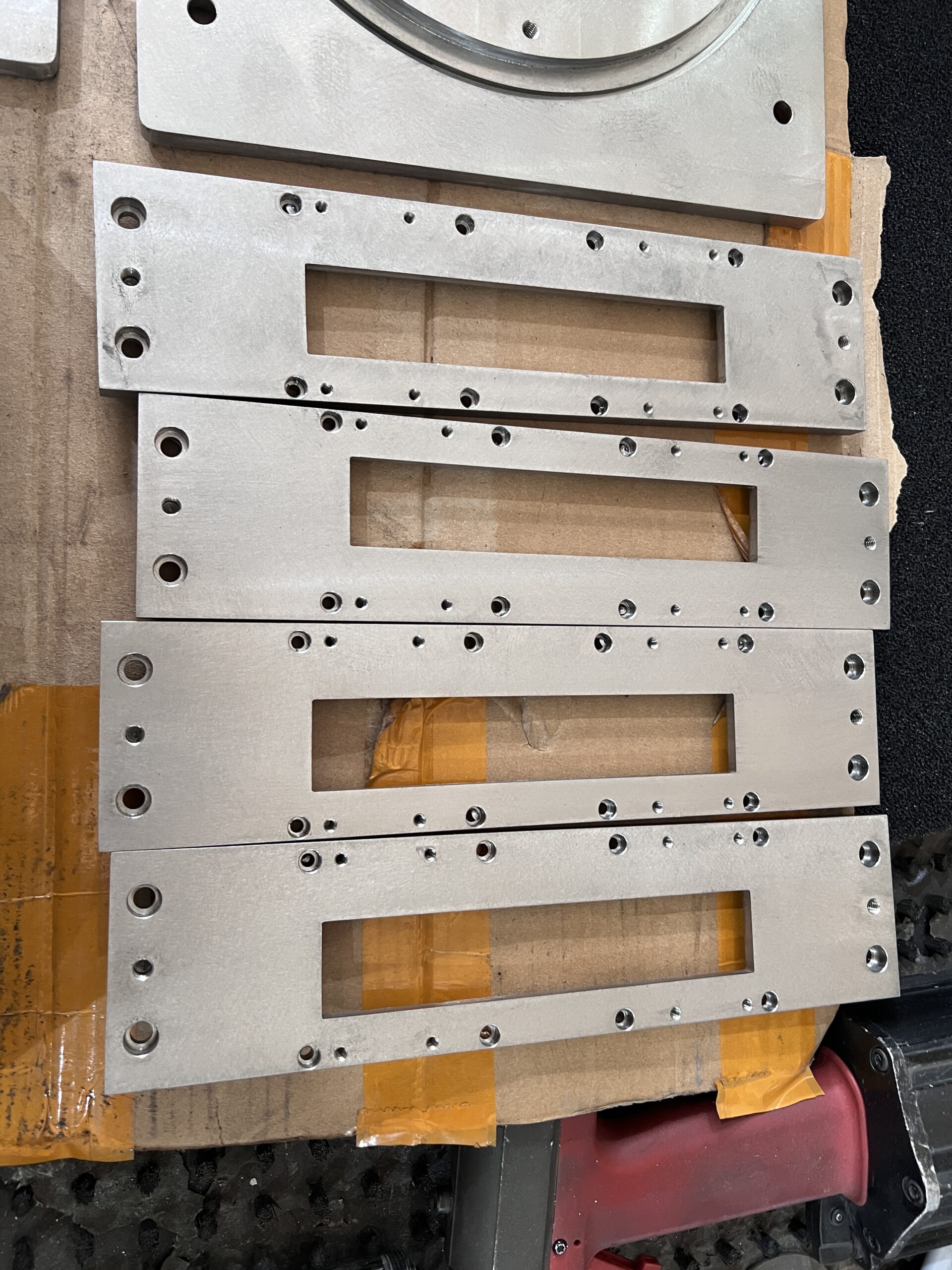
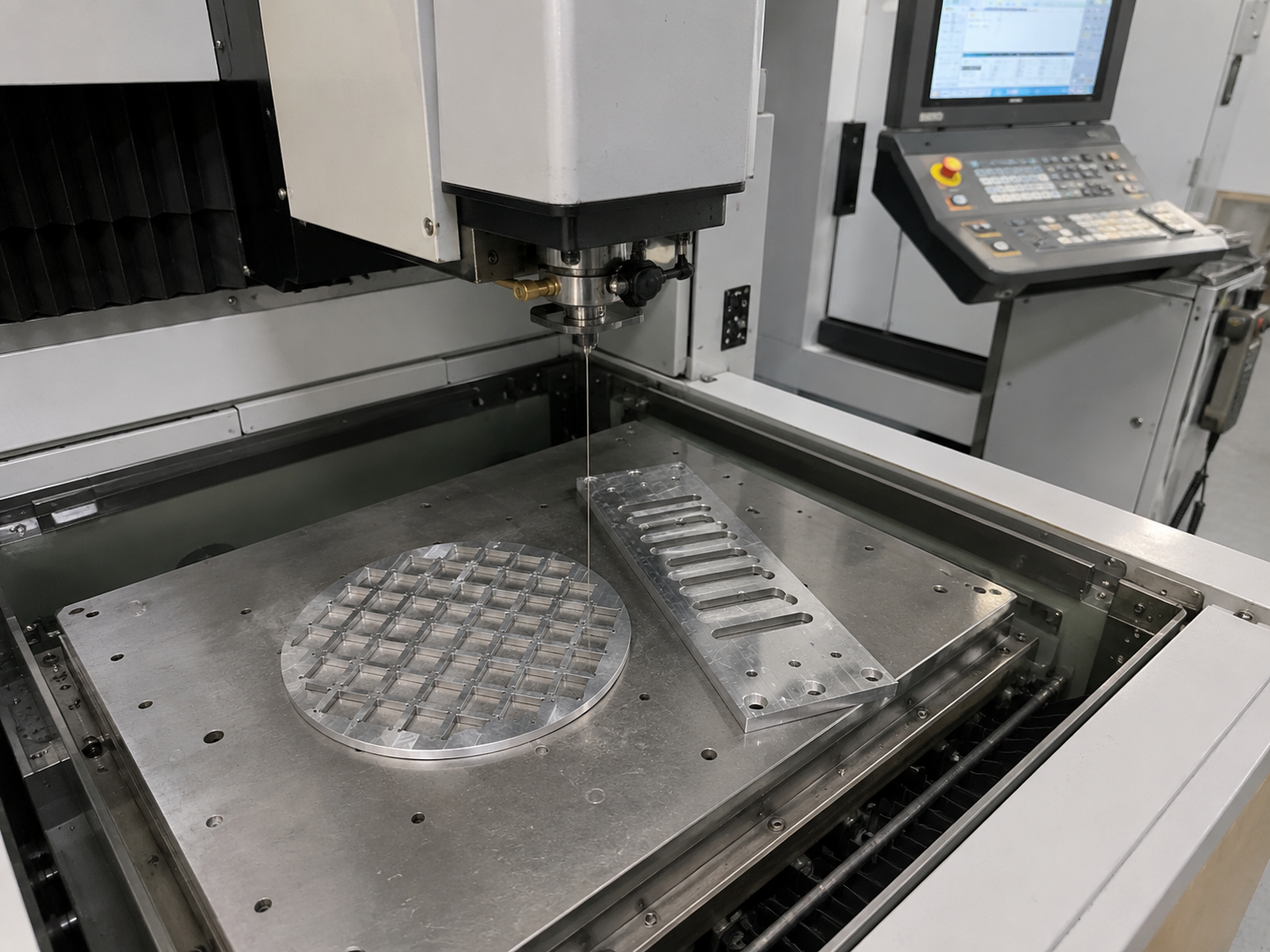
We combine 3-axis, 4-axis and 5-axis CNC milling with CNC turning, drilling, boring, grinding and wire electrical discharge machining. The route is selected from the part geometry, datum plan, tolerance, quantity and finishing requirements.
Process coverage
Milling covers prismatic parts, pockets, hole patterns and multi-face features. Turning covers circular geometry. Wire electrical discharge machining and grinding are added when the drawing requires a feature or finish that is not practical in the primary setup.
Send the model and drawing together. We will identify the primary machining route, secondary operations, finishing responsibility and inspection scope in the quotation.
01
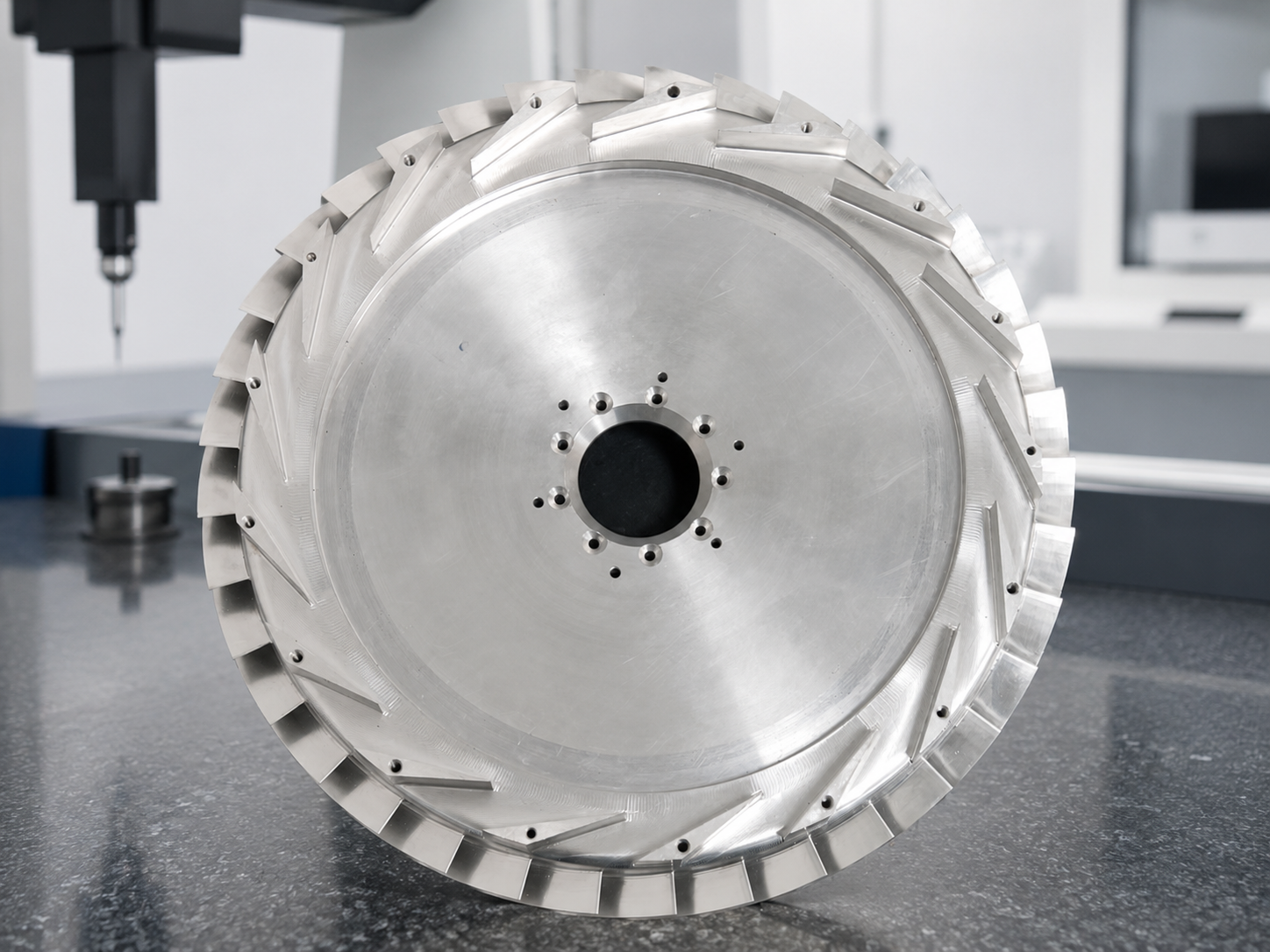
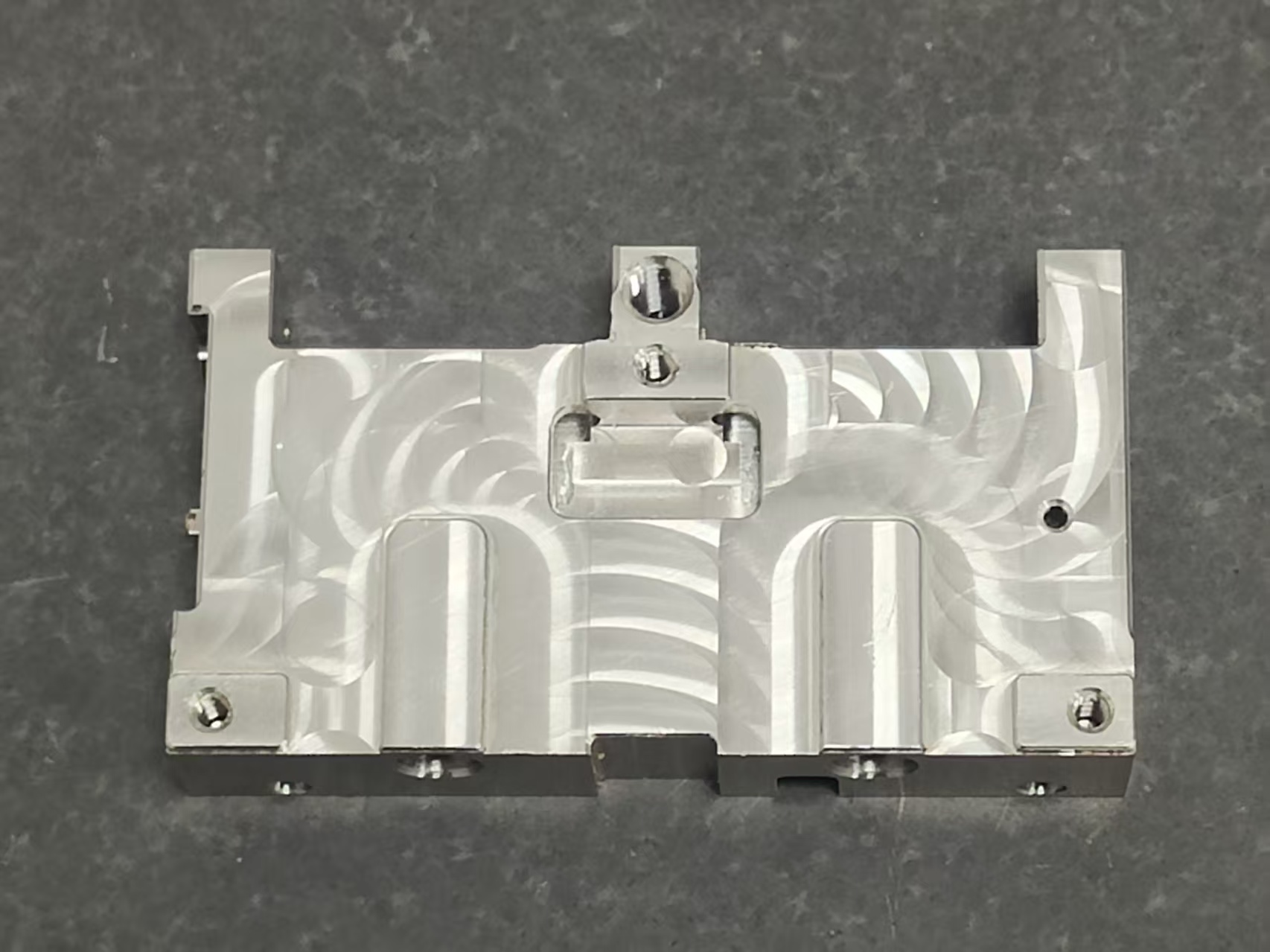
CNC milling and multi-axis access
Prismatic parts, pockets, hole patterns, angled features and multi-face relationships are routed through 3-axis, 4-axis or 5-axis milling. We use multi-axis access when it reduces setups or keeps related features in one coordinate system.
OPTIMIZATION
REDUCED SETUP
EQUIPMENT
5-AXIS CNC
02
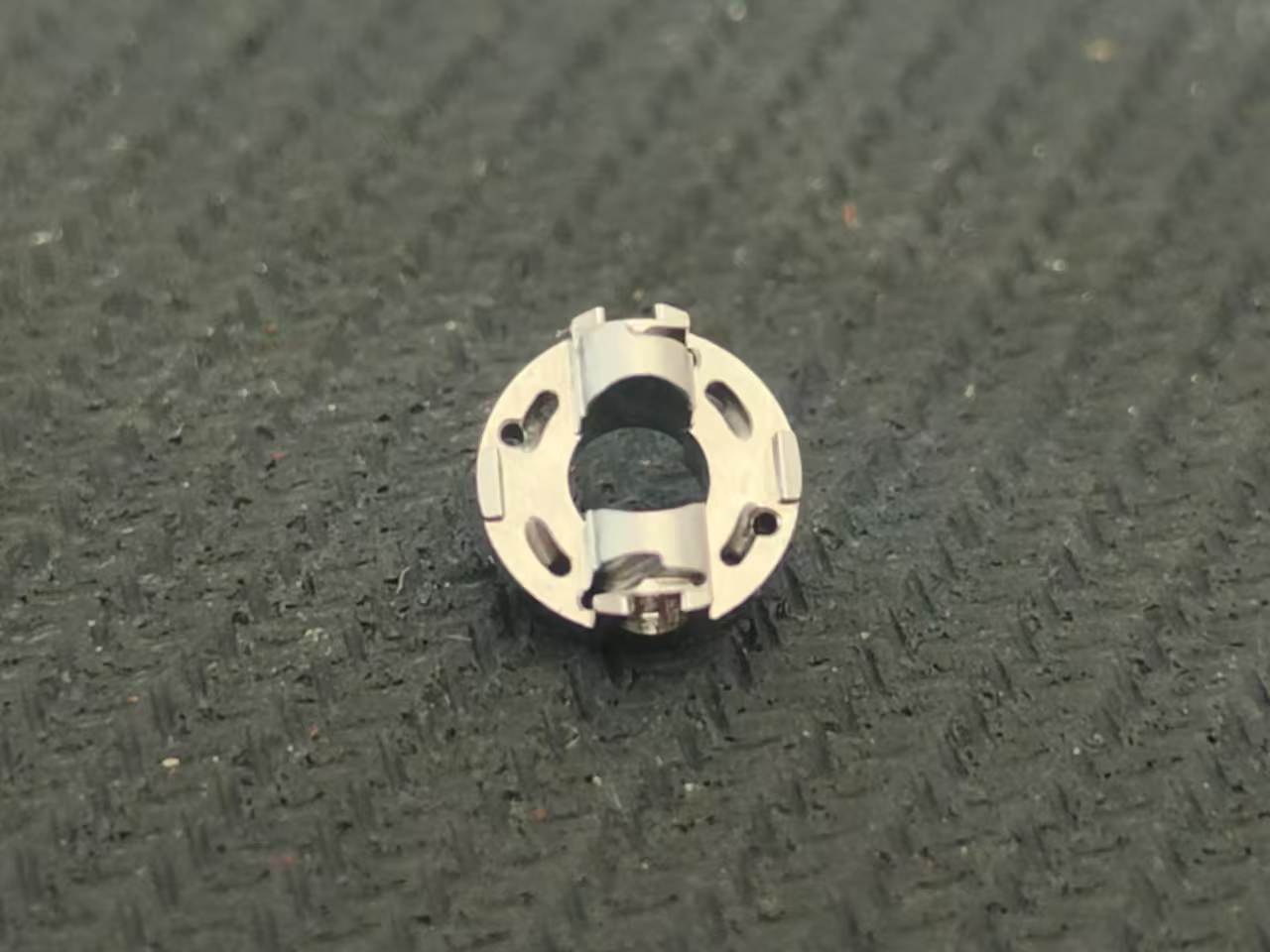
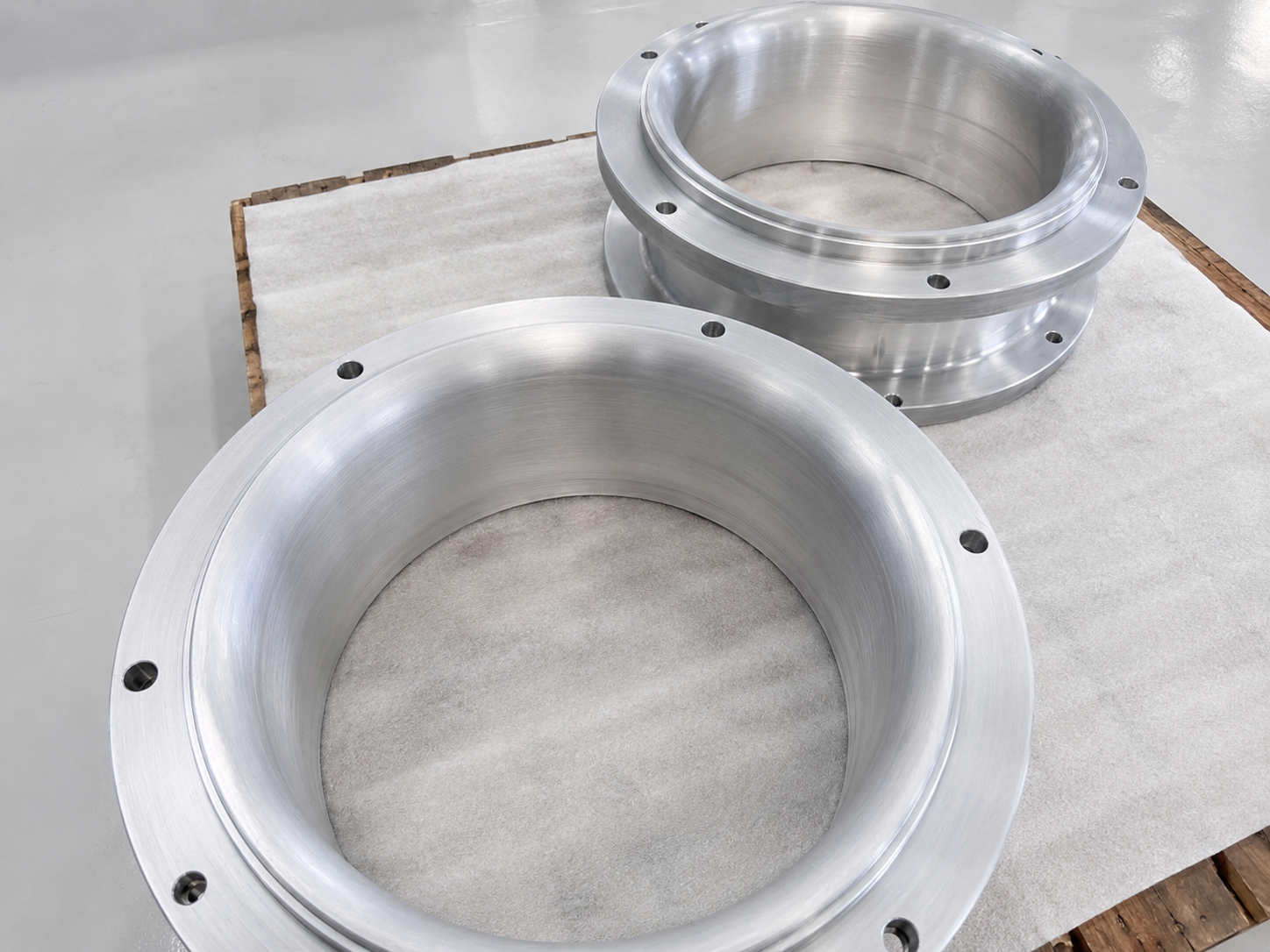
CNC turning and circular geometry
Rotational parts use CNC turning alone or a turn-and-mill route. The quotation identifies cross-holes, milled flats, slots and datum relationships that need a secondary setup.
PROCESS
TURN-MILL ROUTE
REQUIREMENT
DATUM CALLOUT
03
Wire EDM, grinding and secondary operations
Wire electrical discharge machining supports narrow profiles and through-features that are difficult to reach conventionally. Grinding, drilling and boring are added when the drawing calls for their geometry or surface condition.
APPLICATION
COMPLEX GEOMETRY
STATUS
DRAWING SPECIFIC
04
Managed surface finishing
Zhenling provides or coordinates standard anodizing, plating, passivation and powder-coating services. The written quotation identifies the proposed processing responsibility, masking, cosmetic controls, records and final-release scope; this does not assert a named processor’s certification or legal qualification.
FINISHING ROUTE
PROCESSING RESPONSIBILITY — CONFIRMED IN QUOTATION
FINAL CONTROL
FINAL-RELEASE RESPONSIBILITY — CONFIRMED IN QUOTATION
05
Match the process to the drawing
Include the model, drawing, quantity, exact alloy and temper, finishing notes and critical characteristics. We will return a route and quotation based on the actual part rather than a generic machine list.
INPUT NEEDED
MODEL & DRAWING
OUTPUT
SERVICE QUOTATION
Aluminum Grades and Finishes We Quote
We quote 6061, 7075, 5052 and 2024 aluminum from the exact alloy, temper and product form on the drawing. Add the governing specification, substitution rule and certificate requirement.
MATERIAL CALLOUT
ISO 209:2024 defines chemical-composition limits for wrought aluminum products and ingots intended to be wrought.
01 Five fields we confirm
01
Alloy
Exact registered designation.
02
Temper
Required condition.
03
Product form
Plate, bar or extrusion.
04
Specification
Drawing or purchase standard.
05
Traceability
Certificate and lot scope.
02 Common aluminum grades
GRADE
BUYER PRIORITY
INCLUDE IN THE RFQ
6061
General machined components
Temper, form, finish and certificate
7075
High-strength functional parts
Temper, protection and critical datums
5052
Form- and corrosion-sensitive parts
Temper, form and machined features
2024
Strength- and fatigue-sensitive parts
Temper, protection and lot records
03 Managed surface finishing
Zhenling provides or coordinates standard finishing services; processing responsibility, records and final-release scope are confirmed in the quotation without asserting a named processor’s credentials.
Anodizing
Specify type, color, masking and thickness controls.
Powder coating
Specify coating system, color, texture and protected faces.
Electroplating
Specify deposited metal, purpose, thickness and masking.
As-machined
Mark roughness, edge and cosmetic requirements.
Finish records
Add certificate and final-inspection requirements.
MATERIAL DECISION
Functional loading, environment, finishing and product form should drive alloy selection.
Need a material and finish review?
Send the drawing and purchasing specification for confirmation in the quotation.
Review the Material CalloutCNC Machining vs Aluminum Die Casting
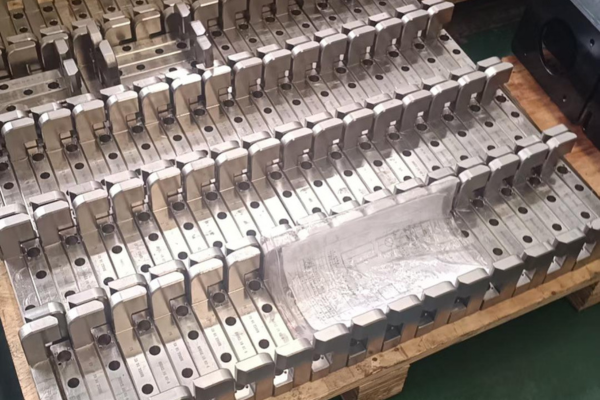
CNC machining is usually the faster route for prototypes, low quantities and designs that may change. Die casting becomes worth studying when the design is stable and repeat volume can justify tooling, process development and qualification.
Quantity alone does not decide the route. Compare geometry, alloy form, critical features, secondary machining, inspection and the cost of future revisions.
CASTING REFERENCEISO 8062-3:2023 covers dimensional and geometrical tolerances and machining allowances for castings.
DESIGN
Choose CNC when revisions remain likely
Programming and fixtures can be updated without replacing a dedicated casting tool.
GEOMETRY
Count the features that still need machining
A casting may still need machined datums, bores, sealing faces, threads and inspection fixtures.
VOLUME
Study casting for stable repeat demand
Compare tooling, development, qualification, scrap, inventory and forecast confidence.
MATERIAL
Confirm the alloy route with engineering
Wrought and casting alloys are not interchangeable purchasing callouts.
Quote Variance Analysis
What Changes Cost, Lead Time, and Quote Accuracy
Price and schedule change when suppliers are not quoting the same material, geometry, finishing, inspection and delivery scope.
The quotation explicitly states drawing revisions, material and quantity, processes included, inspection evidence and scope, any required finish and confirmed production schedule.
General dimensions default to ISO 2768-m when the drawing does not state an individual tolerance. Tighter dimensions, geometrical controls and critical fits are reviewed feature by feature.
Upload the current files for engineering review. Written terms confirm response timing, drawing-approval start point and the order-specific prototype schedule.
Quoting, Tolerance and Lead-Time Baseline
| Order input or milestone | Zhenling baseline | What confirms the final scope |
|---|---|---|
| Quotation response | 24–48 business hours for a complete RFQ | Model, drawing, quantity, material, finish and destination |
| Prototype lead time | 7–15 working days after drawing approval | Final schedule confirmed in quotation |
| Small-batch lead time | 10–20 working days after drawing approval | Quantity, setups, finishing and inspection; final schedule in quotation |
| Production lead time | 15–30 working days after drawing approval | Quantity, route and inspection scope; final schedule in quotation |
| General tolerance | ISO 2768-m | Only where no individual tolerance is shown and the quotation expressly applies it |
| 3D file formats | 3 formats | STEP, IGES and Parasolid X_T |
| 2D file formats | 3 formats | PDF, DWG and DXF |
| CNC machining access | 3-, 4- and 5-axis | Selected from geometry and setup plan |
7-Input Aluminum Quote Variance Map
01
Controlled files
Current drawing revision, three-dimensional model, units, and conflict rule if the files disagree.
02
Material
Exact alloy, temper, product form, specification, allowed substitutions, and certificate scope.
03
Quantity pattern
Prototype, release quantity, expected repeats, and whether revisions are still likely.
04
Critical geometry
Datum relationships, thin walls, deep cavities, small holes, threads, edge conditions, and protected faces.
05
Surface requirements
Required roughness or appearance, masking, finishing specification, color controls, and approved processor expectations.
06
Inspection evidence
Critical characteristics, method, sampling, report format, first-article needs, and record retention.
07
Delivery package
Incoterm, destination, packaging, labels, certificates, invoice details, origin data, and required delivery date.
Variance Analysis Manual
Normalize before selecting
Break the quote into the seven inputs, then compare what’s included, excluded, assumed, and waiting for buyer confirmation.
Ask each supplier to list exclusions, open assumptions, sub-tier processes, and buyer-supplied information. An expensive quote is difficult to judge when material, inspection, and finishing are bundled differently.
Cost rises through mechanisms, not labels
Thin walls may change workholding and stock-removal sequencing, while deep cavities can change tool reach and chip control.
Tight relationships across multiple faces can add setups or demand a more deliberate datum transfer. Inspection, finishing, masking, material certificates, packaging, and outsourced special processes can also change the package, so none supports a universal price without the drawing.
Lead time starts with unanswered questions
A promised schedule is fragile when material availability, revision approval, finishing scope, inspection reporting, or import documents remain open.
Close those fields early and identify which date begins after approval. Zhenling should confirm order-specific lead time in the quotation rather than relying on a generic turnaround promise.
Lowest-feed and tightest-tolerance myths
Lower feed is not always a safer machining choice, and a tighter tolerance is not necessarily better for function.
Both can create heat, rubbing, extra inspection or avoidable cost when they are not tied to a real requirement.
Use the same seven inputs for every supplier
That turns custom aluminum machining price discussion into a comparable scope review.
Ask Zhenling to return open assumptions with the quotation.
Inspection and Order Documentation
Inspection starts with the drawing. Mark the critical dimensions and geometrical relationships, identify the datum reference frame, and state the sampling and report format required for acceptance.
MEASUREMENT REFERENCE
NIST’s metrological traceability policy explains why a measurement result needs a documented calibration chain and suitable uncertainty for the intended decision.
The quotation can include a dimensional report, first-article package, material certificate and finishing certificate when requested. State those records before production so they are priced and scheduled with the part.
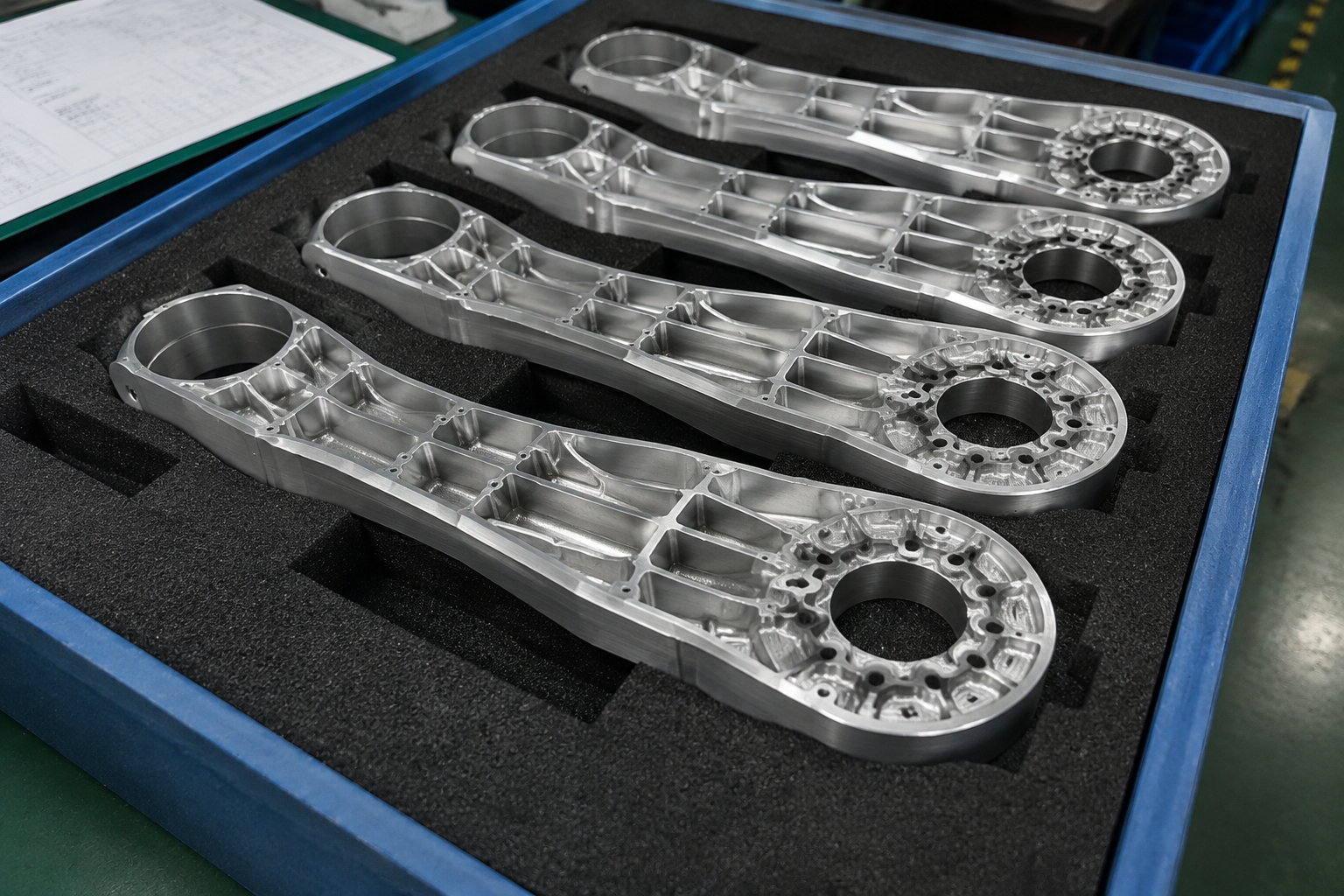
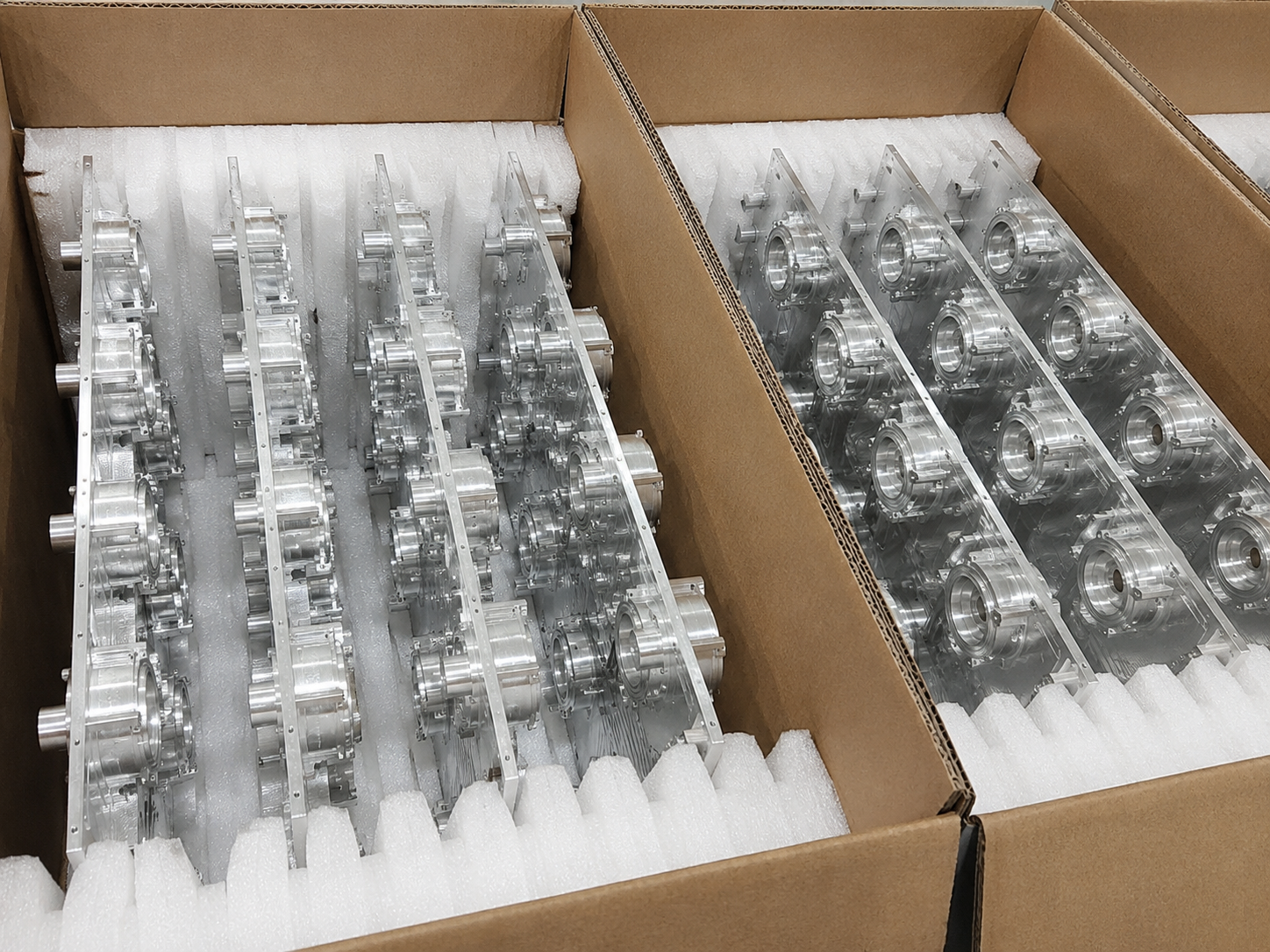
CNC MACHINED aluminum arms nestled in their prototype case; a tray and foam liner protection the parts.
Inspection methods, size samples and reporting content will come directly from customer purchase requirements and drawing definitions.
1. Name the characteristic
Mark the dimensions and geometric relationships that affect fit or approval. Do not assume every drawing dimension needs the same method or reporting depth.
2. Name the method
Ask how the characteristic will be established from the datum reference frame and which measurement equipment is appropriate. The method should fit the feature, access, and uncertainty needed for the decision.
3. Name the record
Define whether the order needs a dimensional report, first-article package, material certificate, finishing certificate or another record. State the sampling and retention requirement.
Order documentation checklist
Add every required record to the RFQ and purchase order. The quotation should confirm who supplies each document, the required format and the point at which the buyer approves it.
REQUIRED INPUT
Critical characteristics, datum interpretation, sampling and report format
DELIVERABLE
Order-specific dimensional results for the agreed characteristics
REQUIRED INPUT
Alloy, temper, product form, governing specification and traceability scope
DELIVERABLE
Material document linked to the purchased stock or lot
REQUIRED INPUT
Finish specification, masking, color, thickness and certificate scope
DELIVERABLE
Finishing record for the managed secondary operation when requested
REQUIRED INPUT
Template, characteristic list, approval route and submission date
DELIVERABLE
Agreed first-article package before the production release
REQUIRED INPUT
Part number, revision, quantity per pack, protection and label format
DELIVERABLE
Parts protected and identified for receipt and line-side handling
REQUIRED INPUT
Incoterm, destination, invoice details, packing-list fields and required date
DELIVERABLE
Shipment documents matching the quoted delivery terms
ORDER NOTE: import classification, duty treatment and customs entry remain the responsibility of the importer and its licensed customs broker. Confirm current rules for the specific shipment.
How to Qualify an Aluminum CNC Machining Supplier
Compare every supplier on six checks: legal identity, drawing control, material control, process fit, inspection and delivery. Send the same request with each RFQ so price and scope remain comparable.
Confirm the legal entity, factory address, quotation owner and purchase-order recipient.
Record the model and drawing revision, conflict rule and approval route for later changes.
Confirm the alloy, temper, allowed substitutions, certificates and outsourced finishing responsibility.
Ask for the proposed route, difficult-feature review, setup assumptions and confirmed schedule.
Agree on critical characteristics, measurement method, sampling, reports and disposition authority.
Confirm Incoterm, packing, labels, shipment records, delay owner and escalation dates.
ENGINEERING
Checks material, access, datums and process route.
QUALITY
Checks methods, sampling, records and nonconformance control.
PROCUREMENT
Checks inclusions, delivery documents and escalation.
![Shop-Floor Carbon Steel CNC Machining Guide [2026]](https://zhenlingmetal.com/wp-content/uploads/2026/08/carbon-steel-cnc-machining-handbook-r2-featured-150x150.png)