Get in touch with Zhenling Company

Made-to-drawing metal components
Bead Blasting Services for Custom Metal Parts
- Drawing- or sample-based orders
- Finish zones reviewed before quotation
- Critical surfaces written into scope
- Machining and finish requirements reviewed together
Zhenling supplies bead blasting services for custom metal components made from customer drawings or samples. Send the material, quantity, marked finish zones, protected features and target appearance; we turn them into a written quotation scope instead of treating “matte finish” as a complete specification. Bead Blasting Services enquiries should include material, blast media, appearance or roughness target, masking, follow-on finish and acceptance sample. Confirm the order-specific route and measurement boundary in writing. Keep unresolved record or schedule assumptions visible.
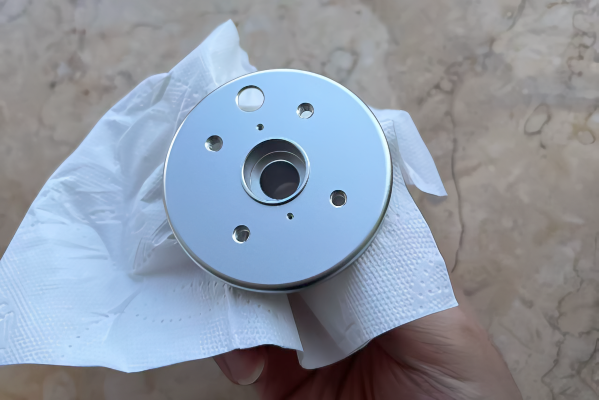
Parts We Review and Bead Blasting Scope
Review bead blasting for the submitted component rather than as a generic technique. The RFQ should identify purpose, protected areas, exclusions, applicable standard, incoming condition and required documents.
Open the Bead-Blast Variance Source Lens
Milled and prismatic components
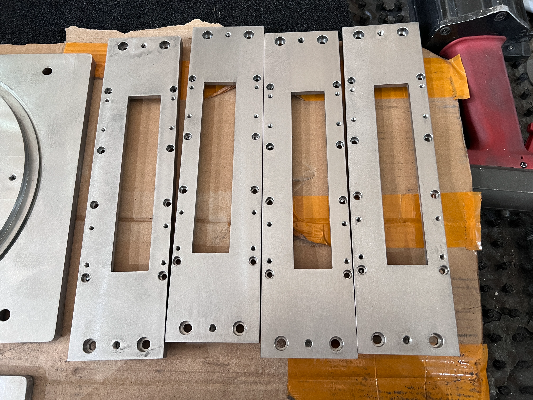
Plates, housings, brackets, pockets, bosses and machined faces are reviewed for visible transitions, recessed areas, datums and post-blast fit checks.
Turned and rotational components
Shafts, sleeves, flanges, grooves, bores and shoulders are reviewed around sealing faces, bearing fits, threads and concentric interfaces.
Fabricated and welded components
Weld discoloration, oxide, blended zones and mixed surface conditions are separated from the cosmetic finish target before the blasting process is released.
What the quotation should lock
- Drawing revision, alloy and material condition.
- Full, partial or locally blended bead blast coverage.
- Cosmetic faces, transition zones and protected features.
- Approved sample, photograph or written finish reference.
- Cleaning, inspection, downstream treatment and packing.
SPECIFICATIONS
Material and Part-Family Review
The company’s custom machining scope covers carbon, alloy and bearing steels; stainless grades 303, 304, 304L, 316, 316L and 321; and C276, 904L, nickel-based alloys and aluminum alloys. These material groups are not interchangeable in a bead blasting material review, so the RFQ pairs material identity with the incoming surface and the result required after blasting. For stainless orders, appearance and cleanliness remain separate acceptance questions.
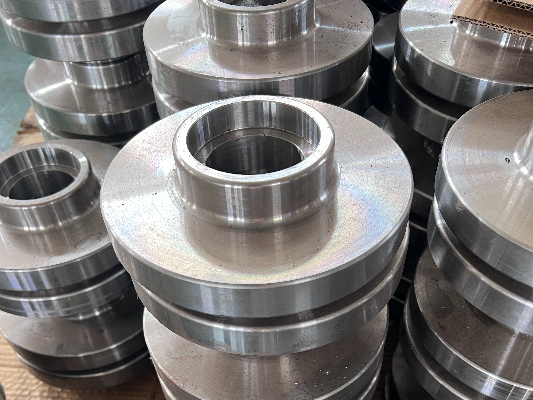
Carbon, alloy and bearing steels
- State alloy and heat-treatment condition.
- Identify rust, oxide, scale, weld or machining marks.
- Separate cleaning intent from cosmetic finish intent.
- Specify coating or corrosion-protection work that follows.
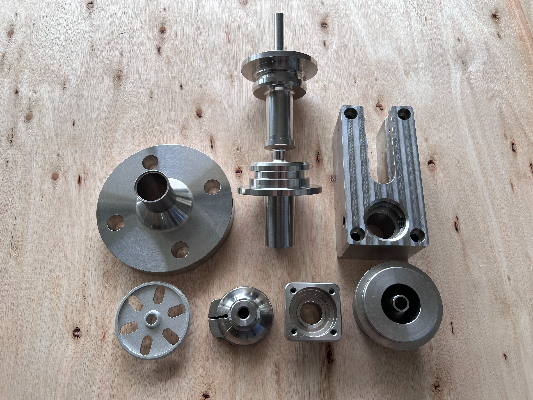
Stainless steel
- Name 303, 304, 304L, 316, 316L, 321 or the drawing grade.
- Identify cosmetic, sanitary and corrosion-sensitive faces.
- Define free-iron, retained-media or residue concerns separately.
- State whether cleaning or passivation follows the bead blast process.
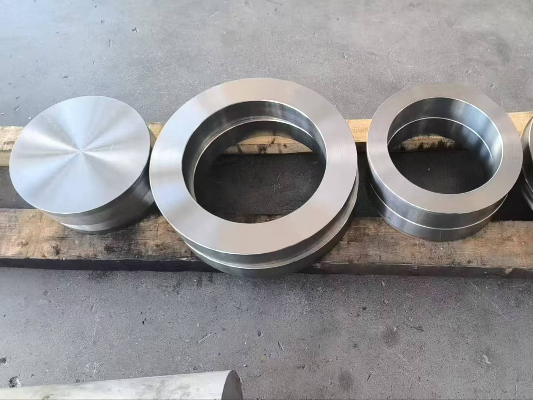
C276, 904L and nickel-based alloys
- Keep alloy identity with the drawing revision.
- Mark critical surfaces and contamination restrictions.
- Define the final cleanliness and packing requirement.
- Require quotation review before changing blast media or route.
Aluminum and aluminium alloys
- State alloy, temper and incoming condition.
- Identify thin walls, sharp edges and cosmetic transitions.
- Define the matte finish or satin finish by reference.
- State whether anodizing, coating or another finishing technique follows.
Bead Blast Finishing Routes by Order Intent
Bead blasting can serve different functions, so media and inspection criteria are not interchangeable. A process name cannot define the finished result; the written quotation should state the required cleaning action, appearance, surface condition and acceptance method.5
| Order intent | What to send | Quotation decision |
|---|---|---|
| Uniform matte finish | Marked cosmetic faces and an identified visual reference. | Coverage, transition zones, observation conditions and acceptable variation. |
| Satin-like finish | Reference sample or controlled image plus alloy and incoming texture. | Target appearance, blast media family and reference hierarchy. |
| Machining-mark blending | Drawing zones and the marks that must remain hidden or acceptable. | Whether bead blasting alone can produce the requested uniform finish. |
| Surface preparation | Downstream coating, cleaning and adhesion requirements. | Process sequence, cleanliness handoff and responsibility between operations. |
| Oxide, stain or light-rust cleanup | Photographs of the incoming condition and required final state. | Whether abrasive blasting is suitable or a different removal route is required. |
| Selective local finish | Zone drawing, masking boundary and adjacent critical features. | Masking method, transition visibility and post-process checks. |
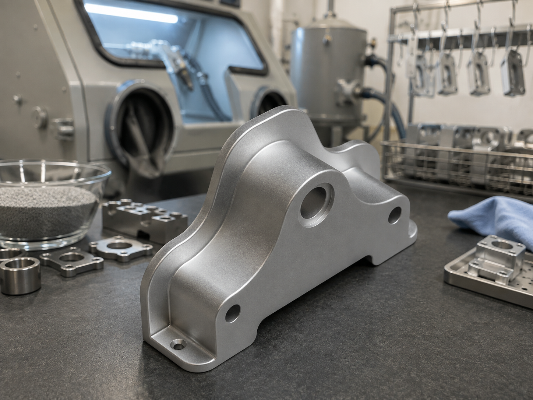
Glass bead is a route choice, not a complete callout
Glass beads may support a smoother visual result than angular abrasive media, while sand blasting, grit routes or steel shot can create different cutting or impact behavior. Glass bead blasting services still need a smooth finish target, a separate peening or cleaning requirement, the part material and the downstream operation written into scope.
Drawing and Finish-Acceptance Specification
Separate appearance, surface texture, cleanliness and protection of critical features in the specification. When those requirements are combined, processing and inspection may evaluate different outcomes. The written quotation must identify the responsible processing and inspection parties and the buyer-approved acceptance values.
| RFQ input | Example supplied by buyer | What the quotation must define |
|---|---|---|
| Drawing revision | Example Rev 03 | Use one released revision across model, drawing and finish markup. |
| Finish-zone identity | Example F1 full face; F2 local blend | Mark every treated face and transition boundary. |
| Protected thread | Example M6 × 1, plug before blasting | State exclusion, masking and post-process verification. |
| Critical fit | Example Ø25.00 ±0.02 mm | Identify the datum and whether inspection occurs after blasting. |
| Texture requirement | Example Ra 1.6 µm (63 µin) | Replace with the required parameter, direction, location and measurement basis. |
| Visual reference | Example Sample B-01, Face A | Control reference identity, face, orientation and allowed variation. |
| Inspection locations | Example 3 locations on each F1 face | State the required record and acceptance rule. |
| Batch sample | Example 5 parts per released lot | Replace with the order’s sample quantity and release owner. |
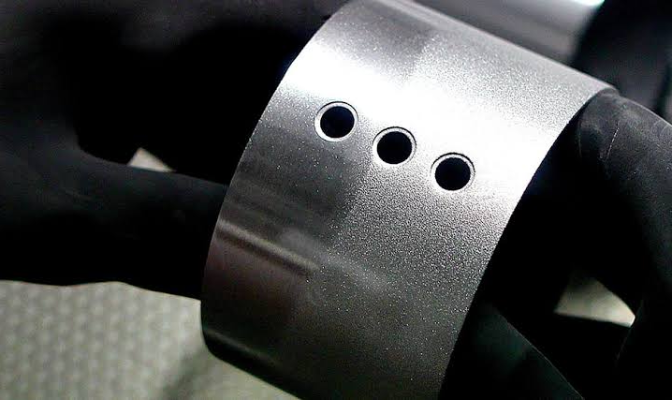
Appearance acceptance
Use an identified reference and define the face, lighting, viewing angle, distance, orientation and allowed variation. A photograph helps locate the target but does not by itself set roughness.
Quantitative texture
Name the parameter, instrument class, measurement direction, filter or cutoff, evaluation length and decision rule. Surface texture data and a visual bead blast finish answer different acceptance questions.
Line-of-Sight Exposure Triage
Classify each face as open, angled, recessed or protected before the route is priced. Unlike a generic all-over callout, this triage connects access, transition visibility and the post-blast inspection to a marked feature; the differentiator is a finish scope that production and quality can both release.
Quotation Scope, Cost Drivers and Production Timing
Bead-blasting cost depends on geometry, surface area, incoming condition, finish target, masking, quantity, inspection, follow-on processes and packaging. The written quotation states the price basis and schedule after those inputs define a common scope.
| Quote driver | Why it changes scope | Buyer action |
|---|---|---|
| Geometry and access | Open faces, recesses, bores and transitions require different handling and coverage review. | Send the 3D geometry or marked views. |
| Incoming surface | Machining marks, weld condition, oxide, rust and old coating change the starting point. | Add current-condition photographs. |
| Finish reference | An approved sample reduces ambiguity around matte, satin and uniformity language. | Name the reference and controlled face. |
| Masking and protection | Threads, fits, seals, datums and internal passages add preparation and verification. | Mark every protected feature on the drawing. |
| Inspection and release | Visual comparison, roughness measurement, cleanliness and dimensional checks are separate work. | List the evidence that must ship or release the lot. |
| Quantity and sequence | Reference release, repeat production, downstream coating and logistics affect scheduling. | Provide quantity bands, destination and target date. |
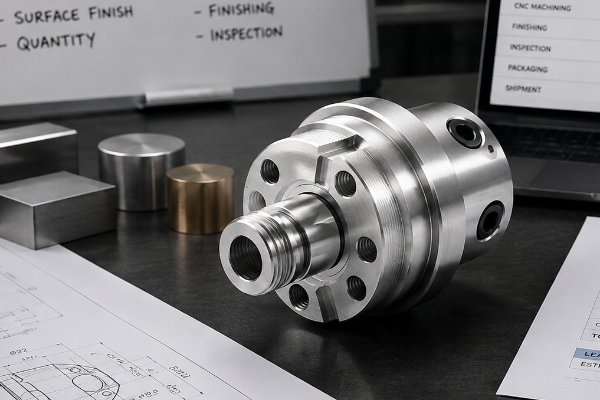
Scope returned
Treated zones, protected features and the finish reference are written into the quotation.
Responsibility returned
The quotation identifies the responsible processing route and the evidence required at handoff.
Timing returned
Production and transit assumptions are separated so the target date is based on the released scope.
SYSTEM PROCESS
Sample Release and Batch Acceptance
Quality review starts when the finish reference and critical features are tied to the released order. Appearance, texture, cleanliness and dimensional integrity remain separate checks; one result cannot substitute for another.
Lock the order identityby matching the drawing revision, material, quantity and finish-zone markup.
Lock the finish referenceby recording the approved sample, image or written acceptance state.
Lock protected featuresby carrying threads, fits, seals, datums, edges and passages into the process scope.
Release the first pieceor agreed sample against the written appearance and measurement requirements.
Control batch changesby recording reference identity, media or route changes, cleaning and deviation approval.
Preserve the handoffby packing cosmetic and critical faces against handling damage and contamination.
Stainless-steel cleanliness
A clean-looking stainless surface does not establish the absence of free iron, oil film, retained blast media or internal residue. The trade-off is additional evidence, but if corrosion resistance or a downstream passivation step matters, put that cleaning and verification route in the order rather than accepting appearance alone.
SYSTEM & RESOURCES
Parts We Manufacture and Factory Context
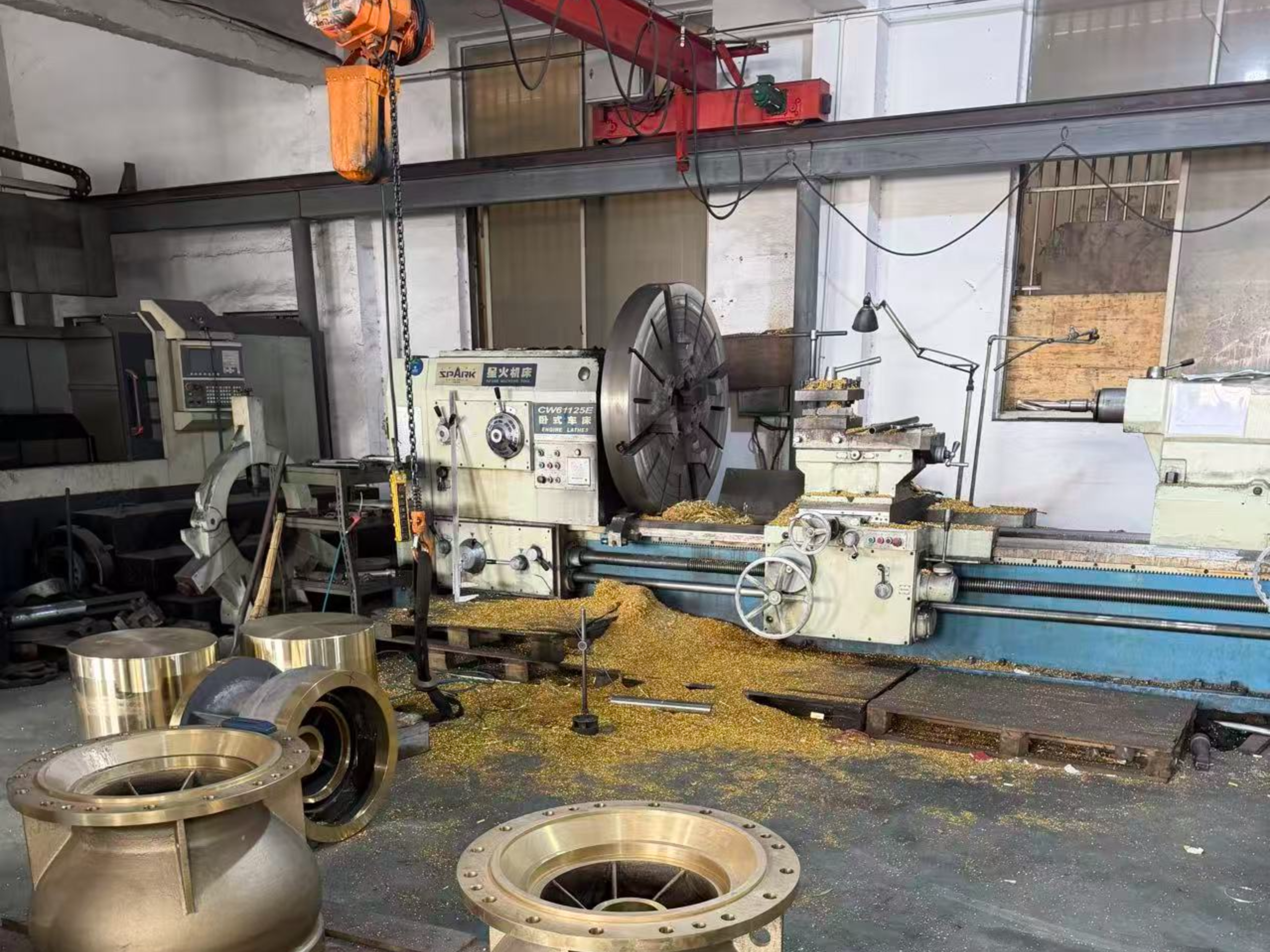
Zhenling was established in 2006 as a made-to-drawing and made-to-sample manufacturer in Jiashan County, Zhejiang. Its 8,000-square-metre site includes a 6,000-square-metre workshop for non-standard machined components.
Company foundation
Established in 2006Custom manufacturing from customer drawings or samples.
Manufacturing site
8,000 m²Jiashan County, Zhejiang, China.
Workshop
6,000 m²Machining context for non-standard components.
The broader equipment scope includes CNC lathes, milling, grinding, boring and wire-cut EDM machines, together with 3-axis, 4-axis and 5-axis machining centres. This lets the finish requirement enter the same drawing and order review as the machined component.
Alternative Surface-Finish Routes
Bead blasting is not suitable for situations needing directional finishing, reflective surfaces, application-specific coating assistance, or material removal. The appropriate finish route should be based on the surface area’s use as well as the next procedure.
| Required outcome | Why bead blasting may work against it | Route to review |
|---|---|---|
| Directional decorative grain | Bead blast finishes are non-directional and will not create a controlled brush line. | Brushing or a defined abrasive-belt route. |
| Reflective or bright appearance | A matte finish reduces glare instead of building reflectivity. | Polishing with a stated visual target. |
| Heavy scale or aggressive removal | Glass bead blast may be too gentle for the required removal rate. | Grit blasting, sandblast review or another cleaning process. |
| Dimensionally fragile edges | Impact and local material removal can disturb sharp edges, radii or thin features. | Protect the feature, change the route or finish before final machining. |
| Aluminum color plus corrosion layer | Bead blasting alone does not create an anodic coating. | Coordinate the bead blast process with anodizing. |
| Stainless corrosion-performance requirement | Appearance alone does not establish cleanliness or corrosion resistance. | Define cleaning and passivation evidence separately. |
Engineered Surface Control Tools
Access dedicated resources to isolate visual variance, classify line-of-sight exposure, and lock batch change-control across the finishing workflow.
01
Bead-Blast Variance Source Lens
Isolate and identify the root causes of visual inconsistencies across blasted components.
Launch Tool
02
Line-of-Sight Exposure Triage
Map open, angled, and recessed faces to connect transition visibility with post-blast inspection requirements.
Launch Tool
03
Media and Batch Change-Control Tripwire
Lock down process variables and establish a strict copy-ready handoff for procurement, quality, and production.
Launch Tool
QUOTE SPECIFICATION
Turn the Finish Requirement into a Comparable Quote
Provide one RFQ package so engineering, quality and procurement review the same scope. The written quotation should identify finish locations, protected features, responsible processing route, acceptance evidence, price basis and schedule.
Send the Drawing and Finish Reference
If the finish is not fully defined, send the marked part and the desired visual or functional result. Record every remaining decision as an open item in the quotation review.
Part package
- Drawing revision or physical sample
- Material grade and condition
- Quantity bands, destination and target date
Finish package
- Marked blast zones and protected features
- Approved sample, photograph or written target
- Inspection, downstream treatment and packing
Bead Blasting Service FAQs
Send the drawing or sample, alloy and condition, quantity, finish zones, protected features, finish reference, downstream operation, destination and target date. A marked photograph helps when the finish callout is still being developed.
Zhenling reviews bead blasting requirements for made-to-drawing metal components, including milled, turned and fabricated geometry. The quotation resolves access, critical surfaces, finish intent and acceptance for the specific part.
Stainless steel and aluminum parts can both enter the review, including the stainless and aluminium grades listed in the material section. For bead blasting stainless steel, cleanliness, protected features and the next finishing technique need their own acceptance fields.
Mark them for exclusion, masking, plugging or post-process inspection. Geometry and the required final condition determine the workable control, so identify threads, fits, seals, datums, edges and passages before quotation.
Use an identified sample or controlled image, mark the applicable faces and state the observation conditions and allowed variation. If roughness matters, add the parameter, location, direction and measurement method rather than relying on appearance language.
Glass bead, angular abrasive, sand blasting and steel shot routes differ in shape, cutting action and impact behavior. A glass bead blasting service is selected from the material, removal need, surface finish and downstream process rather than from the process name alone.
Local material removal, edge rounding and changes to fragile features are possible under some process conditions. Protect or verify critical radii, fits, seals, threads, datums and thin sections in the released scope.
Geometry, surface area, incoming condition, target finish, blast media, masking, quantity, inspection, downstream coating, packing and logistics shape the quotation. Send quantity bands and the target date so price and timing are returned for the same scope.
Keep the drawing revision, finish-zone markup, reference identity, approved sample and change-control triggers with the order. The Media and Batch Change-Control Tripwire records when a change needs buyer approval.
![Shop-Floor Carbon Steel CNC Machining Guide [2026]](https://zhenlingmetal.com/wp-content/uploads/2026/08/carbon-steel-cnc-machining-handbook-r2-featured-150x150.png)