Get in touch with Zhenling Company

Drawing-led manufacturing since 2006
CNC Milling Service for Precision Machined Parts
Give Zhenling the governing drawing, material condition, quantity and acceptance requirements. We review the geometry and production route before quoting custom parts in steel, stainless steel, specialty alloys and aluminum. CNC Milling Service enquiries should include axis route, stock condition, setup-sensitive geometry, datums, inspection plan and drawing revision. Record the proposed route, measurement method, deliverables, exclusions, price basis and schedule in the quotation for the released part, together with every unresolved manufacturing or acceptance assumption.
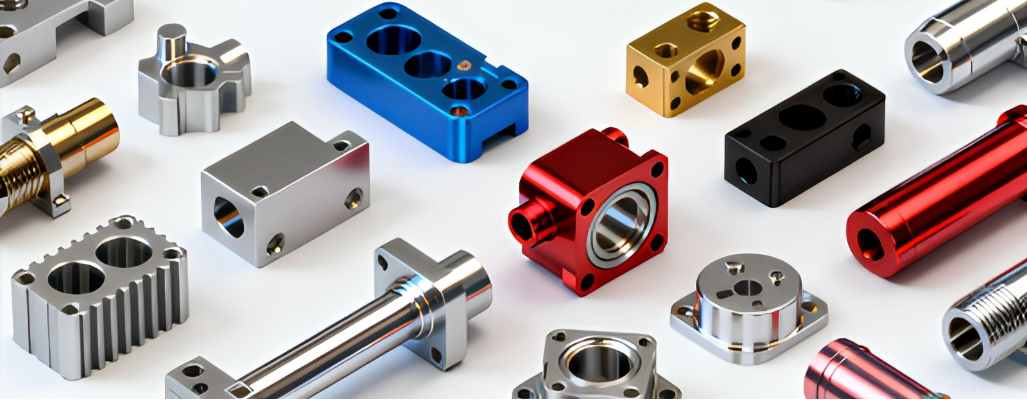
This CNC milling service is the prismatic-part route in Zhenling’s custom CNC machining services for precision CNC parts and other metal parts. Precision is the verified relationship between functional features, agreed limits and an inspection decision rather than an absolute number used on every set of custom CNC parts.
Request a Custom Parts Quote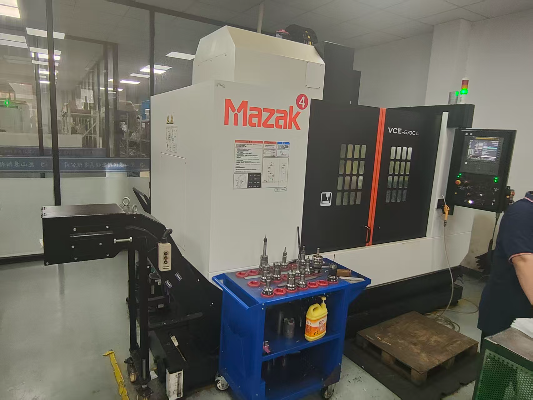
Reduce Setup and Tolerance Risk Before Milling Starts
The costly failure in precision CNC machining is rarely “the machine couldn’t cut metal.” It’s more often a hidden tool-access conflict, an unnecessary tight limit, a datum transferred across setups, or an inspection requirement that appeared only after cnc machined parts were made.
Product-definition context: ASME Y14.5 provides a language for dimensions, tolerances and datum relationships. It does not prove a supplier’s tolerance capability or authorize a default limit.
- Product-definition risk: the 2D drawing, 3D model, sample and purchase specification don’t identify which source governs.
- Access risk: a pocket, port, shoulder or compound angle can’t be reached with a stable cutting tool and safe holder clearance.
- Setup risk: critical features move between fixtures, increasing the chance of datum transfer error.
- Material risk: hardness, heat-treatment state, work hardening or thin-wall behavior changes the machining process.
- Acceptance risk: the order asks for “inspection” without defining features, method, frequency or accept/reject rules.
Buyers care about drawings, schedule and verifiable inspection more than machine age. Quality CNC work keeps the trade-off practical: inspection depth must protect functional risk without adding work that a simple, open-limit feature doesn’t need.
See a setup or dimensional risk?
Request a drawing-specific risk review
Start With the Part’s Functional Features
Our CNC machining design review separates functional characteristics from convenient defaults. A sealing face, bearing seat, port relationship or mounting pattern deserves more attention than a noncritical surface simply carrying a general tolerance block.
Flanges
Review face condition, bolt-circle relationships, bore alignment, thickness and any sealing or pressure-boundary requirement before choosing a milling-only or combined route.
Valve Bodies
Map ports, internal transitions, sealing faces and datum relationships across orientations so multi-face machining doesn’t create avoidable transfer risk.
Plugs and Fittings
Check threads, shoulders, sealing geometry and material condition together; a rotational blank may still need milled flats, slots or cross holes.
Non-Standard Parts
Use the dominant geometry and acceptance requirements to decide whether milling, turning, boring, grinding or a combined manufacturing process is appropriate.
Unsure whether the geometry is practical?
Send a part drawing for a feasibility check
Choose Milling, Turning, or Multi-Axis Machining for the Dominant Geometry
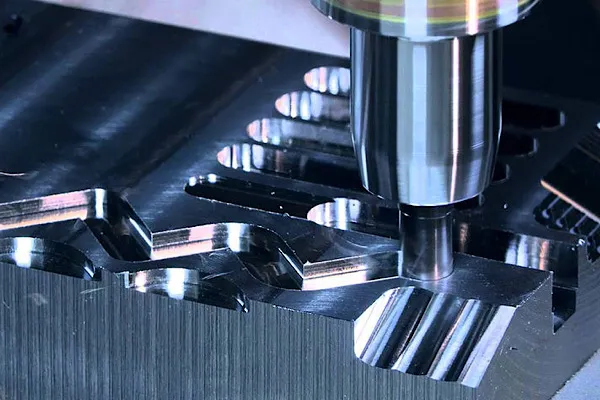
Use cnc milling when faces, pockets, slots, holes or contours dominate the part. CNC milling and turning may share the route when critical geometry mixes prismatic and rotational features, while cnc turning with live tooling can suit selected cross holes, flats or slots.
Route-review context: NIST’s digital-manufacturing work connects design, manufacturing and measurement information. It supports controlled data flow, not a universal recommendation for any axis count or machine type.
| Dominant geometry | Initial process route | Questions that decide the route |
|---|---|---|
| Faces, pockets, slots, holes and polygonal contours | 3-axis machining or indexed milling | Can the cutting tool reach the feature with adequate rigidity, chip evacuation and holder clearance? |
| Diameters, shoulders, bores and concentric features | CNC turning | Which features must remain coaxial, and are cross holes, flats or keyways also required? |
| Rotational and prismatic features together | Milling and turning, mill-turn, or controlled transfer | Which datum must survive the change of machine or fixture? |
| Compound faces, angled holes and obstructed features | 4-axis CNC machining, 5-axis indexed milling processes, or simultaneous 5-axis machining | Does the geometry need continuous tool orientation, or only fewer indexed setups? |
The risk is choosing a machine label before the datum and access problem is understood. Because ASME Y14.5 treats dimensions and geometric requirements as a language for design intent, Zhenling uses the governing drawing as the route-review basis rather than treating axis count as evidence by itself.
Comparing milling, turning and multi-axis routes?
Ask for a process-route review of your drawing
Engineering boundary
A higher axis count isn’t a quality grade. Simple parts may be more predictable on a straightforward cnc machine, while complex geometries may justify multi-axis access because it reduces transfers or enables shorter, more rigid tooling.
Why “Five Axis” Is Not the Whole Answer
Programming, simulation, fixturing and inspection also become more demanding as motion and access become more complex. The honest version is that multi-face access can help, whereas cycle time and cost advantages still depend on the part rather than the machine label alone.
-
01
Choose the simplest route that preserves the required datum relationships.
-
02
Escalate to indexed or simultaneous motion when access, orientation or setup reduction creates measurable engineering value.
-
03
Route primarily rotational components to a drawing-led cnc turning service review.
-
04
Route compound angles and multi-face access problems to a 5-axis CNC machining review when fewer transfers may protect datum relationships.
Select CNC Machining Materials for the Operating Condition
CNC machining materials should be selected from service conditions, not from a list a CNC shop has cut before. Corrosion, temperature, pressure exposure, hardness, wear, downstream welding and surface finish can all alter stock selection and process planning.
Material-data context:
NIST’s digital-manufacturing work
supports continuity of product-definition and production data. It does not establish material suitability, stock availability or supplier capability for a specific order.
| Material family | Representative grades provided by Zhenling | RFQ questions for the quoted process |
|---|---|---|
| Carbon steel and alloy steel | 20#, 45#, Q235A, Q345D, 12CrMoV, GCr15, 25CrMo, 42CrMo | State the supply and heat-treatment condition, hardness requirement, corrosion protection, distortion concern and traceability level. |
| Stainless steel | 303, 304, 304L, 316, 316L, 321 | Identify corrosion medium, passivation or other finish, surface condition, welding exposure and features vulnerable to work hardening. |
| High-performance and corrosion-resistant alloys | C276, 904L and nickel-based chemical-service alloys | Confirm the exact specification, product form, certification need, hardness, thermal behavior and whether substitutions are prohibited. |
| Aluminum alloy | Multiple aluminum alloy families; exact grade is drawing-dependent | Define temper, grain-direction concern, cosmetic surface, anodizing allowance and thin-wall distortion risk. |
Material substitution rule
Don’t accept “equivalent” as an informal shop-floor decision when chemistry, mechanical properties, corrosion or code obligations matter. Put allowed alternatives and the approval route in the purchase specification.
Separate Machinability From Application Suitability
A grade may be machinable yet wrong for the operating environment, or technically suitable but expensive to process because of heat, wear or chip-control behavior. Every CNC machining surface that seals, slides or receives a coating needs its own finish context; the customer’s functional specification remains the basis for approval.
01
Provide grade, governing standard, product form and material condition.
02
Identify hardness, heat treatment, corrosion and temperature requirements.
03
State material-certificate and lot-traceability expectations before the quote.
04
Define finish allowances where anodizing, coating, plating or passivation affects final dimensions.
Comparing alloys for a difficult operating condition?
Request a material and tolerance check
Move From Controlled Product Definition to Inspected Production Parts
A drawing and model revision mismatch can reach first article or assembly because the CNC machining process no longer has one controlling definition. NIST’s digital-manufacturing work connects CAD, CNC manufacturing and measurement, while ISO 14253-1 shows why the later acceptance decision also needs a defined basis. Neither source proves a project-specific result.
01
Receive. Submit the 2D drawing, 3D model or sample, plus revision, units, quantity and purchase requirements.
02
Establish control. Identify which file governs when the drawing, model, sample or note conflicts.
03
Review. Check geometry, datums, geometric requirements, material condition, surface requirements and inspection scope.
04
Route. Select machines, setups, fixtures and tooling while recording questions that must close before release.
05
Verify first output. Inspect the first piece or initial batch against the agreed characteristics and decision basis.
06
Control change. Keep the approved revision, process instructions and inspection plan aligned for repeat production.
07
Deliver evidence. Package production parts with the agreed material, inspection, identification and traceability documents.
Prototype and Repeat Production Need Different Controls
Prototypes and production parts need different controls: a prototype exposes design and access issues, while a repeat order needs a stable fixture, revision record and inspection frequency. Unlike quick-turn parts purchased only for speed, repeat production must preserve the approved route and acceptance basis.
Prototype Milling
Prioritize design questions, feature access, material behavior and a clear record of deviations or drawing changes.
Low-Volume CNC Machining
Balance reusable workholding and inspection depth against the quantity, without assuming a dedicated production fixture is always economical.
Repeat Production
Lock the governing revision, approved route, critical features and evidence package before treating a previous part as the current requirement.
Compare Total CNC Milling Cost Without Guesswork
CNC machining costs are driven by the complete route, not by machine time alone. Academic work separates metal cutting from nonproductive, handling and setup time, but the trade-off between speed and uncertainty makes the framework suitable for comparison rather than a precise machining price formula.
Cost-model context: published machining-time research separates productive and nonproductive time, while NIST’s data-continuity work supports controlled inputs. Neither source supplies Zhenling’s price or lead time.
| Cost driver | Why it changes the route | What makes quotes comparable |
|---|---|---|
| Material and condition | Stock price, hardness, tool wear, heat and distortion vary by grade and state. | Exact grade, form, condition, substitution rule and certificate requirement |
| Geometry and setup | Access, transfers, fixture complexity and long-reach tools add noncutting effort and risk. | Current model, drawing, datum scheme and identified functional features |
| Tolerance and surface finish | Critical limits may require different sequences, finishing steps and measurement methods. | Functional tolerances separated from default or cosmetic requirements |
| Quantity and production stage | Programming and setup are allocated differently across a prototype, first batch and repeat order. | Prototype quantity, first-order quantity and realistic repeat demand |
| Inspection and documents | 100% inspection, sampling, material reports and special records consume different resources. | Named characteristics, frequency, decision rule and report format |
| Outside processes | Heat treatment, coating, plating or specialist testing add handoffs and dimensional dependencies. | Applicable specifications, masking, allowances and approved-source constraints |
Why a Public Price or Fixed Lead Time Would Mislead
Rework can erase a quotation advantage even when the replacement part is free because schedule and logistics don’t rewind. An instant quote or online quote may be fast, but a comparable CNC service quote still needs the governing product definition.
-
01
Ask whether the quote includes first-article work, special tooling and inspection documentation.
-
02
Confirm whether material, heat treatment, coating, packaging and freight are inside the quoted scope.
-
03
Compare exclusions and assumptions, not only the total price.
-
04
Request a lead-time estimate only after technical questions and outside processes are understood.
Verify the Evidence Behind Your CNC Milled Parts
Buyers evaluating precision machining services prefer suppliers who discuss critical features, measurement methods and deviations early. Precision cnc machining services still need an agreed decision basis; ISO 14253-1 addresses near-limit conformity and measurement uncertainty, but a general report does not prove a complete system.
Acceptance context:
ISO 14253-1 addresses conformity decisions near specification limits, and the
NIST/SEMATECH handbook explains acceptance-sampling context. The order must still define its characteristics, method and decision rule.
| Evidence item | What it can support | What still needs agreement |
|---|---|---|
| Material certificate | Material identity and reported properties within the certificate’s scope | Required standard, lot linkage, review responsibility and any independent test |
| Dimensional inspection report | Recorded results for named characteristics | Measurement method, frequency, equipment suitability and decision rule |
| First-article record | Initial verification against an agreed characteristic set | Whether it authorizes production and how later process changes are handled |
| Sampling record | Lot disposition under a stated sampling plan | Lot definition, sample size, acceptance number and applicable standard |
| 100% inspection record | Results for every defined characteristic or every part within the agreed scope | Which characteristics receive complete inspection and how near-limit results are treated |
| Revision and traceability record | Connection between the order, material, process and product-definition revision | Retention period, identifier format and customer access |
Define the evidence before production.
Request a part-specific inspection-scope review
Sampling is a choice, not a synonym for quality
NIST describes acceptance sampling as a middle path between no inspection and 100% inspection, particularly when complete testing is destructive, costly or slow. Your purchase order should therefore state whether critical characteristics receive 100% inspection or a documented sampling plan.
Evidence Status for This Page
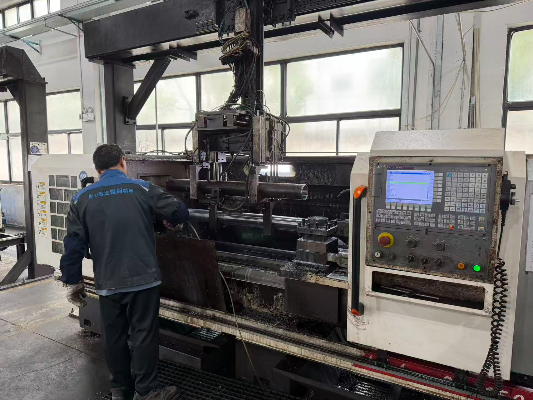
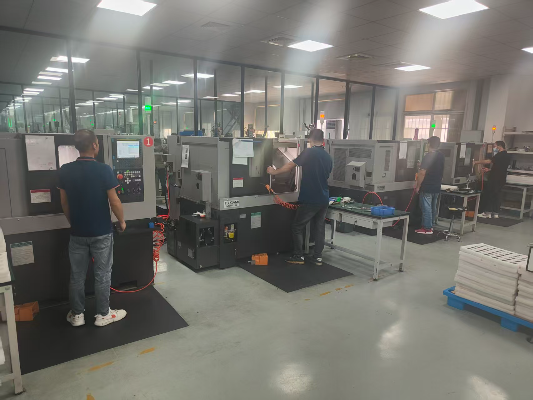
We separate verified facts, company-provided capability statements and drawing-dependent outcomes. This prevents a factory photograph or broad certificate statement from being treated as proof of a specific process capability or acceptance result.
| Statement | Status | How to use it |
|---|---|---|
| Shanghai Zhenling Hardware Co., Ltd. was established in 2006 | Verified | Supported by the reviewed business-license record |
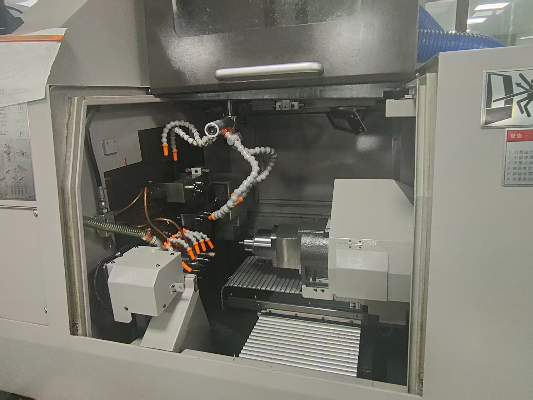
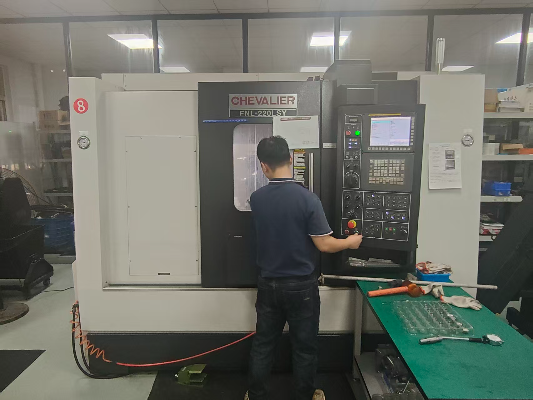
| Jiashan factory and listed CNC equipment categories | First-party | Supported by company information and reviewed equipment photography; no universal performance number is inferred |
| Material grades listed on this page | First-party | Use as a review range, subject to project specification and stock confirmation |
| Dimensional limits, roughness, capacity, lead time and inspection package | Drawing-dependent | Confirm through the quote and order-review process |
| CE or ASME scope for a specific milled part | Document-dependent | Request the relevant current certificate and scope before relying on it |
Established 2006
Business-license record reviewed
Direct Factory
Jiashan manufacturing site described by the company
3 / 4 / 5 Axis
Equipment categories, not a universal capability claim
Quotation Scope
Project results depend on drawing and acceptance scope
Review Realistic Application Patterns Before You Release the Order
The following CNC machining applications are engineering review examples based on part families Zhenling reports manufacturing, not published customer case studies. They show how custom manufacturing services should close technical questions without claiming a measured result from an unidentified project.
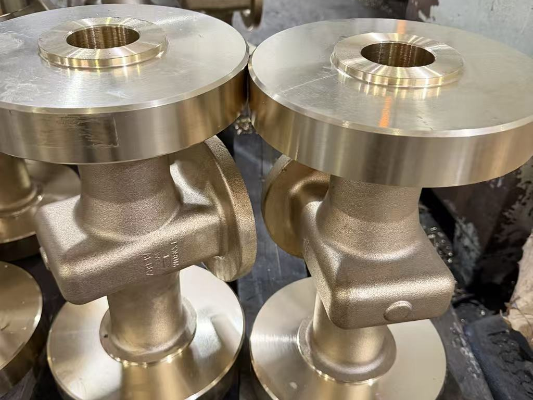
Multi-Face Valve Body
Multi-Face Valve Body
The buyer needs port relationships, sealing faces and datum structure preserved across several orientations. The review should compare indexed multi-axis access with repeated fixtures, then define inspection for the relationships that affect assembly or sealing.
- Primary riskDatum transfer
- Decision evidenceFeature-access map and inspection plan
- Trade-offSimpler fixtures versus fewer setups
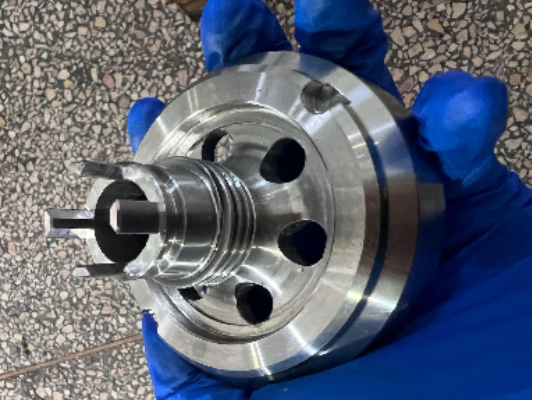
Flange With Secondary Features
Flange With Secondary Features
The part combines rotational geometry with a bolt pattern, slot, flat or angled feature. A combined turning-and-milling route may protect coaxial features better than forcing every operation onto one machine type.
- Primary riskFace, bore and pattern relationship
- Decision evidenceGoverning datums and process sequence
- Trade-offTransfer control versus complex single-machine routing
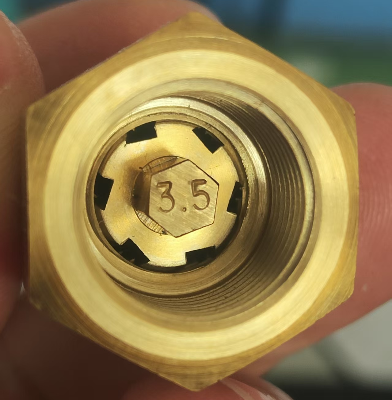
Alloy Plug / Flow-Control Part
Alloy Plug / Flow-Control Part
The material state, sealing surface, thread, bore and corrosion environment interact. The RFQ should therefore connect the material specification and finish allowance to the final measurement and traceability package.
- Primary riskMaterial and surface mismatch
- Decision evidenceMaterial scope and acceptance characteristics
- Trade-offInspection depth versus functional criticality
Prepare a Custom CNC Machining RFQ Engineers Can Price
A decision-ready RFQ closes the risk created when suppliers make different assumptions. Because acceptance language, drawing revision and material scope can change the route, Zhenling needs these inputs before its precision cnc machining services can be quoted honestly.
RFQ context: ASME Y14.5 supports unambiguous product-definition language. For restricted technical data, U.S. EAR Part 734 provides scope context, not legal advice or an automatic license conclusion.
| Buyer input | Engineering review | Expected output |
|---|---|---|
| Governing file, 2D drawing, 3D model, revision and units | Resolve conflicts, missing dimensions, geometry and datum scheme | Open-question list and conditional manufacturing route |
| Material grade, product form, condition and traceability | Review machinability, distortion, substitution and document needs | Confirmed material scope and certificate boundary |
| Geometric requirements, general dimensional notes and surface finish | Connect functional limits to setup, cutting and measurement | Critical-characteristic and inspection plan |
| Prototype, first order and repeat quantity | Evaluate programming, fixture, batch and inspection allocation | Stage-specific production and quote assumptions |
| Acceptance rule and inspection frequency | Review 100% inspection, sampling, near-limit decisions and report format | Statement of what the evidence can and cannot prove |
| Heat treatment, coating, plating or passivation | Check dimensional allowance, masking, handling and outside-process sequence | Pre- and post-process acceptance boundary |
| Identification, packaging and shipping requirements | Review traceability and surface-protection needs | Delivery and documentation checklist |
The Drawing-to-Inspection RFQ Register
Use the Drawing-to-Inspection RFQ Register instead of a generic form when contracting with a CNC milling manufacturer. It makes the trade-off between machine speed and technical clarity visible before the order is released.
01
Current cad file and drawing, with one clearly identified governing revision
02
Units, datum structure, geometric requirements, general dimensional notes and surface-finish requirements
03
Material grade, condition, heat treatment and allowed substitutions
04
Prototype and production quantities, including realistic repeat demand
05
Critical characteristics and their functional reason
06
Inspection frequency, decision rule, material documentation and traceability expectations
07
Outside-process specifications, masking, cosmetic limits and dimensional allowances
08
Packaging, labeling, destination and target delivery window
Service boundary
Milling is a subtractive manufacturing process based on controlled metal removal, but that definition doesn’t settle process fit. This page isn’t a general online CNC machining service, sheet metal fabrication, or 3D-printing quote engine for plastic and metal parts. It discusses a drawing-led review.
CNC Machining Engineering Decision Tools
Access our structured decision frameworks to evaluate setup risks, compare machining routes, and define inspection scopes before quoting and production release.
01
Setup-Risk Milling Compass
Hover to explore
Setup-Risk Milling Compass
Evaluate feature access, setup count, part rigidity, and material behavior to determine the optimal 3, 4, or 5-axis milling route.
Open Tool02
Milling vs Turning Route Comparator
Hover to explore
Milling vs Turning Route Comparator
Compare productive and nonproductive variables across prismatic and rotational machining routes to clarify total CNC costs.
Open Tool03
Inspection Scope Planner
Hover to explore
Inspection Scope Planner
Define critical characteristics, measurement methods, and acceptance evidence requirements before your production release.
Open ToolTurn Your Drawing Into a Reviewable Quote
Zhenling will use the governing files, material condition and specification, quantity and acceptance criteria you provide to decide which questions need to be resolved before manufacturing custom milled parts.
Provide the controlling 2D drawing and available CAD model, plus revision, units, material and condition, quantity, surface requirements, critical features, inspection scope and outside processes. Specify which source controls if the drawing, model, sample or purchase specification conflicts.
Select 3-axis, 4-axis or 5-axis CNC milling based on feature access, setup count, datum relationships, rigidity and manufacturing stage. 3-axis machining is appropriate for accessible features, 4-axis indexed motion exposes additional faces, and 5-axis continuous orientation is justified when access or orientation prevents the required geometry.
A responsible universal tolerance doesn’t exist for every part, material, size and feature. Zhenling considers the drawing, datum scheme, material condition, setup plan, measurement method and inspection interval before approving a machining tolerance.
The company has experience with carbon and alloy steels, stainless steels including 303, 304, 304L, 316, 316L, 321 and 904L, C276 and nickel-based chemical-service alloys, and aluminum alloys. Specific grade, condition, hardness, corrosion exposure and certificate requirements are still subject to project review.
Geometry, material, quantity and inspection requirements affect stock cost, programming, setup, cutting time, tool wear, fixture effort, inspection and outside-process scope. A quotation becomes more comparable when all bidders receive the same revision, material state, quantity and acceptance criteria.
Zhenling can accept drawings or samples for custom manufacturing review. A list of open questions and conditional route decisions is the useful outcome; final manufacturability, price and lead time depend on the actual product definition and order scope.
CNC milling can support prototypes, low-volume production and repeat orders, but each stage requires different controls. A prototype tests design and access assumptions, while repeat production requires fixture stability, revision management, inspection rate and a defined evidence package.
The scope of available documents is agreed project by project and listed on the quotation and purchase order. Request the precise material certificate, dimensional report, first-article record, sampling or 100% inspection scope, traceability report and the specific test results required for the order.
Turning can be a quick option when coaxial relationships are important, like diameters and bores, whereas milling becomes important for parts that have complicated contours and faces. Combinations are then possible to create more complex profiles.
Ask how Zhenling governs critical features, setups, material specifications, dimensioning schemes, acceptance criteria and exceptions during part fabrication. This evidence helps determine the depth of review and the degree of reliance a buyer can place on the company’s shop and inspection data. Machine age or a general equipment list doesn’t equal evidence of production-parts supplier capability.
![Shop-Floor Carbon Steel CNC Machining Guide [2026]](https://zhenlingmetal.com/wp-content/uploads/2026/08/carbon-steel-cnc-machining-handbook-r2-featured-150x150.png)