Get in touch with Zhenling Company



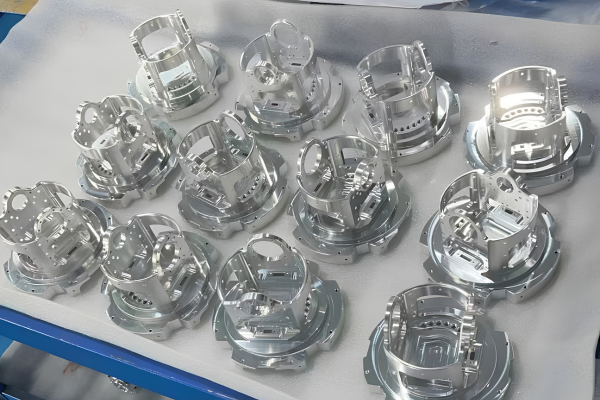
Custom Metal Machining
Bronze CNC Machining Services for Custom Industrial Parts
Bronze CNC machining is a drawing-led route that connects five facts: the exact alloy, the starting blank, the functional geometry, the acceptance limits, and the evidence your order needs. Zhenling reviews that chain before matching turning, milling, boring, grinding, or multi-axis work to custom bronze components. Bronze CNC Machining enquiries should include alloy grade, stock condition, bearing or corrosion exposure, critical dimensions, finish and inspection points. Review the proposed route, open limits and required records before relying on price, timing or capability for the actual order, and distinguish confirmed inputs from unresolved commercial or inspection assumptions.
01Since 2006Company operating history
028,000 m²Jiashan manufacturing site
036,000 m²Reported plant area
043 / 4 / 5-axisMachining-center routes available
Drawing review Scope before capability commitment
Lot evidence Defined with the purchase scope
What the first review should settle
01
Material standard, UNS or grade, condition, and permitted starting form.
02
Critical dimensions, datum relationships, surface finish, threads, and mating features.
03
Quantity, sample or first-article plan, inspection coverage, finishing, packaging, and destination.
01 / 03
Authority Scope
Match the Bronze Alloy to Load, Corrosion and Machining Risk
U.S. EPA drinking-water plumbing requirements
Destination-specific boundary; not an alloy-selection rule.
“Bronze” isn't a complete material callout, and there's no universal best bronze for machining. Bearing bronze, phosphor bronze, aluminum bronze, silicon bronze, and other copper alloys differ in composition, stock route, wear resistance, corrosion resistance, low-friction behavior, heat treatment, and machinability. When a drawing instead specifies a tool-steel grade, review the tool steel CNC machining scope before treating this bronze route as applicable.
Bronze Alloy–Part–Proof Decision Map
- 01End use, fluid, load, temperature, pressure, and destination market.
- 02Drawing material standard, grade or UNS number, and substitution rule.
- 03Sand, centrifugal or continuous casting, wrought stock, and supplied condition.
- 04Geometry, datum scheme, allowance, process sequence, and fixturing.
- 05Inspection method, coverage, uncertainty, and acceptance rule.
- 06Material, process, first-article, and batch-release records.
Copper Development Association data lists C92300 leaded tin bronze for bearings, bushings, gears, pump parts, impellers, valve bodies, and hydraulic equipment, while linking different casting forms to different ASTM specifications. A common myth is that this kind of alloy profile can replace the buyer's drawing or service calculation.
Scenario 01 — Bearing or bushing duty
Parameter Requirements
What belongs in the RFQ
Load, speed, shaft material, lubrication, fit, operating temperature
Machining Impact
Why it changes CNC machining
Bore condition, wall stability, cutting bronze behavior, and finish strategy depend on the actual alloy and blank
Validation Limit
Alloy and Stock Evidence
A family name does not prove wear life
Scenario 02 — Pump or valve duty
Parameter Requirements
What belongs in the RFQ
Fluid chemistry, pressure, temperature, corrosion allowance, regulatory market
Machining Impact
Why it changes CNC machining
Material identity, pressure-containing geometry, casting condition, and test scope affect the route
Validation Limit
Part and Feature Risk
A photo does not prove pressure integrity
Scenario 03 — Gear or wear component
Parameter Requirements
What belongs in the RFQ
Load direction, mating material, tooth data, lubrication, hardness requirement
Machining Impact
Why it changes CNC machining
Tool life, tooth cutting, datum control, and distortion risk must be reviewed together
Validation Limit
Inspection Decision
Machinability is not a service-life guarantee
Scenario 04 — Restricted end use
Parameter Requirements
What belongs in the RFQ
Destination, contact medium, applicable product rule, certification owner
Machining Impact
Why it changes CNC machining
Composition and document scope may narrow acceptable material sources
Validation Limit
RFQ Decision
Company credentials do not qualify every part
ASTM B148-24 covers listed aluminum-bronze sand castings and states that mechanical properties are determined from separately cast test bars. This proves why a material standard, a test-bar result, and finished-part dimensional acceptance are different proof objects.
Potable-water scope is conditional
For covered U.S. drinking-water pipes, fittings, and fixtures, EPA defines “lead free” as a weighted average of 0.25% lead across wetted surfaces and lists nonpotable and product-specific exemptions. Send the destination, contact medium, and applicable rule before asking whether a bronze alloy is acceptable.
Machining Review Send Requirements for Machining Review
Part Family Routes
Custom Bronze CNC Machining for Pumps, Valves, Gears and Bearing Components
Authority scope
U.S. EPA covered-product and exemption scope
Relevant only when the component enters covered U.S. drinking-water service.
Ask whether the proposed bronze part family, failure-sensitive features, blank condition, machining process, and release evidence form one workable order, not merely whether a shop can make “bronze parts.”
Part family changes the route
A common assumption is that industrial applications make one process universal; they don't. Machined bronze bushings, bronze machined from cast blanks, and phosphor bronze gears can require different stock, datum, and inspection decisions, so CNC machine and fixture selection follows the controlled drawing, supplied condition, and release requirement.
S1 — Valve and pump bodies
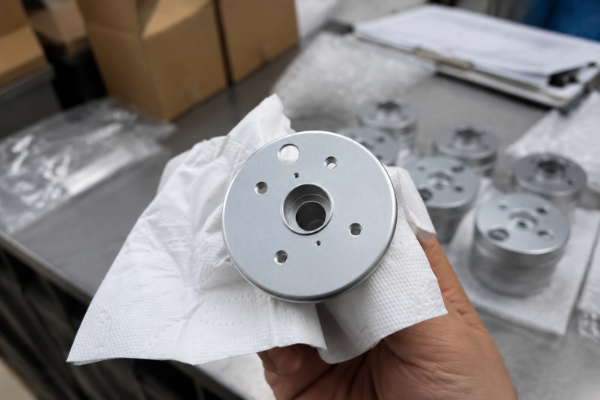
Review body datums, bores, flange faces, bolt circles, ports, wall condition, and any pressure or leak requirement.
Photo proves visible geometry and machining stage only.
S2 — Impellers and rotating parts
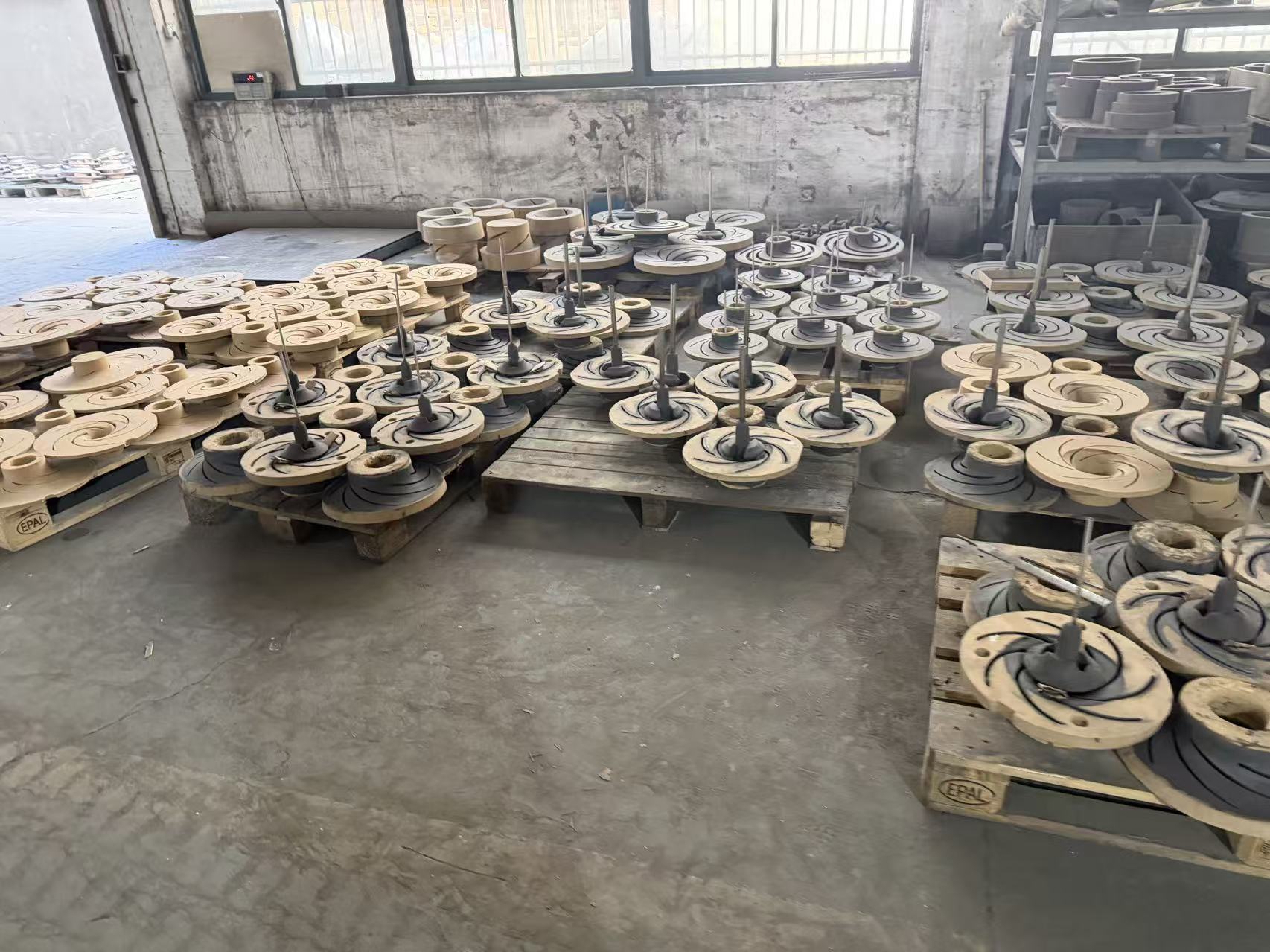
Illustrative imageDefine hub, bore, vane clearance, concentricity, balance-related features, datum transfer, and permitted casting cleanup.
Photo does not establish alloy, balance grade, or tolerance.
S3 — Gears and hubs
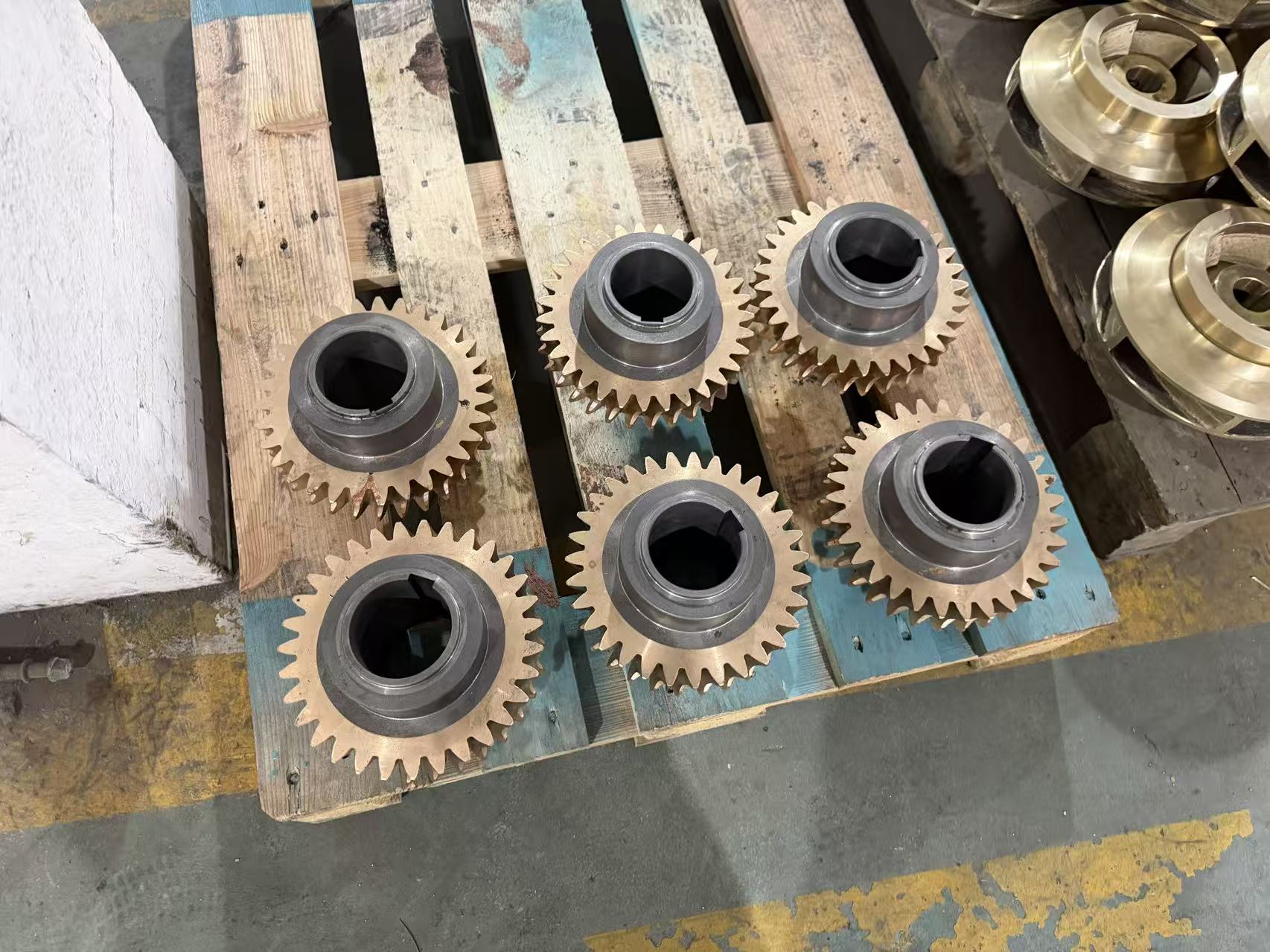
Illustrative imageSubmit tooth geometry, hub fit, keyway, mating member, material pairing, lubrication, and inspection expectations.
Photo does not prove tooth accuracy or wear performance.
| Part family | Failure-sensitive features | Likely CNC route to review | Evidence to request |
|---|---|---|---|
| Bronze bushings and bearings | Bore size, roundness, wall movement, fit, lubrication features | Turning, boring, rough/finish sequence, restrained or free-state review | Material identity, bore report, inspection state, finish record |
| Pump parts and impellers | Hub-to-vane relationship, concentricity, passage access, casting allowance | Turning, boring, CNC milling, probing, selective multi-axis access | Datum plan, measured features, applicable balance or functional scope |
| Valve bodies and flanges | Face relationship, bolt circle, port alignment, sealing features | Turning or milling, boring, drilling, threading, deburring | Critical dimensions plus separately defined surface, internal, or pressure tests |
| Gears, shafts, hubs, and wear parts | Tooth data, runout, fit, keyway, mating surfaces | Turning, milling, gear-feature routing, grinding when specified and feasible | Feature report, material document, hardness or process record when ordered |
Valve World describes sand-cast nickel aluminum bronze for complex pump casings, impellers, and valve bodies, while centrifugal casting is used for rings and bushings. It's a third-party industry example, not proof that every photographed part uses that alloy or route.
Drawing Review Send a Part Family and Drawing
Route Complex Bronze Geometry Through Turning, Milling, Boring and 5-Axis Machining
The honest version is route-specific
Zhenling engineers a provisional CNC turning or 5-axis machining route from drawing signals because a machine list alone can't resolve workholding risk. For a valve body, impeller, gear, or bushing, send the controlled drawing and critical tolerance so access, cutting forces, finishing, and inspection can be reviewed before an RFQ is confirmed.
AUTHORITY SCOPE
NIST product-manufacturing information research
Supports controlled information exchange; it does not prescribe a machining route. Some grades have excellent machinability; others create tool wear, surface damage, chip, heat, or work-hardening concerns under particular conditions. Real challenges change with the alloy, condition, geometry, allowance, cutting speed, feed rate, coolant plan, and surface finish target.
Provisional CNC Route Parameters [ Hover to Reveal Details ]
01
Turn and bore
- Outside and inside diameters
- Faces, shoulders, grooves, and threads
- Concentric datum relationships
02
Mill and drill
- Flats, bolt circles, ports, and pockets
- Keyways and intersecting features
- Secondary datums and access
03
Multi-axis route
- Compound surfaces and angled features
- Reduced refixturing where geometry supports it
- Access and collision review before commitment
04
Finish and verify
- Roughing allowance and stock variation
- Stable clamping and datum transfer
- Feature-matched in-process checks
Reviewed Practical Machinist thread on turning and boring bronze bushings
Long or deep bore
Route question
Can the feature be supported, accessed, cooled, and measured?
Risk to check
Bar deflection, chip evacuation, tool wear, taper
Do not assume
One diameter proves the full bore
Thin or split wall
Route question
When should the part be split, clamped, relaxed, and finish-machined?
Risk to check
Shape movement and inspection-state mismatch
Do not assume
Machine accuracy prevents material movement
Cast near-net blank
Route question
How much variable allowance and datum stock exists?
Risk to check
Interrupted cuts, air cutting, local defects, position shift
Do not assume
Nominal CAD equals the received blank
Compound impeller or valve geometry
Route question
Which surfaces establish the route and which need multi-axis access?
Risk to check
Fixture interference, accumulated setup error, inaccessible inspection
Do not assume
Five-axis capability alone proves feasibility
Control The Part From Bronze Blank To Finished Geometry
SYS.REF: NIST Lifecycle Information-Exchange Research
Supports preserving manufacturing information; not this page's process sequence.
The Cast-to-Inspection Control Chain fixes ownership before metal is cut. This trade-off means deliberate review time up front because an ambiguous inspection state can create rework, rejection, or a false dimensional comparison later.
How Zhenling Applies The Control Chain
Zhenling engineers the CNC production handoff around the released drawing, material identity, datum logic, roughing response, finishing sequence, and agreed inspection condition. Send the valve, bushing, or other part drawing, mating condition, critical features, and any required test or certificate so the team can identify a process risk before a custom RFQ is released.
Send The Drawing And Inspection State
Step 01
Drawing
Revision, model authority, dimensions, notes, and acceptance hierarchy
Step 02
Material
Grade, standard, condition, blank route, heat or lot identity
Step 03
Datums
Starting references, cleanup stock, and casting variation
Step 04
Roughing
Stock removal, stress response, and intermediate state
Step 05
Finishing
Feature sequence, cutting tools, coolant, and surface finish
Step 06
Checks
In-process measurements tied to the controlled revision
Step 07
Handoff
Deburr, clean, protect, document, pack, and release
Resolving Process Ambiguity
Clear definition of boundaries reduces post-machining conflicts.
Change-Control Questions
- Which file is authoritative when the model and drawing differ?
- Who approves a material, blank, process, or measurement deviation?
- Which changes require a new sample or first article?
- How are approved assumptions carried into repeat production?
External-Process Questions
- Is heat treatment, coating, plating, testing, or balancing required?
- Who owns supplier approval and certificate review?
- Are pre- and post-process dimensions separately controlled?
- What protection and packaging follow the final operation?
Defining The Final Condition
Split bushings can distort after separation, so the RFQ should define roughing, splitting, reassembly, finish-boring, clamping and inspection state rather than naming only a nominal dimension.
Process Plans Are Not Certificates
This chain explains control points and responsibility. It doesn't claim that a particular special process, laboratory method, report format, or certification is included until Zhenling confirms the order scope.
Authority scope | NIST metrological traceability glossary
Verify the Sample, First Article and Batch Release Evidence
Defines the calibration-chain boundary; acceptance still needs an agreed method and uncertainty.
A sample proves only what was measured, observed, or tested on that sample under the stated conditions. A common assumption that one accepted sample automatically controls every batch creates a release risk unless revision, material identity, critical characteristics, verification method, acceptance rule, and batch records travel together.
Bronze Order Scope
One mistake is to treat a material certificate as a finished-part release certificate because the objects answer different procurement and supplier questions. Zhenling inspects custom CNC parts only to the RFQ scope, so request the feature list, method, coverage, and report format before order release.
NIST Glossary: A current NIST glossary entry defines metrological traceability as relating a measurement result to a reference through a documented, unbroken calibration chain, with each calibration contributing to measurement uncertainty. For a close tolerance, the RFQ still needs a method and uncertainty suitable for the feature and acceptance decision.
Define the Required Evidence Package
01 Sample
- Confirm material and blank assumptions
- Resolve geometry and manufacturing questions
- Record deviations before approval
02 First article
- Measure agreed characteristics on the released revision
- Identify methods, conditions, and result ownership
- Close nonconformities before batch release
03 Batch
- Carry forward approved controls
- Apply the contracted coverage or sampling rule
- Link reports to the released lot or order
EVIDENCE_OBJECT_PARAMETERS
Evidence object
What it can support
What it cannot replace
RFQ wording to settle
Material certificate or heat/lot record
The material identity and values explicitly covered by that document
Finished-part dimensions, surface condition, or functional performance
Standard, grade, source, traceability level, and document required
Separately cast test bar
Test results for the standard-defined sample and conditions
Every local property or defect condition in the finished casting
Applicable specification, test basis, and acceptance requirement
Dimensional report
Measured characteristics, results, and stated conditions
Unmeasured features, internal soundness, or pressure integrity
Feature list, coverage, method, units, uncertainty, and decision rule
Surface examination
Discontinuities within the selected method's surface capability
Internal volume or leak performance beyond that method
Method, standard, operator/lab, area, sensitivity, and acceptance criteria
Internal, leak, or pressure test
The contracted test object, setup, level, duration, and acceptance scope
Material chemistry or all dimensions
Method, medium, pressure, duration, coverage, and reporting
Authority scope
Normalize Bronze Machining Cost, Lead Time and RFQ Scope
U.S. BLS producer-price series for metal mill shapes
Time-dependent market context; not a Zhenling quote benchmark.
Two bronze machining services can quote the same model and still price different work. Alloy and stock form, available allowance, setup count, quantity, tolerance, inspection density, outside processes, packaging, destination, quotation date, and material-price basis all change the commercial scope.
The shop receives an RFQ based only on a model and must guess about datums, tolerances, finishes, threads, and inspection references.
Reviewed Practical Machinist discussion on quoting without a drawing11
Bronze RFQ Scope Card
- Drawing and model revision
- Material standard and exact grade
- Blank route and supplied condition
- Customer-supplied or supplier-sourced stock
- Part envelope and quantity
- Datums and critical tolerances
- Surface finish and edge requirements
- Documents and special processes
- Sample, first-article, and batch plan
- Packaging and destination
- Required delivery window
- Quote date, validity, and material-price basis
A peer-reviewed generic machining-cost model uses inputs including material requirements, strategy, complexity, quantity, tolerance, drawings, programming, setup, and finishing, while also reporting estimation error.12 Its figures aren't Zhenling benchmarks; they show why a quote needs defined inputs and a validity boundary.
| Quote input | Offer A | Offer B | Comparable only when |
|---|---|---|---|
| Material | Named alloy; continuous-cast bar | Generic bronze; supplier choice | Grade, standard, form, source responsibility, and date basis match |
| Inspection | 10 named characteristics with report | Final shop inspection | Feature list, coverage, method, and report content match |
| Quantity | 1 sample + 49 production parts | 50 parts in one release | Setup, approval hold, batch size, and release plan match |
| Delivery | Machined, protected, export packed | Ex-works after machining | Outside processes, packaging, Incoterm, destination, and window match |
Zhenling Bronze Machining Capacity: Equipment, Factory And Export Support
Authority scope
ASME Certification And Accreditation Guidance
Supports independent scope verification; not Zhenling's current certificate status.
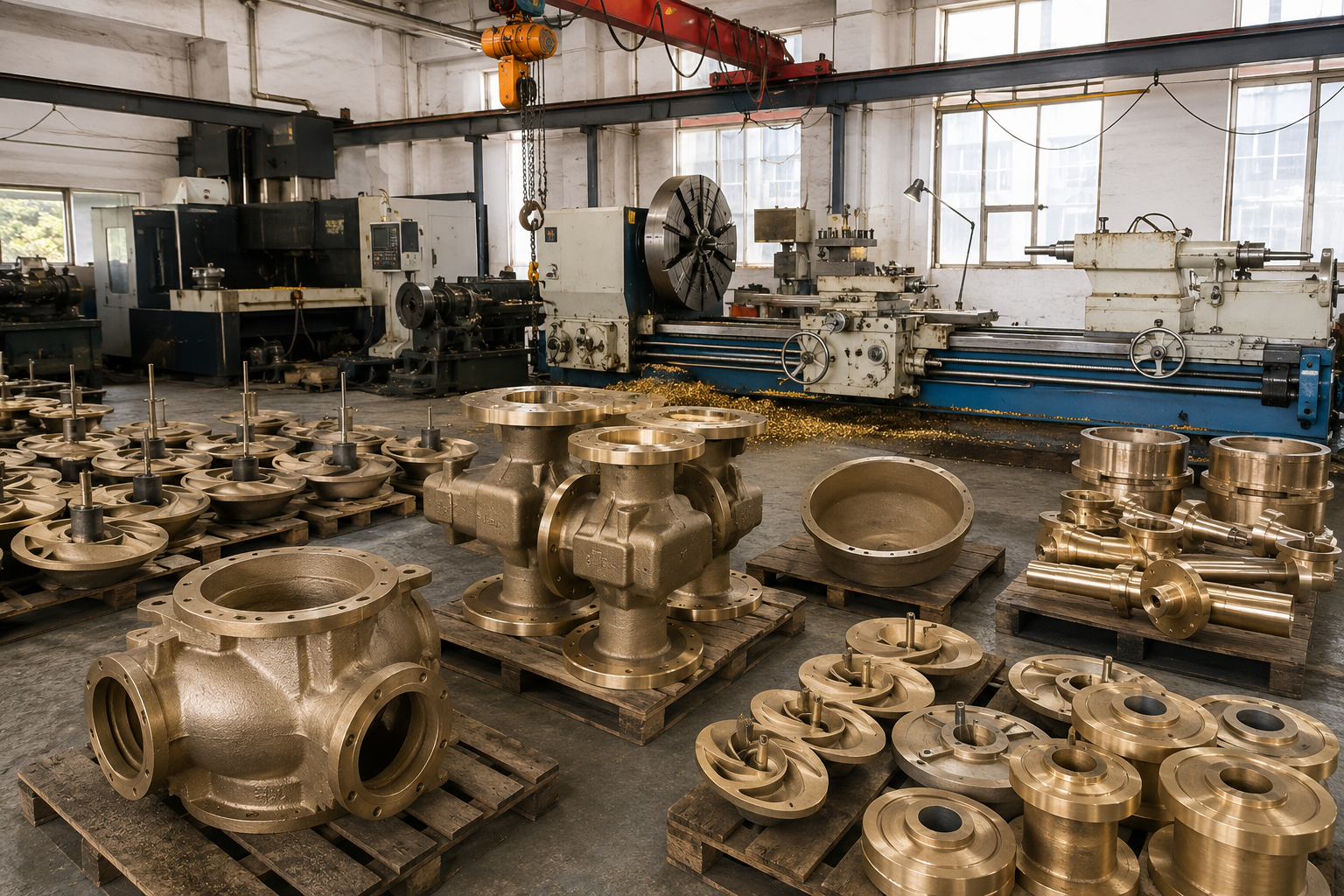
Shanghai Zhenling Hardware Co., Ltd. was established in 2006 and operates a manufacturing base in Jiashan County, Zhejiang. Its client-supplied profile reports an 8,000 m² site, a 6,000 m² plant, and domestic plus export business teams serving custom, non-standard metal parts.
Verified Processing Nodes
CNC Turning CNC Milling CNC Grinding CNC Boring Wire EDM Radial Drilling 3-Axis Machining 4-Axis Machining Imported 5-Axis Centers Export Coordination
01
Engineering Handoff
Submit the controlled drawing, material, quantity, critical features, and intended service. The team can then identify open questions and a provisional route.
02
Manufacturing Fit
Equipment relevance is checked against the actual envelope, access, datum strategy, workholding, and sequence. Longer machine lists aren't always better evidence.
03
Export & Credential
Any required credential must be verified for legal holder, site, number, scope and validity. Destination, export documents and order applicability are confirmed separately in writing.
bronze CNC machining engineering tools
FAQ: questions buyers ask before releasing a bronze machining order
authority scope
NIST Measurement Scope
Supports the traceability answer; not alloy approval or manufacturability by itself.
Start with the function, load, fluid, temperature, mating materials, lubrication, destination market, and any governing standard. Zhenling can review a named grade or help identify the information gap, but material approval stays with the buyer's qualified engineering authority.
There's no responsible universal number for every alloy, size, feature, blank, and inspection state. Send the drawing, datum scheme, critical characteristics, surface finish, mating condition, quantity, and required measurement evidence for a feature-level review.
Both routes may be reviewed when the RFQ defines condition, allowance, identity, inspection, scrap-risk ownership, and the cleanup rule.
It depends on the exact grades, condition, geometry, and service. Compare corrosion, wear, friction, strength, manufacturability, compliance, and supply route, not color.
Insert wear depends on alloy, condition, operation, depth, cutting speed, feed, coolant, tool geometry and observed wear. Confirm those inputs before changing the process; no forum account is used as order-capability evidence.
Purchase definition must state the required condition because splitting, clamping, and assembly load can change shape.
A preliminary discussion is possible, but a controlled quotation needs the missing acceptance information: revision authority, datums, tolerances, threads, finish, notes, and inspection requirements. If the model is authoritative, say how product-manufacturing information and acceptance criteria are communicated.
They're reviewed from material and price date, blank availability, geometry, setups, quantity, tolerances, inspection, outside processes, documentation, packaging, destination, and approval holds. Send the Bronze RFQ Scope Card inputs so competing offers can be compared on the same basis.
![Shop-Floor Carbon Steel CNC Machining Guide [2026]](https://zhenlingmetal.com/wp-content/uploads/2026/08/carbon-steel-cnc-machining-handbook-r2-featured-150x150.png)