Get in touch with Zhenling Company

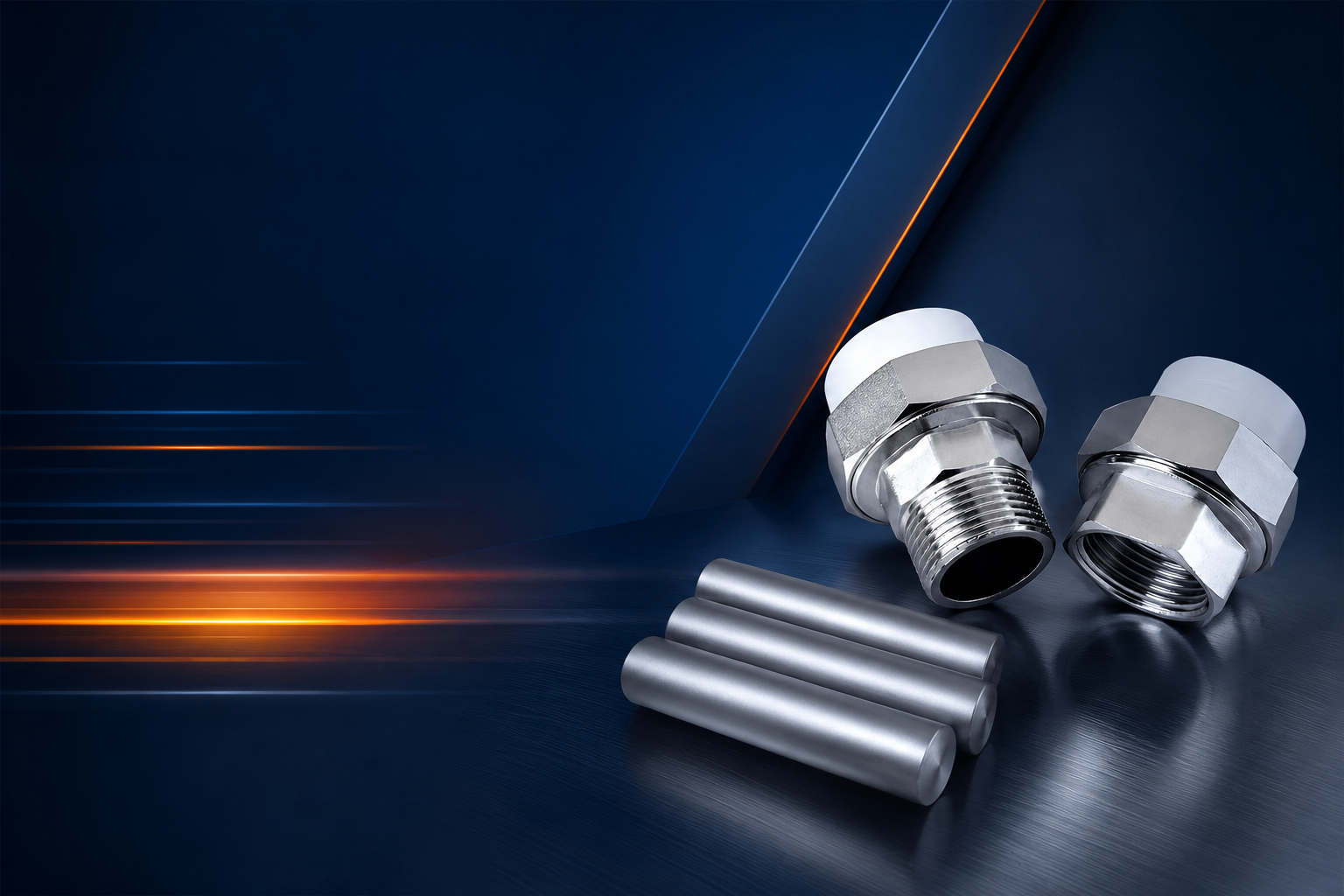
Stainless Steel Passivation Services for Precision Machined Parts
Our stainless steel passivation services page enables the engineering, quality and procurement teams to translate a drawing, material grade, surface condition and verification requirement into a reviewable order scope. The approved quotation defines the responsible processor and the order-specific treatment, verification and release scope. Passivation Services enquiries should include alloy, contamination condition, cleaning or pickling need, verification method and acceptance requirement. Resolve material, geometry and measurement risks first. Price and timing should follow the documented route, not an equipment category.
- Since 2006 Company-provided custom metal manufacturing background
- Drawing Based Non-standard machining and fabrication coordination
- Export Oriented Company-provided experience supporting international projects
Prevent Free-Iron Contamination from Undermining Stainless Steel Parts
Machining tools and shared shop media may transfer free iron and contaminants to the surface of stainless steel; shared handling can add the same contamination risk. A part may appear clean while reactive residue remains on the metal surface.
Passivation Process and Acceptance Checklist
Define contamination risk, cleaning or pickling route, passivation specification, verification method, acceptance criterion, protected surfaces, test owner and required records in the RFQ. A bright machined surface does not prove that contamination risk is controlled. Request a Zhenling drawing and surface-history review to identify the specific cleaning, test and packaging questions that should be addressed in the quotation.
01
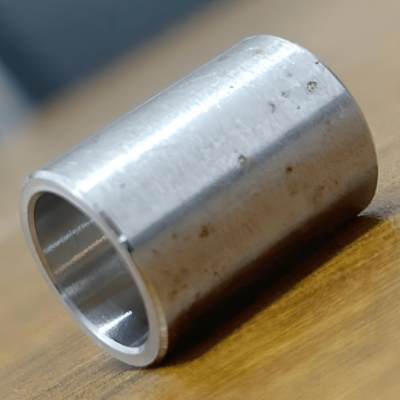
01 Tool and media contact
Ferrous tooling, shop debris or shared blast media can introduce iron contamination after machining. Zhenling’s scope review therefore asks how critical stainless steel parts were cut, ground, welded and handled prior to treatment.
02
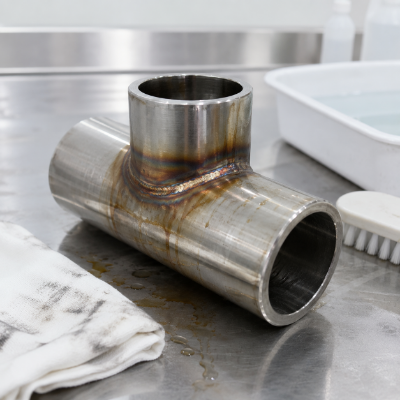
02 Oil, oxide and heat tint
Passivation isn’t a substitute for every cleaning or descaling task. Oil, scale, weld heat tint, oxide and visible rust should trigger a pretreatment question rather than an automatic acid-bath assumption.
03
03 Post-treatment handling
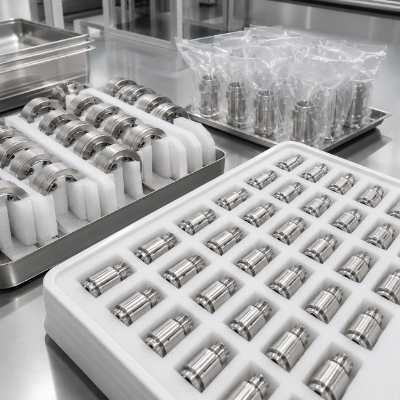
A clean surface can be re-exposed during inspection, bulk handling or packaging. The quotation should define segregation, drying, contact materials and packaging evidence when recontamination would result in release risk.
What passivation can and cannot establish
Passivation is a chemical process and a passivation technique within the wider metal finishing process, not the only finishing process. On stainless steel surfaces, passivation removes free iron and surface contaminants, but this alone does not prove how a corrosion-resistant alloy will perform. The corrosion resistance of stainless steel remains dependent on material, processing and environment; the treatment does not by itself prove improved corrosion resistance.
-
Passivation of stainless steel:confirm that the route can remove contaminants and free iron.
-
Chromium and the protective oxide layer:don’t treat an oxide layer as test evidence.
-
Chemical cleaning and chemical reactivity:distinguish contaminant removal from deliberate base-metal or heavy-oxide removal.
Evidence note:
Modern Machine Shop’s passivation guidance explains machining-related free-iron transfer, cleaning before passivation and the need to match verification to the alloy and acceptance criteria. It’s process control guidance, not evidence of Zhenling’s treatment-line ownership or test capability.
Control the Passivation Scope from Part Review to Verification
A meaningful passivation process scope connects buyer inputs to a documented release decision. It shouldn’t start with an assumed chemistry or finish with an unspecified assertion that the part was “properly passivated.”
Drawing and Acceptance Scope
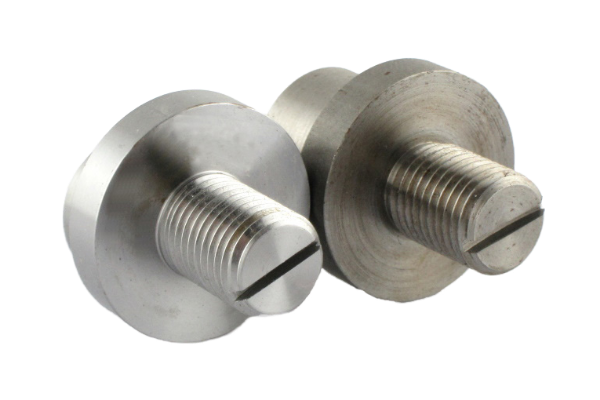
One short drawing note cannot define every process and acceptance risk. Request a Zhenling precision-machined-part scope review because the drawing, material, surface history, specification and test evidence must agree before a quotation is complete.
Step 1
Review
Drawing, revision, stainless steel grade, lot size and starting condition
Step 2
Identify
Oil, free iron, oxide, heat tint, scale, rust and protected surfaces
Step 3
Prepare
Cleaning, descaling, pickling or other pretreatment to confirm
Step 4
Authorize
Buyer-approved or buyer–supplier-agreed treatment route and limits
Step 5
Release
Rinse, dry, verify, record, package and identify release responsibility
Verification is an order decision
- Buyer input: The controlling document, revision, application acceptance basis and any approved-processor requirement.
- Decision to confirm: Chemical passivation route, cleaning sequence, protected features, verification test and sampling plan.
- Evidence to retain: Lot identity, process certificate, test report, traceability, nonconformance disposition and release record.
Route the Part by Material and Surface State
An alloy name alone doesn’t define a complete passivation treatment. Grade, metallurgical condition, machining history, welded areas, critical dimensions and service exposure all change the questions that engineering and quality teams need to resolve.
Grade and Starting Condition
The word “stainless” alone is not enough to select a process route. Request a Zhenling material-and-drawing review so the quote records exact grade, condition, surface finish, acceptance criteria and any unresolved test requirement.
| Buyer input | Risk question | Route-review output | Evidence to request |
|---|---|---|---|
| Exact stainless grade and condition | Is the base material fully identified, including free-machining or precipitation-hardening status? | Applicable specification and permitted method to confirm | Material certificate and drawing revision |
| Machining and grinding history | Could ferrous tooling, shared media or handling have transferred free iron? | Cleaning and segregation requirements | Process route and contamination controls |
| Weld, heat tint, oxide or scale | Is passivation alone sufficient for the observed surface condition? | Pickling, descaling or pretreatment review | Pre-treatment scope and inspection criteria |
| Critical dimensions and surface finish | Could cleaning or surface modification affect a functional feature? | Protected, no-treatment and inspection surfaces | Marked drawing and dimensional report |
| Service environment and failure mode | What must the buyer’s acceptance evidence actually demonstrate? | Order-specific test, sampling and packaging input | Acceptance basis and release record |
-
Submit the exact grade
Zhenling’s company-provided material background includes machining experience with 303, 304, 304L, 316, 316L and 321 stainless steels. This isn’t a universal passivation-method list; the actual grade and condition must still be reviewed for the order.
-
Flag free-machining material
Free-machining grades may need added cleaning, bath and verification attention because composition and machining history affect the surface risk. Carpenter Technology’s technical guidance supports treating this as a material-specific control question.
-
Surface-State Routing Table boundary
This table directs each stainless steel component and stainless steel alloy condition to the next review question; it does not select a chemistry, approve a steel grade or define an application acceptance criterion. ASTM A967/A967M-25 explicitly leaves application-specific suitability decisions outside its scope.
-
When the grade is incomplete
Don’t substitute “stainless” for an exact grade and condition. Hold the route decision open, request the material record and identify whether a quoted method remains conditional on final material confirmation.
-
When the surface history is incomplete
List unknown tooling, grinding, blasting, heat treatment, welding and storage as unresolved inputs. This makes the supplier’s cleaning and inspection assumptions visible before the quotation becomes a purchase order.
Compare Citric, Nitric, Pickling and Electropolishing by the Decision They Solve
These routes aren’t interchangeable labels for one result. A buyer should first identify whether the unresolved need is free-iron removal, oxide and scale removal, or intentional surface modification.
Chemistry and Process Selection
A chemistry preference is not automatically an application rule. Request a Zhenling drawing and specification review to compare the permitted route against material, surface condition, dimensional risk, processor scope and test evidence.
What a controlled alloy study can tell you
A peer-reviewed study compared citric and nitric treatments for 15-5PH and 17-4PH stainless steels at 49°C for 60 or 90 minutes. It found broadly similar passive-layer characteristics and very low, similar corrosion rates under those test conditions, not a universal chemistry winner for every grade.
Condition-limited evidence
Why process purpose still matters
The British Stainless Steel Association distinguishes cleaning, pickling and passivation by purpose. A biomedical study of 316L and 316LVM samples also found that electropolishing changed fatigue behavior under its test conditions while static behavior didn’t change, which argues against a universal ranking.
Purpose before preference
Route to review
Unresolved buyer question
Evidence needed before selection
Do not assume
Citric acid passivation
Is a citric route permitted for the exact alloy and governing order?
Specification approval, responsible-processor scope and verification plan
That citric is universally better, safer or more effective
Nitric acid passivation
Is a nitric route permitted and are processor-site controls within the approved scope?
Specification approval, processor controls and release responsibility
That nitric is universally stronger or required
Pickling before passivation
Are scale, oxide or weld heat tint outside a passivation-only scope?
Surface-condition inspection and defined material-removal boundary
That passivation alone removes every oxide condition
Electropolishing
Is controlled surface removal or surface-finish modification part of the objective?
Dimensional, finish, edge and functional-surface review
That electropolishing is always a substitute for passivation
Route-selection rule:
Submit exact material, starting surface, critical dimensions, permitted specification, and acceptance objective. Zhenling will use that input to organize a quote review, while the approved order shall specify the responsible processor and accepted route.
Processor-site controls belong in qualification
Nitric or citric treatment may include worker exposure, chemical storage, rinsing and wastewater controls that vary by actual processor and jurisdiction. A general machining-factory profile can’t substitute for evidence of the treatment site’s approved scope, environmental controls or release authority.
Processor Action Items
- Ask the quotation to identify the responsible processing site.
- State any customer-approved processor or accreditation requirement.
- Require notice prior to processor, route, or verification method changes.
Use process names as questions, not proof. Buyers comparing chemical passivation services should base passivation requirements on exact stainless steel passivation processes, not generic “quality passivation” or “effective passivation” promises. Nitric or citric acid, an electropolishing process, on-site passivation, or an alternative to passivation must be evaluated based on purpose and processor scope.
Define an Order-Specific Passivation Evidence Package
Specification name isn’t the complete evidence plan. The order must link document revision, permitted treatment, verification method, sampling, acceptance criteria, records, and release authority.
The honest version:
Zhenling will not claim that naming ASTM A967 validates application suitability, and this page will not imply that company certification applies to the responsible processor or released order. Processor ownership, method and release responsibility remain honestly stated as quotation-stage facts until order evidence is provided.
Spec-to-Test Crosswalk
| Order field | Buyer or engineer must define | Quotation status | Release evidence |
|---|---|---|---|
| Governing document | Exact revision of buyer-specified ASTM A967, AMS 2700 or customer document | Submit for review | Certificate references the accepted order requirement |
| Treatment route | Order-permitted citric, nitric or other method and any pretreatment | Confirm before approval | Responsible processor and route identified |
| Verification test | Named method, suitability limits and application acceptance basis | Confirm applicability | Test report with result and disposition |
| Sampling | Lot definition, sample quantity, frequency and retest rule | Quote explicitly | Traceable lot and sampled-part record |
| Records | Certificate, raw result, retention, change and nonconformance requirements | Quote explicitly | Order-specific release package |
Passivation Evidence Menu
-
Identity
Drawing, revision, material heat, lot and quantity
-
Process scope
Responsible processor, site, treatment and protected areas
-
Verification
Method, sample, acceptance basis, result and disposition
-
Traceability
Certificate links the released lot to the approved order
-
Packaging
Drying, contact materials, segregation and export protection
-
Change control
Processor, route, test or material changes requiring notice
How to read ASTM A967/A967M-25
ASTM A967/A967M-25’s active 2025 edition covers alternative chemical treatments for stainless steel parts and qualitative verification methods for their effectiveness. Its scope explicitly notes it is not intended to provide guidance or recommendation on grade, treatment, or acceptance criterion suitability for specific applications.
- Copper sulfate test, water immersion, high humidity exposure, or other named verification method should be treated as an order decision, not a general performance guarantee.
- Qualitative confirmation result doesn’t determine corrosion life in the buyer’s service environment.
- ASTM A380, ASTM A967 and AMS 2700 should not be considered automatically equivalent in aerospace or otherwise.
Keep three qualification layers separate
A
Zhenling company evidence
Company, drawing review, materials, machining, fabrication and project-coordination records. CE or ASME credentials listed in company materials aren’t conclusive evidence of a passivation process or released lot without support.
B
Responsible processor evidence
Actual site, approved treatment scope, bath and inspection responsibility, verification limits, and release records must be specified for the order, not inferred from an online profile.
C
Customer project approval
Approved-processor lists, industry recognition, or project-specific acceptance where buyer requirements demand them. A certificate layer doesn’t silently substitute for evidence required in another layer.
Control Application Risk for Fluid-Control and Custom Machined Parts
The applications of passivation involve different starting surfaces, contamination paths, and documentation risks. These application cards prompt review; they don’t make corrosion claims, service life guarantees, or references to completed Zhenling passivation projects.
Application-Specific Evidence
Acceptance evidence for one component cannot be extended automatically to a different application. Seek a Zhenling precision machining drawing review; it will align each valve, pressure vessel component, or custom part with its true surfaces, specification, test and release risks.
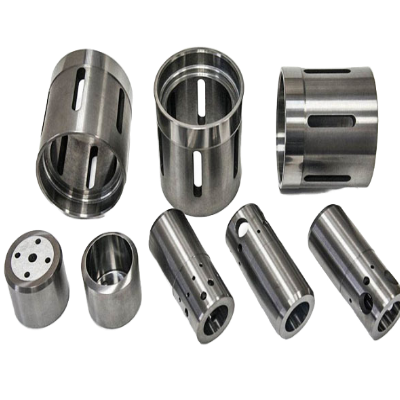
Fluid-control parts
Fluid-control parts
- Risk to review sealing faces, flow passages, trapped chemistry and recontamination.
- Input to provide media, wetted surfaces, finish, cleanliness and no-treatment zones.
- Evidence to request route, verification result, drying and protected packaging.
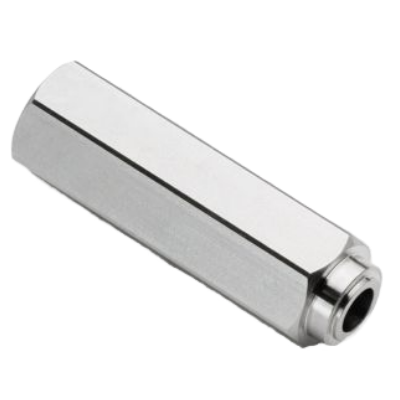
Pressure-vessel components
Pressure-vessel components
- Risk to review weld heat tint, oxide, material identity and conflicting code notes.
- Input to provide weld condition, drawing revision, material traceability and order specification.
- Evidence to request responsible processor, lot release and buyer-required acceptance record.
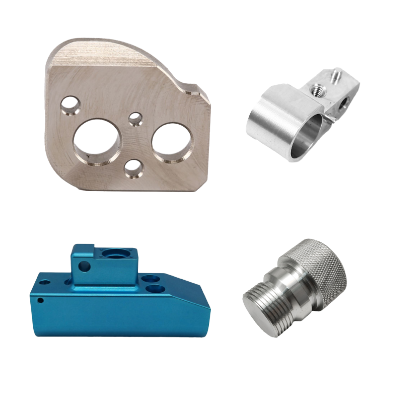
Custom machined parts
Custom machined parts
- Risk to review tool contamination, threaded holes, blind features and critical dimensions.
- Input to provide machining history, surface finish, tolerances, quantity and lot split.
- Evidence to request feature protection, inspection status, segregation and packaging controls.
Company background is not process proof
Company-provided information describes Zhenling as a custom manufacturer established in 2006, with an 8,000 m² factory, a 6,000 m² workshop and experience coordinating machined, welded and assembled industrial components. Those facts support drawing-based manufacturing review; they don’t prove passivation chemistry, treatment capacity, processor accreditation or order compliance.
- Manufacturing evidence supports part and drawing review.
- Processor evidence supports the treatment and verification scope.
- Customer evidence supports project-specific approval and release.
An approved quotation should state who performs the treatment, what scope is authorized, how the lot is verified and who releases it. Ask for that responsibility chain before treating a supplier’s general manufacturing background as evidence.
Compare Passivation Quotes by Scope, Evidence and Delivery Risk
A low unit price can hide missing cleaning, testing, records, packaging or freight responsibilities. Use the RFQ Input Builder to issue the same technical and commercial scope to each passivation company before comparing quotations.
Quote Scope Comparison
Compare price only after the drawing, process boundary, test evidence and delivery responsibility are normalized. Each passivation service quote should identify the drawing, metal passivation services boundary, responsible processor, test evidence and delivery responsibility.
| Quote comparison field | Supplier A | Supplier B | Decision rule |
|---|---|---|---|
| Pretreatment included | Record scope and exclusions | Record scope and exclusions | Compare like-for-like surface starting conditions |
| Verification and sampling | Name method and lot basis | Name method and lot basis | Reject an undefined “tested” statement |
| Records and traceability | List deliverables | List deliverables | Match the buyer’s release package |
| Packaging and logistics | Define responsibility | Define responsibility | Include recontamination and export handling |
| Processor and change notice | Identify site and controls | Identify site and controls | Prevent an unapproved route or site substitution |
No public price or lead-time range is implied.
Passivation cost and delivery depend on material, part geometry, quantity, initial surface, permitted route, testing, documentation, packaging and logistics. Upload the drawing and RFQ fields so Zhenling can return a scope-specific quotation instead of a non-comparable headline price.
Red flag: “standard process”
Ask which document revision, treatment and pretreatment the phrase includes. A standard label without material and surface assumptions isn’t a complete technical scope.
Red flag: “tested”
Ask for the method, sampling basis, acceptance criterion, result format and disposition rule. Testing language without those fields can’t support a like-for-like quote comparison.
Red flag: “delivery included”
Ask where responsibility changes and whether packaging, export documents, freight, moisture protection and final release are included. Commercial completeness is part of delivery risk.
PASSIVATION ENGINEERING TOOLS
Professional calculation, scope comparison, and evidence estimation tools for surface finish engineering.
Turn an Incomplete Passivation Note into a Reviewable RFQ
Send drawing, material, surface history and acceptance requirements for an application-specific quotation review.
Request a Scope ReviewWhat information is needed for a passivation quote?
Give the drawing and revision, exact material grade, dimensions, quantity, starting surface, prior operations, governing requirement, permitted method, testing, sampling, certificate, traceability and delivery target. Include critical or no-treatment surface identification and any approved-processor requirement.
Does machining or welding mean a stainless steel part needs passivation?
Not automatically. Machining and welding can cause free iron, oil, oxide or heat tint; cleaning, pickling, passivation or other route depends on the alloy, surface condition, drawing and service requirement.
How are citric and nitric acid passivation selected?
Selection should follow the exact alloy, buyer specification, permitted method, processor scope and verification plan. Controlled studies can’t support a blanket statement that one chemistry is best for every stainless steel grade or application.
What is the difference between passivation, pickling and electropolishing?
Passivation targets reactive surface contamination and supports a passive oxide film, while pickling addresses scale and oxide through a separate material-removal scope. Electropolishing actively changes the metal surface. The necessary route may include multiple controlled steps, but no assumption should be made.
Can passivation affect dimensions or surface finish?
A passivation-only route isn’t chosen for machining a feature, but handling, cleaning, pickling, electropolishing and other routes can have different surface and dimensional consequences. Identify critical dimensions, finish requirements and protected surfaces on the drawing for review.
Can an order reference ASTM A967, ASTM A380 or AMS 2700?
Yes, a buyer can submit the relevant document and revision for quotation comparison. Don’t assume the documents are interchangeable or that listing a standard alone controls the alloy, route, test, sampling or application acceptance basis.
Which verification tests and records should a buyer request?
Define an accepted method that follows the governing order and suits the part and acceptance basis. Specify lot, sample quantity, result presentation, certificate, traceability, retest, disposition and release responsibility rather than just asking for a generic test report.
What factors affect passivation cost and lead time?
Material, geometry, lot size, initial surface, cleaning or pretreatment, permitted chemistry, protected areas, testing, sampling, documentation, packaging, processor qualification and logistics all influence a quotation. In the absence of those inputs, fixed public figures would be unreliable.
How should finished parts be packaged to reduce recontamination risk?
Order requirements should specify drying, clean contact materials, segregation, cavity or thread protection, moisture control and export packaging as needed. Packaging evidence should be consistent with the failure risk and delivery mode rather than depend on an unspecified “standard pack.”
Is passivation performed in-house or through an approved processing route?
The broad scope of Zhenling’s delivery model hasn’t been publicly confirmed for this page. An approved quotation will identify the responsible processor and the order-specific treatment, verification and release scope before the buyer approves the order.
![Shop-Floor Carbon Steel CNC Machining Guide [2026]](https://zhenlingmetal.com/wp-content/uploads/2026/08/carbon-steel-cnc-machining-handbook-r2-featured-150x150.png)