Get in touch with Zhenling Company



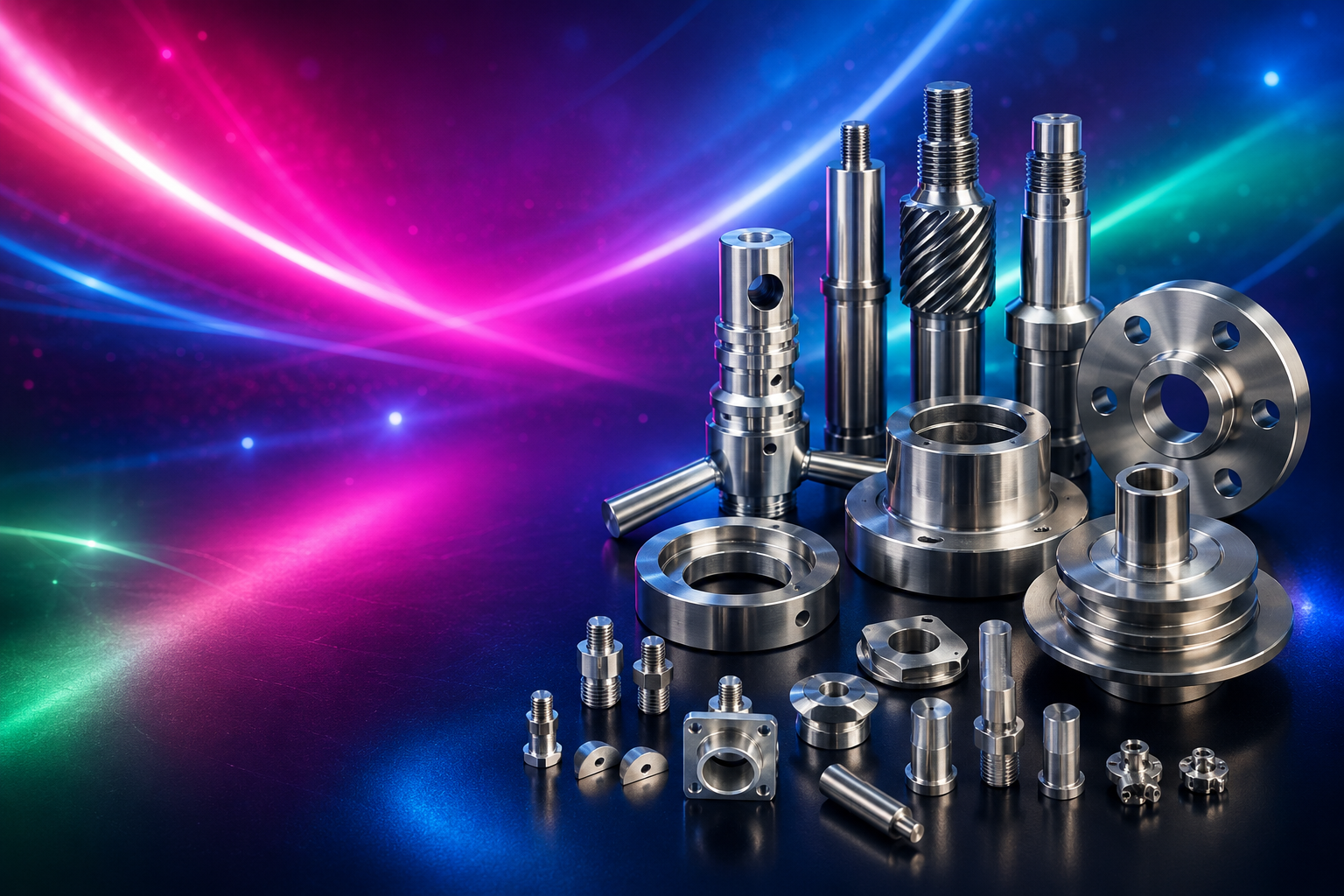
Stainless Steel CNC Machining Services for Production Parts: 7 Grades
Zhenling reviews stainless steel production drawings against grade, material condition, geometry, inspection, surface treatment and order evidence before a quote is finalized. Our practical goal is an accepted part and a usable document package, not a vague promise that stainless steel can be machined. Stainless Steel CNC Machining enquiries should include grade, finish, corrosion environment, inspection points and any regulated application requirements. Treat capability and timing as provisional. Written terms should identify the reviewed route, limits, records and released-part assumptions.
Specifications
Why Stainless Steel Parts Fail in Procurement
A common assumption is that a stainless steel CNC machining order starts with a grade and ends with a drawing. In practice, failures usually begin when the grade, condition, acceptance evidence and quote scope don’t describe the same part.
DECISION TEST
in an illustrative 50 mm valve RFQ, a 1-day clarification can prevent the wrong inspection route. Because ASME Y14.5 drawing rules and order evidence must meet the same CNC part, Zhenling reviews both before pricing; unlike a geometry-only upload, Zhenling asks which tolerance and report close receiving. Request a drawing review.
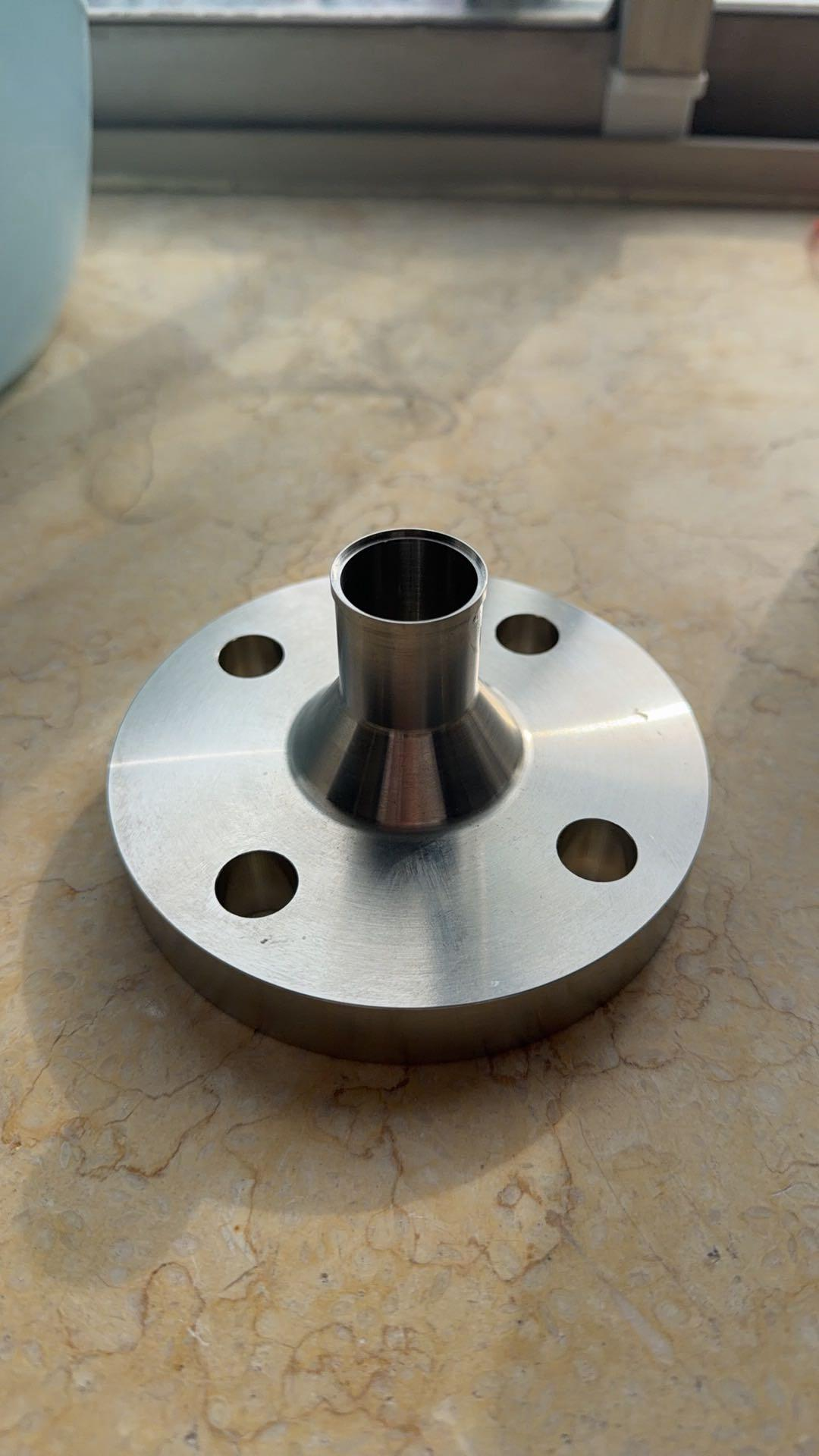
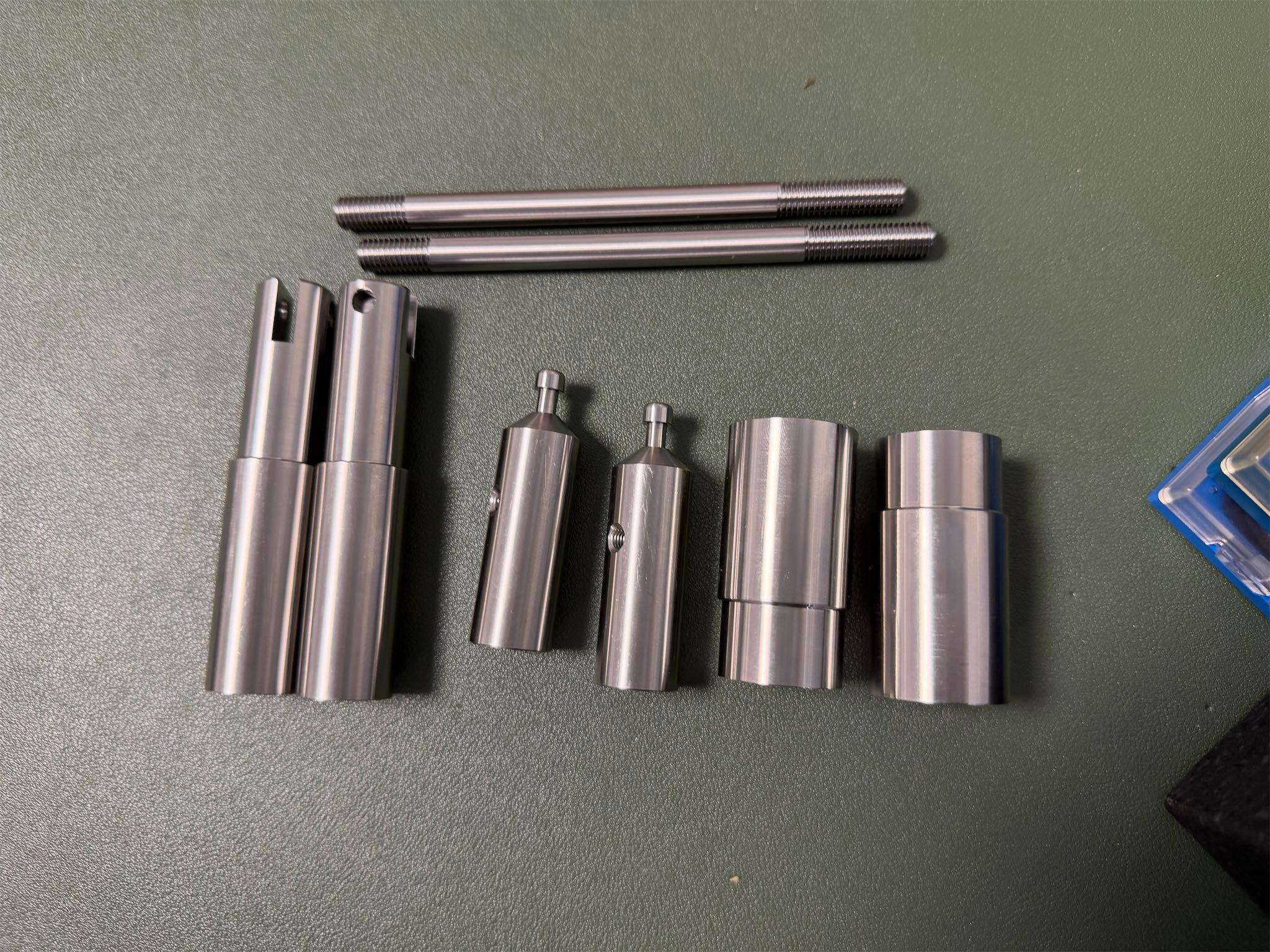
Quote-stage refusal
Buyers report that some shops decline 316L work after quoting because tool wear and cycle-time assumptions weren’t resolved. That trade-off was hidden until the supplier planned the cut.
- State stock condition and hardness information.
- Flag interrupted cuts, thin walls and deep features.
- Ask what changes after process review.
Evidence mismatch
A material certificate can exist while the wrong heat, lot or physical part journey remains unresolved. A transaction record is not necessarily the same thing as traceability to the delivered component.
- Define heat or lot linkage.
- Name any PMI hold point.
- Match reports to part and purchase order.
Acceptance left open
“Passivated” is often written without an acceptance method, leaving receiving inspection unable to close the requirement. ASTM A967/A967M-25 lists treatment and qualitative acceptance options, so the order needs a selected route.
- Name the applicable treatment.
- Name the acceptance test.
- Assign who records the result.
Do not ask only whether a supplier can machine stainless. Ask what evidence closes this drawing, material, lot and acceptance route.
Buyer RFQ Review Checklist
RFQ checklist: drawing revision → material grade and condition → process risks → dimensional and surface acceptance → material and inspection records → shipping and customs documents.
Use this sequence to compare quotation scope; the drawing and purchase requirements determine which records apply to the order.
Start with the missing field
Send the drawing plus the evidence your receiving team expects. Zhenling can return a scoped question list before commercial assumptions harden into the quote.
Request a Drawing ReviewSeven Stainless Grades, Seven Different RFQ Questions
A stainless steel machinability chart is a starting signal, not industry truth for a finished component. Grade, mill condition, hardness, geometry and service exposure change the right machining and acceptance plan.
MATERIAL-FAMILY BOUNDARYStainless behavior begins with chromium and alloy structure, but “non-magnetic” is not a safe blanket description for every austenitic part after cold work. Duplex grades may offer high strength with corrosion advantages in selected service, while automotive fixtures or molding tooling can impose completely different wear, finish and dimensional priorities. ISO 10303-242:2025 provides a neutral product and manufacturing data handoff framework; it does not select the stainless grade for the buyer.
GRADE: 303 AUSTENITIC
WHY A BUYER CONSIDERS IT
Often considered when machinability has more weight than welding or the highest corrosion resistance.
MACHINING RISK TO RESOLVE
Sulfur-assisted chip breaking can help cutting, but the exact condition still controls the process.
SERVICE QUESTION
Will the part face welding, chloride exposure or a corrosion requirement that rules 303 out?
EVIDENCE TO PUT IN THE RFQ
Grade, condition, drawing revision and any corrosion or welding constraint.
GRADE: 304 AUSTENITIC
WHY A BUYER CONSIDERS IT
A widely specified general-purpose choice for fabricated and machined stainless steel parts.
MACHINING RISK TO RESOLVE
Work hardening, built-up edge and thin-wall movement need feature-level planning.
SERVICE QUESTION
Is the exposure mild enough, or does the application need the molybdenum-bearing 316 family?
EVIDENCE TO PUT IN THE RFQ
Stock condition, dimensional datum plan, finish and cleaning requirement.
GRADE: 304L LOW CARBON
WHY A BUYER CONSIDERS IT
Considered where downstream welding and sensitization control matter.
MACHINING RISK TO RESOLVE
Do not assume the “L” suffix removes the same machining risks seen in 304.
SERVICE QUESTION
Which welding procedure, heat input and post-fabrication acceptance apply?
EVIDENCE TO PUT IN THE RFQ
Exact grade suffix, weld map if applicable and post-process inspection.
GRADE: 316 MO-BEARING
WHY A BUYER CONSIDERS IT
Considered for improved pitting resistance in many chloride-bearing environments.
MACHINING RISK TO RESOLVE
316 stainless steel machinability is generally less forgiving than free-machining 303.
SERVICE QUESTION
What chloride level, temperature, stress and cleaning chemistry define the service?
EVIDENCE TO PUT IN THE RFQ
Environment summary, material condition and surface acceptance.
GRADE: 316L LOW CARBON
WHY A BUYER CONSIDERS IT
Common where 316-family corrosion behavior and downstream welding are both part of the design.
MACHINING RISK TO RESOLVE
Long stringy chips, work hardening and burr control can drive tool and cycle planning.
SERVICE QUESTION
Is corrosion performance being assumed from grade alone without surface and fabrication controls?
EVIDENCE TO PUT IN THE RFQ
Grade suffix, service boundary, weld requirement and passivation instruction.
GRADE: 321 STABILIZED
WHY A BUYER CONSIDERS IT
Often evaluated for elevated-temperature or welded service where a stabilized grade is relevant.
MACHINING RISK TO RESOLVE
Tooling and parameters still need the supplied condition and feature geometry.
SERVICE QUESTION
What temperature cycle and fabrication sequence does the design authority require?
EVIDENCE TO PUT IN THE RFQ
Applicable material specification, condition and heat-related acceptance notes.
GRADE: 904L HIGH ALLOY
WHY A BUYER CONSIDERS IT
Evaluated for demanding corrosion service when the design justifies a higher-alloy stainless.
MACHINING RISK TO RESOLVE
Material cost and machining effort make early proof of grade and acceptance especially valuable.
SERVICE QUESTION
Has the design authority confirmed 904L rather than a duplex or nickel-alloy alternative?
EVIDENCE TO PUT IN THE RFQ
Full material specification, approved substitution rule and PMI requirement.
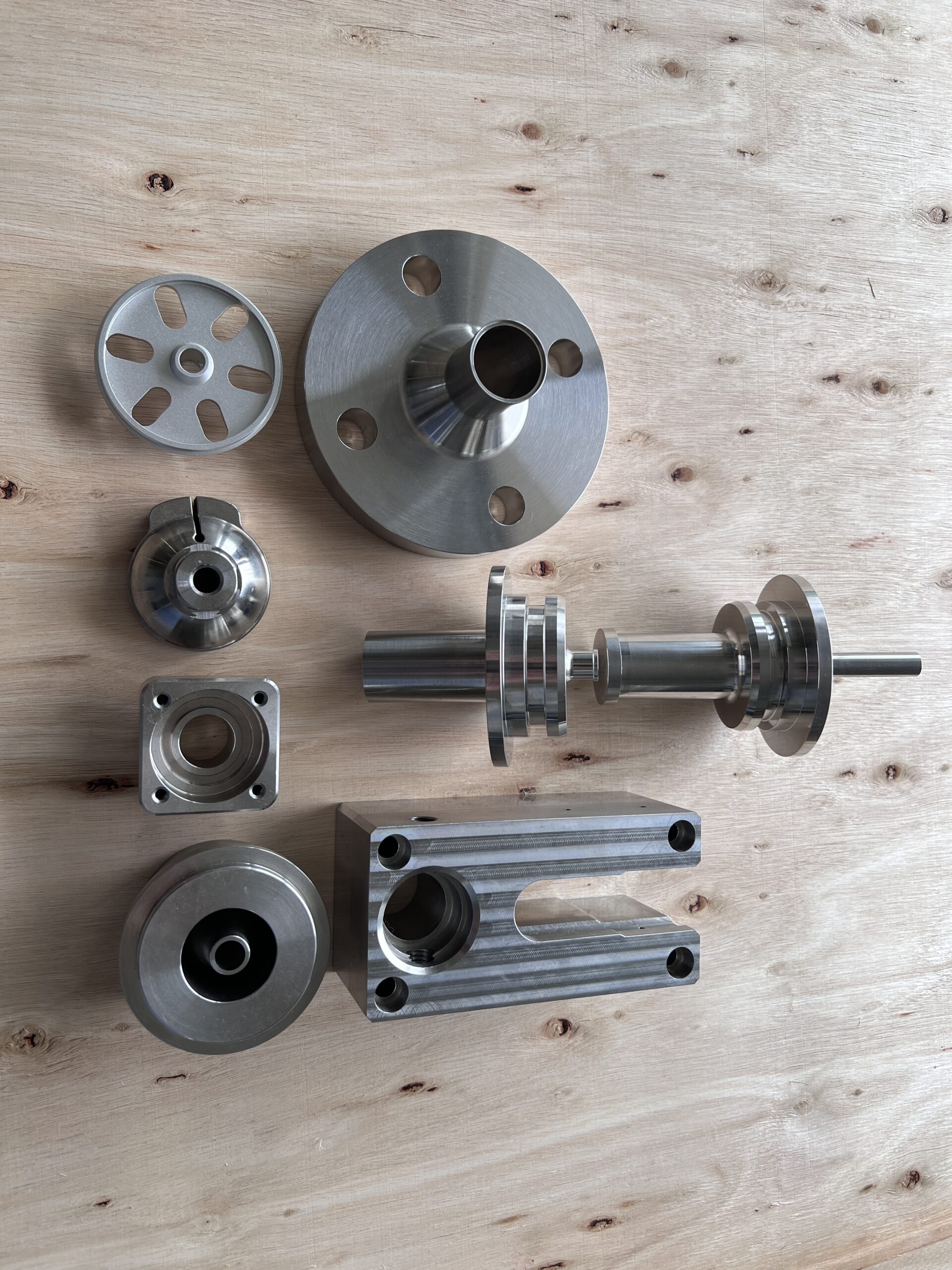
DECISION .01
303 vs 304 stainless steel
Choosing the easier-to-machine grade isn’t always the right call. If welding or corrosion requirements disqualify 303, its chip-control advantage doesn’t rescue the part.
- Resolve service first.
- Resolve fabrication second.
- Then compare cutting effort.
DECISION .02
304 or 316
Molybdenum in 316 can support pitting resistance, but grade alone doesn’t guarantee resistance to stress corrosion cracking. Environment, tensile stress and surface state still matter.
- Record chlorides and temperature.
- Identify tensile-stress sources.
- Define surface treatment.
DECISION .03
Duplex stainless steel machining
Duplex and super-duplex materials are a separate decision family, not silent substitutes for the seven grades above. Their phase balance, strength, welding route and service specification need a dedicated review.
- Don’t force-fit austenitic parameters.
- Confirm the material standard.
- Keep substitution approval explicit.
Download the 7-Grade Stainless RFQ Worksheet
Use the matrix to mark service conditions, machining risks and evidence fields before asking suppliers to compare price.
STAINLESS ALLOYS
PRECISION CNC
Stainless Steel Alloys and Precision CNC Machining Terms to Clarify
Search language can help a buyer find a supplier, but it cannot close a material callout, drawing or inspection plan. Translate broad phrases into controlled RFQ fields before comparing offers. For the drawing-and-model handoff, ISO 10303-242:2025 provides a neutral product-data framework; it does not select the alloy, tolerance or inspection plan.
Search Parameter 01
“stainless steel 303,” “stainless steel 304,” “stainless steel 316,” “stainless steel 430,” “stainless steel 201,” 17-4 or “common stainless steel”
Why incomplete WARNING
These labels span austenitic stainless steel, ferritic stainless steels, precipitation-hardening material and other families. A martensitic stainless grade would be another separate decision, not an equivalent substitute.
What belongs in RFQ REQUIRED
State the exact stainless steel grade, governing standard, supplied condition, approved-equivalent rule and required material record.
Search Parameter 02
precision CNC, precision CNC machining, high-precision CNC machining, CNC machined stainless steel, CNC machined stainless steel parts, custom parts or metal parts
Why incomplete WARNING
These phrases describe a supplier or process category. They do not define datum relationships, feature risk, tight tolerances or the inspection method needed to accept the part.
What belongs in RFQ REQUIRED
Attach the controlled drawing and model; identify critical features, quantities, surface requirements, sampling and report format.
Search Parameter 03
good corrosion resistance, excellent corrosion resistance, superior corrosion resistance, exceptional corrosion resistance or simply “corrosion-resistant”
Why incomplete WARNING
Marketing language does not define exposure to chlorides, temperature, tensile stress, cleaning chemistry, corrosion and oxidation, or the required balance of strength and corrosion resistance.
What belongs in RFQ REQUIRED
Record the service environment, design authority’s material decision, fabrication route, surface treatment and acceptance test.
Search Parameter 04
surgical instruments, medical applications, aerospace, automotive or industrial equipment applications
Why incomplete WARNING
An end-use label does not prove qualification, process approval or suitability. The same steel grade can carry different evidence duties under different customer and regulatory systems.
What belongs in RFQ REQUIRED
Name the applicable customer specification, controlled process, inspection evidence, traceability, approval and release authority.
Search Parameter 05
easy to machine, easier to machine, tools to cut stainless, CNC milling and turning, or general machining needs
Why incomplete WARNING
Those phrases cannot set a universal recipe. Formability, ductility, stock condition, feature geometry, workholding, machine rigidity, coolant and tool engagement all affect the route.
What belongs in RFQ REQUIRED
Provide material condition and geometry, then ask the supplier to return a controlled process and verification plan rather than a generic feed chart.
Turn a search phrase into an RFQ field
Send the phrase, drawing and unresolved acceptance question. Zhenling can separate the supplier-search label from the requirement that must appear in the quote and purchase order.
Clarify the RFQMachinability, Work Hardening and Cutting Parameters
The direct answer is that you can’t reduce milling stainless steel speeds and feeds to one safe web number. Cut parameters depend on grade, hardness, machine rigidity, tool geometry, depth of engagement, coolant delivery and the feature being made.
Feature-first decision: a 50 mm valve pocket with a 2 mm web creates deformation, wear and inspection risk because cutting heat and work hardening act on the local feature. Zhenling treats the cited 316L research and ASME Y14.5 tolerance language as evidence inputs for CNC turning and milling; unlike a universal feed chart, Zhenling ties the process window to the drawing. Request a machining review.
Machining Review Steps
-
1. Confirm stockGrade, form, condition and available hardness data
-
2. Classify the featureThin wall, deep pocket, interrupted cut, bore or thread
-
3. Set the tool systemCarbide grade, insert geometry, holder and coolant path
-
4. Prove the windowMonitor chip, wear, burr, size and surface response
Work hardening
Rubbing or repeated light contact can harden the next layer before it’s cut, raising tool wear and dimensional risk. A sound fix isn’t automatically “slow everything down”; it’s stable engagement with a process that keeps cutting.
- Avoid dwelling at the surface.
- Keep workholding rigid.
- Plan entry and exit conditions.
Heat and chip control
Stainless steel can retain heat near the cutting edge, while ductile austenitic grades form persistent chips. Grade-specific tooling and high-volume coolant are recurring recommendations in the reviewed Modern Machine Shop guidance.
- Direct coolant to the edge.
- Keep chips away from the recut zone.
- Inspect wear before size drifts.
Surface integrity
Machining can change roughness, deformation and residual stress near the surface. Peer-reviewed work on machined 316L and stress-corrosion cracking supports treating machining as one input in a material, environment and stress system, not the sole cause.
- Link finish to service.
- Control burrs and embedded contamination.
- Keep the causal claim qualified.
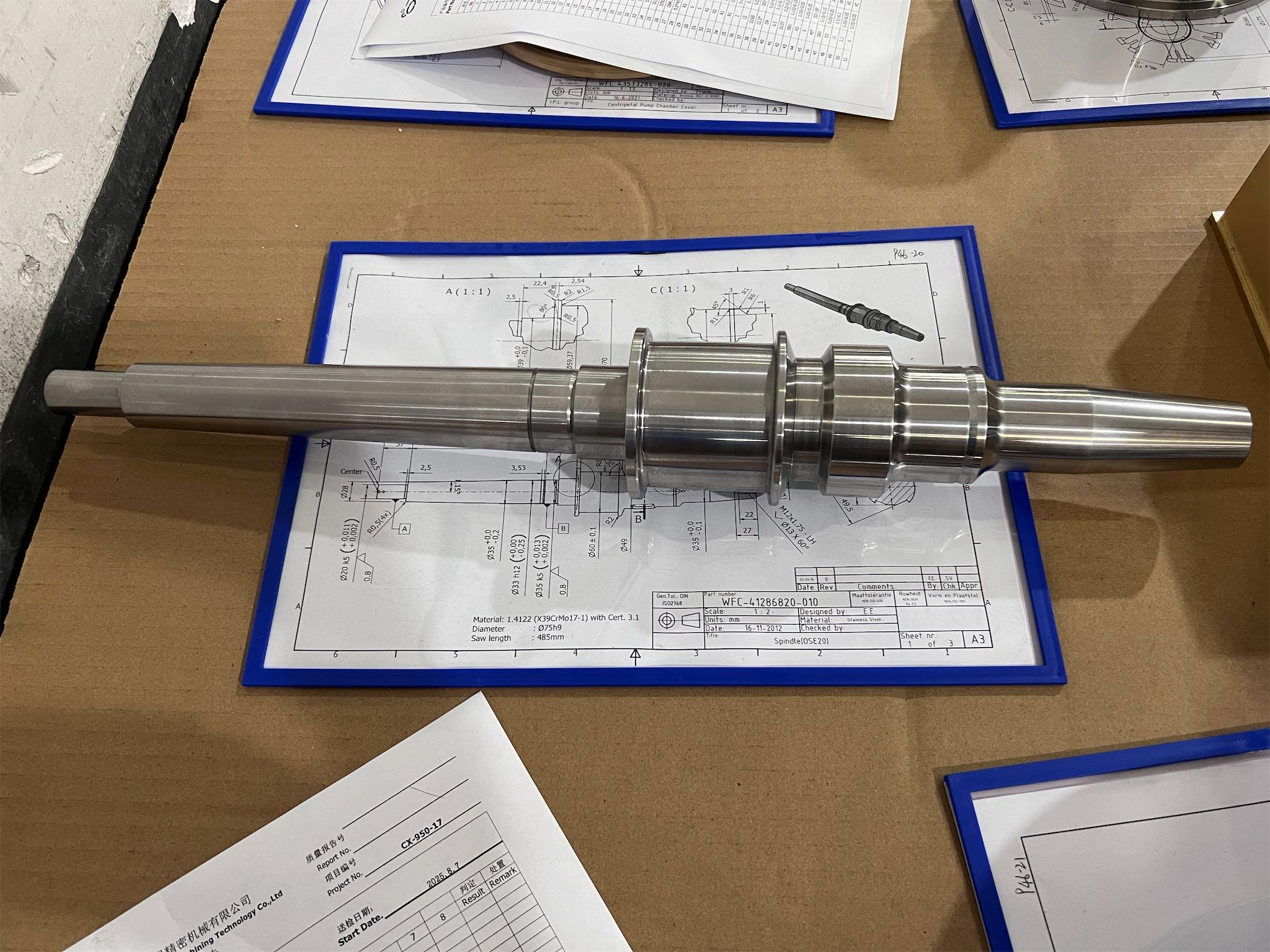
Parts and RFQ Acceptance Paths
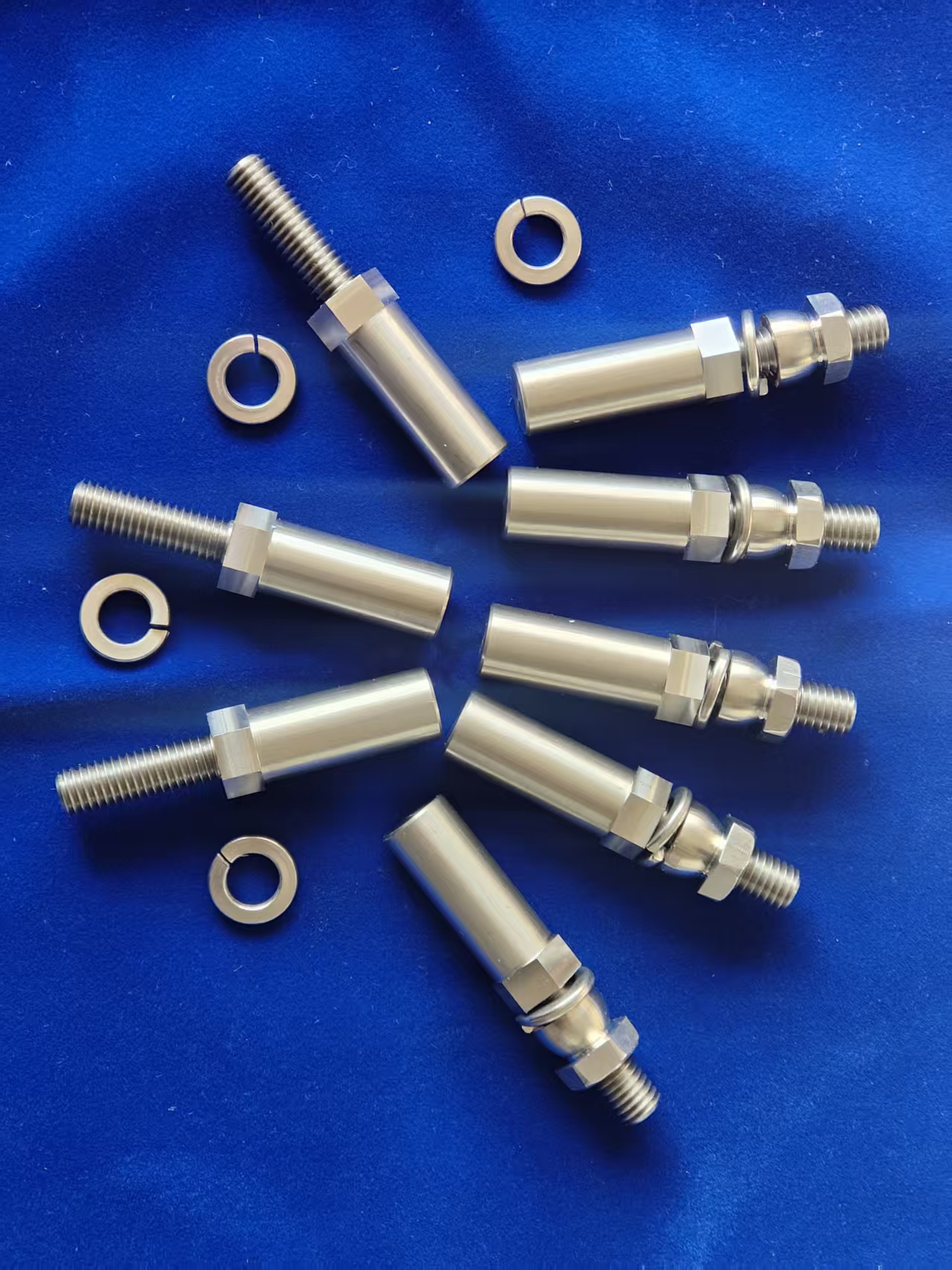
Zhenling discusses flanges, valve bodies, rolls, bends and plugs as drawing-led RFQ classes. This page won’t claim a universal tolerance or customer result because independent evidence can’t prove a Zhenling-specific outcome.
CASE 01
Illustrative RFQ: 50 mm flange
Click To Review
SPECIFICATIONS
50 mm flange details
A buyer submits a 50 mm nominal-bore flange with a sealing-face requirement but no measurement method. Here, the risk isn’t the missing marketing tolerance; it’s that supplier and receiving inspection could use different methods.
- Confirm datum and face specification.
- Name the measurement method.
- Link the result to the drawing revision.
CASE 02
Illustrative RFQ: 316L valve body
Click To Review
SPECIFICATIONS
316L valve body details
A valve body drawing names 316L and passivation but does not name the ASTM A967 acceptance test. Resolution requires a purchase-order clarification before machining, not an after-the-fact certificate request.
- Confirm heat or lot evidence.
- Select passivation treatment and test.
- Separate component acceptance from material evidence.
CASE 03
Illustrative RFQ: long roll
Click To Review
SPECIFICATIONS
Long roll details
A long roll carries a tight runout callout without a datum simulation or support condition. Zhenling would treat the setup and verification method as quote inputs because a 1 mm support change can alter a slender-part reading.
- Define datum simulation.
- Agree support condition.
- Record the inspection setup.
Standards boundary: ASME Y14.5 supplies drawing and geometric-tolerancing rules, while ISO 10303-242:2025 addresses managed engineering, product-manufacturing and inspection data. Neither source proves a supplier’s specific tolerance capability.
Turn a part name into an acceptance route
Send the drawing, revision, quantity, material condition and reports required at receiving. The returned question list is more useful than a generic parts gallery.
Prototype Platform or Production Supplier?
Buyers struggle to compare a prototype-platform quote with a production-supplier quote when inspection and documentation are scoped differently. A displayed unit price is not always the best cost per accepted part.
DECISION FACTORS
Best fit
PROTOTYPE PLATFORM
Fast design iteration and low-context prototype buying
DRAWING-LED PRODUCTION SUPPLIER
Repeat orders where process, evidence and shipping scope need continuity
BUYER TEST
Is the job primarily learning, or repeatedly receiving accepted parts?
Quote input
PROTOTYPE PLATFORM
Often geometry and selected options
DRAWING-LED PRODUCTION SUPPLIER
Geometry plus material condition, inspection, finish, documentation and logistics
BUYER TEST
Which requirements are absent from the visible unit price?
Change handling
PROTOTYPE PLATFORM
Convenient new-upload cycle
DRAWING-LED PRODUCTION SUPPLIER
Revision and process-effect review can be tied to the production route
BUYER TEST
Who decides whether a revision changes tooling, inspection or evidence?
Evidence continuity
PROTOTYPE PLATFORM
Varies by platform and order option
DRAWING-LED PRODUCTION SUPPLIER
Can be scoped around heat, lot, report and purchase-order linkage
BUYER TEST
Can receiving trace every required record to the delivered lot?
Commercial comparison
PROTOTYPE PLATFORM
Fast quoted part price
DRAWING-LED PRODUCTION SUPPLIER
Quote normalized against accepted-part and replenishment assumptions
BUYER TEST
What is the denominator: shipped part or accepted part?
Cost-per-Accepted-Part Worksheet
A low unit price can omit PMI, inspection reports, packaging, customs treatment or expedited replacement risk. This worksheet makes those assumptions visible without inventing a public savings percentage.
- Quoted parts and accepted parts
- Tooling and inspection charges
- Documentation and third-party checks
- Freight, duty and brokerage inputs
- Reinspection, rejected lot and line-stop inputs
BUYER-INPUT FORMULA
Total order, inspection, documentation, logistics and disruption cost ÷ accepted parts available for use.
Use actual quote and receiving data. Zhenling won’t claim an industry-wide savings rate.
Hidden bottleneck: the ERP may identify the transaction while the physical lot journey remains incomplete. That reviewed Supply Chain Management Review analysis is why the worksheet separates document presence from order-level linkage.
Normalize two quotes before choosing one
Ask for the Cost-per-Accepted-Part Worksheet and compare the same inspection, evidence, logistics and replacement assumptions.
Tolerances, Inspection, Passivation and Material Traceability
A dimension, a material record and a passivation report answer different questions. Zhenling scopes them as separate acceptance objects because combining them under “quality documents included” creates an avoidable gap. The reviewed lot-level traceability analysis reinforces the need to follow a component’s physical journey instead of relying on a transaction record alone.
Lot-level decision: for an illustrative 50 mm valve body from 1 lot, the risk is a report that cannot be linked to the delivered part. Because ASTM A967 and ISO 10303-242:2025 address different acceptance and data objects, Zhenling separates CNC inspection, material identity and surface records; unlike a bundled certificate promise, Zhenling asks which proof the buyer will accept. Request a traceability review.
Traceability Review
01
Identity
Grade, heat or lot, condition and ordered material document
02
Geometry
Drawing revision, datums, tolerances and measurement method
03
Surface
Roughness, cleaning, passivation treatment and acceptance test
04
Special checks
PMI, NDT or third-party inspection only when the order calls for it
05
Release
Report-to-part linkage, deviations and shipping document set
Material document
An EN 10204 Type 3.1 inspection document can be specified for material evidence when applicable. It isn’t automatically pressure-code approval, component certification or proof that the physical lot stayed linked through every operation.
- Name the ordered document type.
- Define heat or lot linkage.
- Confirm any customer-specific fields.
02
EN 10204
Positive material identification
PMI can test alloy identity at a selected stage, but the method, sample plan, witness and acceptance action belong in the order. The presence of PMI doesn’t replace dimensional or surface acceptance.
- Define instrument or method if controlled.
- Set the sampling level.
- State what happens after a mismatch.
03
PMI TEST
Passivation acceptance
ASTM A967/A967M-25 provides multiple qualitative acceptance methods, including water-immersion, humidity, salt-spray and other tests. The right test depends on the order, so “ASTM A967 passivation” alone is incomplete.
- Select the treatment route.
- Select the acceptance test.
- Record the result against the lot.
04
ASTM A967
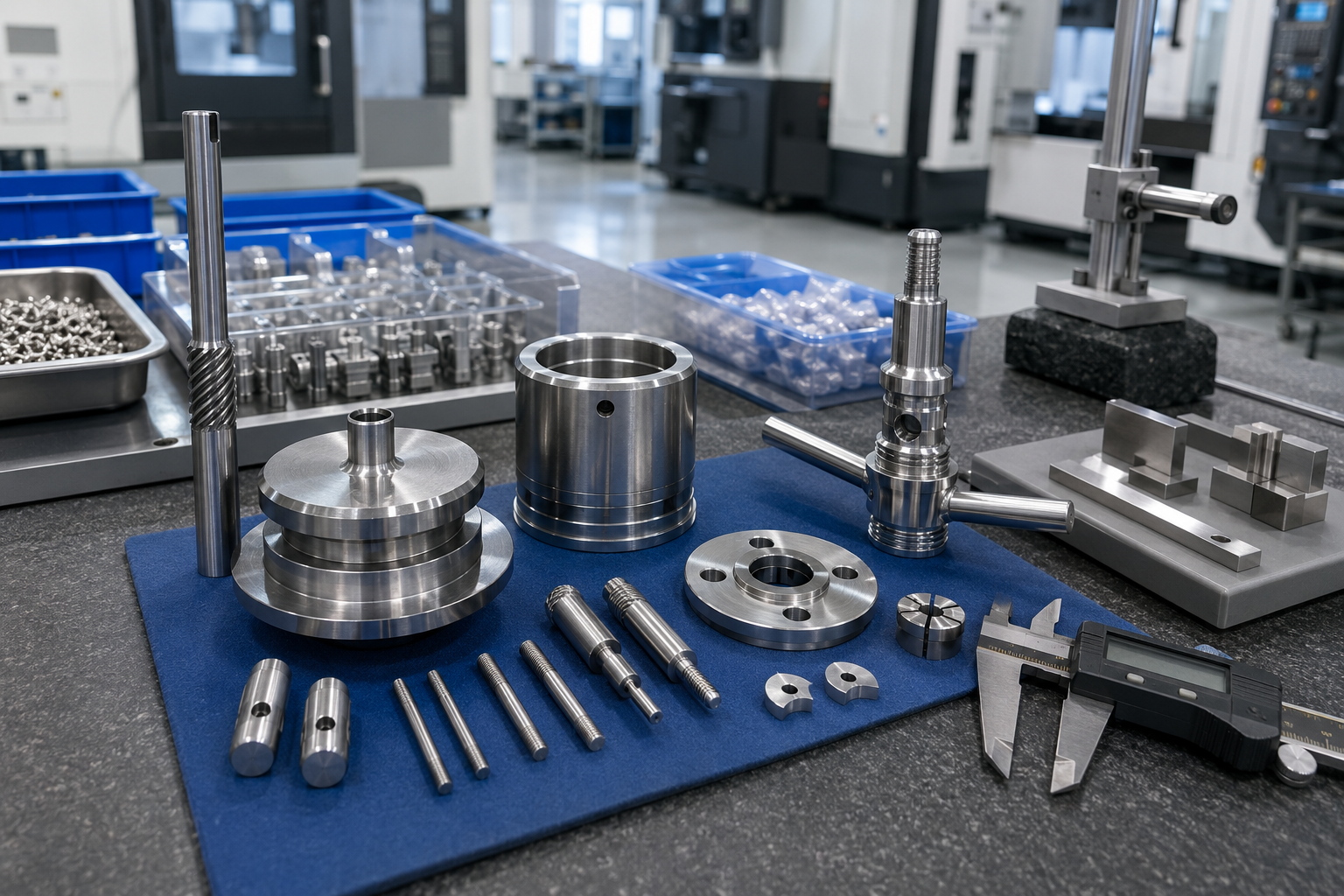
Acceptance Stack Protocol:
Material identity
Dimensional evidence
Surface acceptance
Special checks
Release package
The differentiator is not a larger pile of certificates; it is the absence of silent substitutions between these layers.
Request the Material Traceability Checklist
Use it to assign grade, heat or lot, PMI, dimensional report, passivation test and third-party hold points before the purchase order is released.
Get the ChecklistCertificate Scope and Export Compliance
Zhenling won’t claim generic CE, ASME or PED coverage on this page. Official sources show that conformity and authorization evidence is tied to the product requirements, legal entity or location, certificate type, number, scope and validity.
Scope-first decision: a 1-day customs delay on a 50 mm machined valve can expose a wrong entity, origin or invoice assumption. Because official CE and ASME records are product-, location- and scope-specific, Zhenling treats each credential as evidence to verify; unlike a generic badge, Zhenling will not claim coverage without the matching record. Request a document-scope review.
CE marking
The European Commission places responsibility on the manufacturer to identify applicable rules, assess conformity, compile technical documentation and issue the EU declaration of conformity. CE isn’t a universal factory credential for every machined part.
- Identify the applicable product legislation.
- Match the legal manufacturer.
- Review declaration and product scope.
ASME authorization
The ASME certificate-holder search exposes company, location, certificate type, number, status, scope and dates. ASME also states in its certification FAQ that authorization is valid only for the shown location.
- Match the legal entity and location.
- Match certificate type and scope.
- Check current status and expiration.
Customs treatment
19 CFR 141.86 requires detailed invoice information such as merchandise description, grade or quality, quantities, value, charges and origin. It doesn’t create one HTS code or duty rate for all stainless steel machined parts.
- Classify the finished article.
- Confirm origin and current treatment.
- Have the importer or customs professional decide.
Claim being evaluated
Buyer verification field
What it does not prove
Claim
CE conformity
Verification field
Applicable legislation, declaration, legal manufacturer, product and notified-body role when applicable
Does not prove
Generic shop approval for unrelated parts
Claim
ASME authorization
Verification field
Company, location, certificate type, number, status, scope and expiry
Does not prove
Automatic approval of every component or material lot
Claim
Material inspection document
Verification field
Document type, material specification, heat or lot, test values and order link
Does not prove
Pressure design approval or complete chain of custody
Claim
HTS and Section 301 review
Verification field
Finished article, classification, origin and current official treatment
Does not prove
A universal percentage based only on “stainless steel CNC part”
Official lookup path:
use the United States International Trade Commission tariff schedule and U.S. Customs and Border Protection Section 301 guidance with the facts of the finished article. A supplier’s estimate does not replace the importer’s classification responsibility.
Ask for scope, not a badge
Send the destination, finished-part description and required compliance evidence. Zhenling can scope the supplier-side documents while leaving legal classification to the responsible importer and adviser.
Review Document Scope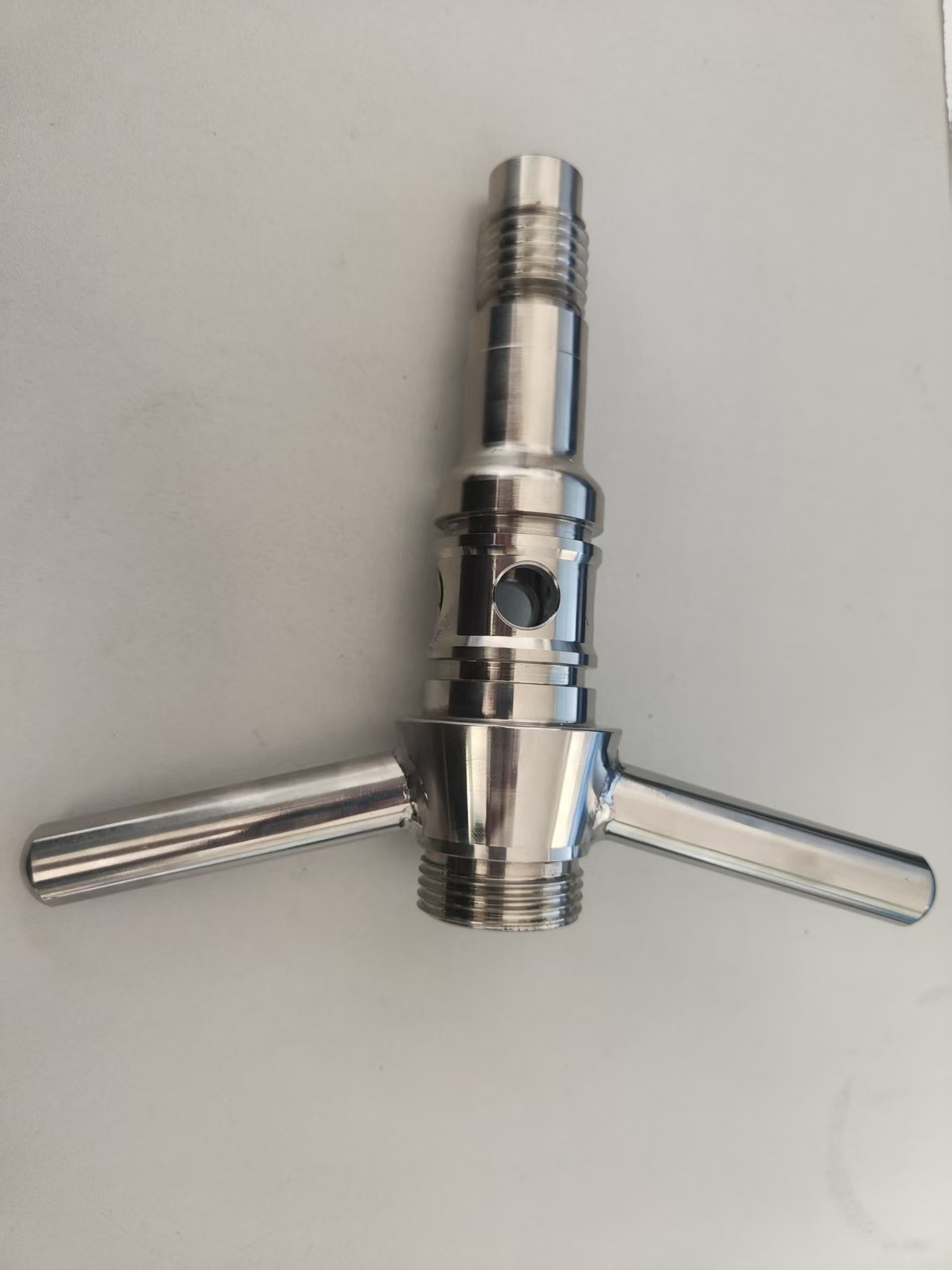
SPECIFICATION
ISO-10303
What Drives Price, Lead Time and Order Fit?
The total cost of stainless steel CNC machining follows the complete manufacturing route, not a simple hourly charge. Raw-material condition, removed volume, workholding, tool access, tolerance, inspection, surface treatment, required documents, quantity and replenishment pattern all move the quote.
Comparable-quote decision: for an illustrative 50 mm valve and a 2-day inspection hold, the pricing risk comes from missing scope because CNC setup, report content and release timing are linked. Zhenling compares the drawing and accepted-part denominator; unlike a bare unit price, Zhenling shows which production, tooling and tolerance assumptions are included. Cost scope should reference the applicable ASME Y14.5 dimensioning and tolerancing requirements instead of an undefined “standard tolerance.” Request a scoped quote.
PARAM 01
Material and geometry
A higher material price can be only part of the cost because slow metal removal, thin-wall control or poor tool access can dominate the cycle. A cheaper grade doesn’t necessarily produce a cheaper accepted part.
Net-to-stock volume
Wall and feature stability
Grade and supplied condition
PARAM 02
Inspection and evidence
A 10-characteristic report and a full drawing balloon are different workloads, even for the same part. PMI, passivation tests and third-party witness points also change scheduling and release time.
Characteristic count
Report format
Hold and release points
PARAM 03
Quantity and replenishment
A prototype, low-volume run and repeat production order carry different setup and learning assumptions. Zhenling reviews whether a sample proves the route and whether the next release can reuse tooling and inspection planning.
Sample purpose
Release quantity
Forecast and revision stability
Drawing review
Missing fields and feature risk
Process scope
Operations, tooling and workholding
Acceptance scope
Inspection, surface and records
Commercial scope
Quantity, delivery, packaging and terms
No hidden universal minimum order: order fit depends on setup content, material procurement, inspection burden and repeat demand. A single complex part may require more commercial preparation than a larger repeat batch, so the right call follows drawing review.
Send enough information for a comparable quote
Include drawing and model, material and condition, quantity, delivery destination, inspection records, surface treatment, packaging and commercial terms.
Get a Scoped Quote
EVALUATION_PROTOCOL // STAINLESS_STEEL
Stainless Steel Engineering & Procurement Toolkits
Evaluate material machinability, ensure compliance traceability, and expose hidden costs with our analytical frameworks designed for critical fluid handling and OEM components.
MOD .01
7-Grade Stainless Steel RFQ Builder
Configure grade, condition, and tolerance requirements systematically tailored for austenitic, martensitic, or duplex stainless geometries before quoting.
MOD .02
Traceability, PMI & Passivation Checklist
Audit mill certs, verify Positive Material Identification (PMI), and ensure ASTM A967 passivation compliance for demanding service environments.
MOD .03
Cost-per-Accepted-Part Calculator
Expose hidden supply chain bottlenecks by modeling actual landed costs, documentation, and logistics inputs against visible quoted unit prices.
FAQ: Stainless Steel CNC Machining
These answers separate the questions Zhenling can address at RFQ stage from decisions that remain with the buyer, design authority, importer or applicable code party.
FAQ.01
Can stainless steel be CNC machined?
Can stainless steel be CNC machined?
Yes. CNC turning, CNC milling, drilling, threading and related operations are routinely applied to stainless steel, but process difficulty varies by grade, condition and geometry. A useful RFQ states more than “stainless”: include the exact grade, material form, hardness information when available, drawing revision, quantity, finish and inspection requirements.
FAQ.02
Do “CNC machining stainless steel” and “CNC stainless steel machining” mean different services?
Do “CNC machining stainless steel” and “CNC stainless steel machining” mean different services?
No. Buyers use both word orders, along with “stainless steel machining services,” for the same broad supplier intent. A useful distinction comes from the operation and order scope: turning versus milling, prototype versus repeat production, and a bare machined part versus an order that includes inspection, material evidence, passivation and export documents.
FAQ.03
Is 304 or 316 more machinable?
Is 304 or 316 more machinable?
304 and 316 are both machinable, but a universal percentage can be misleading because reference bases and stock conditions differ. 316 is commonly treated as less forgiving than 304, while 303 is selected when machinability has extra weight. Service corrosion, welding and material specifications should decide the grade before cutting convenience does.
FAQ.04
Is 316L easier to machine than 316?
Is 316L easier to machine than 316?
The lower carbon suffix primarily addresses material behavior associated with welding and sensitization; it shouldn’t be treated as a promise of easier cutting. Supplied condition, hardness, tool engagement, chip evacuation and feature geometry can matter more to the machining plan. Ask the supplier to review the actual mill condition and drawing.
FAQ.05
What should a stainless steel machining supplier receive with the RFQ?
What should a stainless steel machining supplier receive with the RFQ?
Provide a controlled drawing and model, grade and material condition, annual and release quantities, delivery location, finish, passivation instruction, dimensional reporting, material-document type, PMI or third-party hold points, packaging and commercial terms. If an item is undecided, label it open rather than allowing each bidder to make a different assumption.
FAQ.06
What does ASTM A967 passivation prove?
What does ASTM A967 passivation prove?
ASTM A967/A967M-25 defines passivation treatments and qualitative acceptance methods for stainless steel parts. A report is meaningful only when the order identifies the applicable treatment and acceptance route and links the result to the delivered lot. It does not prove material identity, dimensional compliance or pressure-code approval by itself.
FAQ.07
Does an EN 10204 Type 3.1 document certify the finished component?
Does an EN 10204 Type 3.1 document certify the finished component?
No. It’s a material inspection document ordered to a defined material requirement. Component acceptance may also need traceability linkage, dimensional records, surface-treatment results, NDT, PMI or code-specific evidence. The purchase order should keep these objects separate so one certificate isn’t asked to prove work it was never designed to prove.
FAQ.08
How should buyers compare stainless steel CNC machining services cost?
How should buyers compare stainless steel CNC machining services cost?
Normalize the quotes first. Compare the same material condition, accepted quantity, tooling, inspection, documentation, surface treatment, packaging, freight, duty assumptions and replacement responsibility. The Cost-per-Accepted-Part Worksheet avoids a false comparison between a bare part price and a production-ready order with evidence and logistics included.
FAQ.09
Can Zhenling support aerospace or pressure-equipment parts?
Can Zhenling support aerospace or pressure-equipment parts?
This page doesn’t claim aerospace qualification or blanket pressure-code approval. Those applications can require controlled materials, special processes, source inspection, traceability and customer or code authorization beyond ordinary machining. Send the applicable specification and required approvals so Zhenling can state what’s in scope, what needs a qualified partner and what can’t be offered.
Have a drawing-specific question?
Use the popup to send the material, feature and evidence issue that’s blocking your RFQ.
Ask ZhenlingReferences & Sources
This page separates reviewed external rules from supplier-specific proof. Zhenling-specific certificates, tolerance records, capacity figures and customer outcomes are omitted because current document-level evidence wasn’t available for public verification.
Transparency Statement
External standards and guidance support the buyer checks described here. They do not prove a Zhenling-specific certificate, tolerance, production result or customer outcome.
Related Zhenling pages
- Browse the materials hub
- Compare aluminum CNC machining requirements
- Review titanium CNC machining scope
- Compare bronze CNC machining considerations
- Review Zhenling service categories
- Contact Zhenling about a controlled drawing
Reviewed sources
- ASTM A967/A967M-25 — Chemical Passivation Treatments for Stainless Steel Parts
- ASME Y14.5 — Dimensioning and Tolerancing
- ISO 10303-242:2025 — Managed Model-Based 3D Engineering
- European Commission — CE Marking for Manufacturers
- ASME — Locate Certified Companies
- ASME Certification and Accreditation FAQ
- 19 CFR 141.86 — Contents of Invoices
- United States International Trade Commission — Harmonized Tariff Schedule
- U.S. Customs and Border Protection — Section 301 Trade Remedies
- Modern Machine Shop — Tips for Mastering Stainless Steel Machining
- Supply Chain Management Review — Traceability and Supplier Failure Analysis
- Peer-reviewed study — Machining, Residual Stress and Stress-Corrosion Cracking in 316L
Final material selection, pressure design, code compliance, customs classification and duty treatment remain with the responsible buyer, design authority, code party, importer and professional advisers. Shanghai Zhenling Hardware Co., Ltd. scopes machining and supplier-side evidence only to the accepted quotation and purchase order.
![Shop-Floor Carbon Steel CNC Machining Guide [2026]](https://zhenlingmetal.com/wp-content/uploads/2026/08/carbon-steel-cnc-machining-handbook-r2-featured-150x150.png)