Get in touch with Zhenling Company
Top 20 3D Printing Service Vendors: Find the Right Production Fit

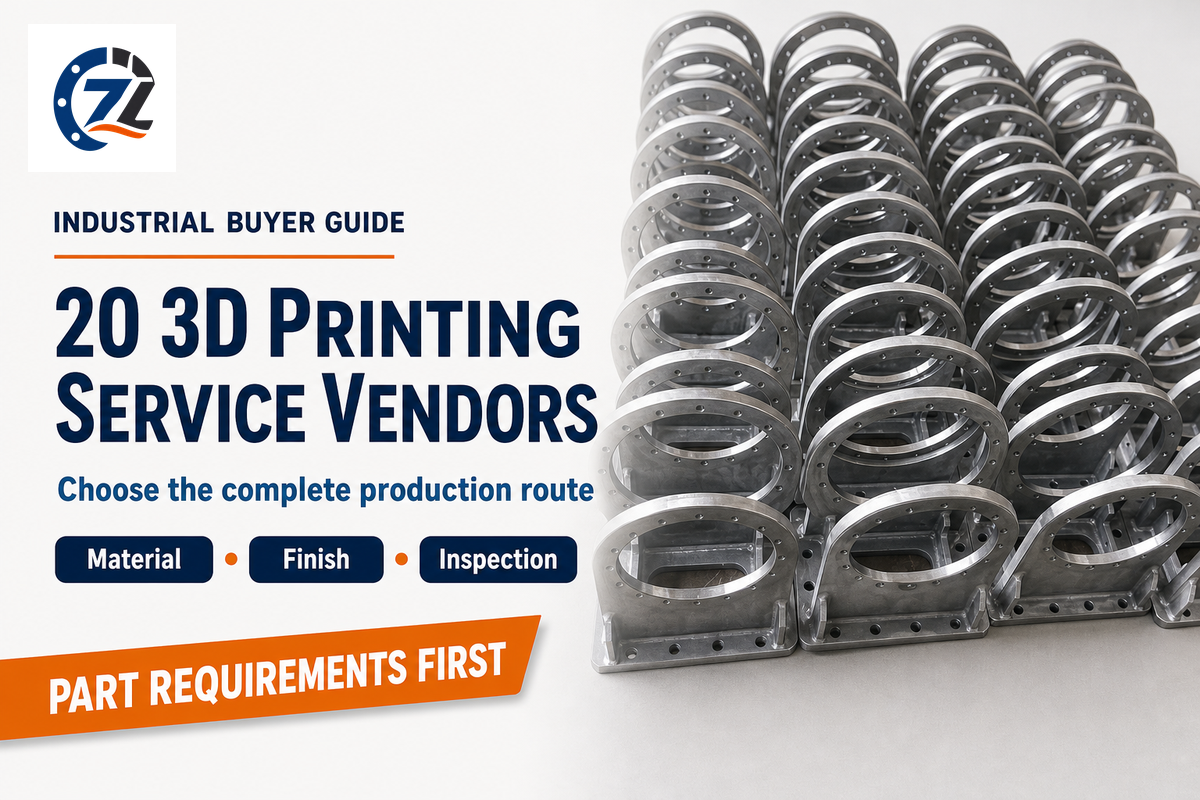
The best 3d printing service vendors for an industrial order depend on the part you need delivered. Zhenling Metal, Protolabs, Materialise and the other manufacturers below cover different combinations of printing, machining and finishing. Start with the material and finished condition, then compare the suppliers equipped to handle that work.
A resin presentation model, a functioning nylon housing, and a metal component with machined surfaces make very different requests of a supplier. Using a 3D printing service starts with deciding which of the three you need done. An appealing online quote may cover the cost of the print alone. Your purchasing decision also must consider the operations that turn it from a print into a finished component.
Quick Picks: Use the 3-Route Print-to-Delivery Map
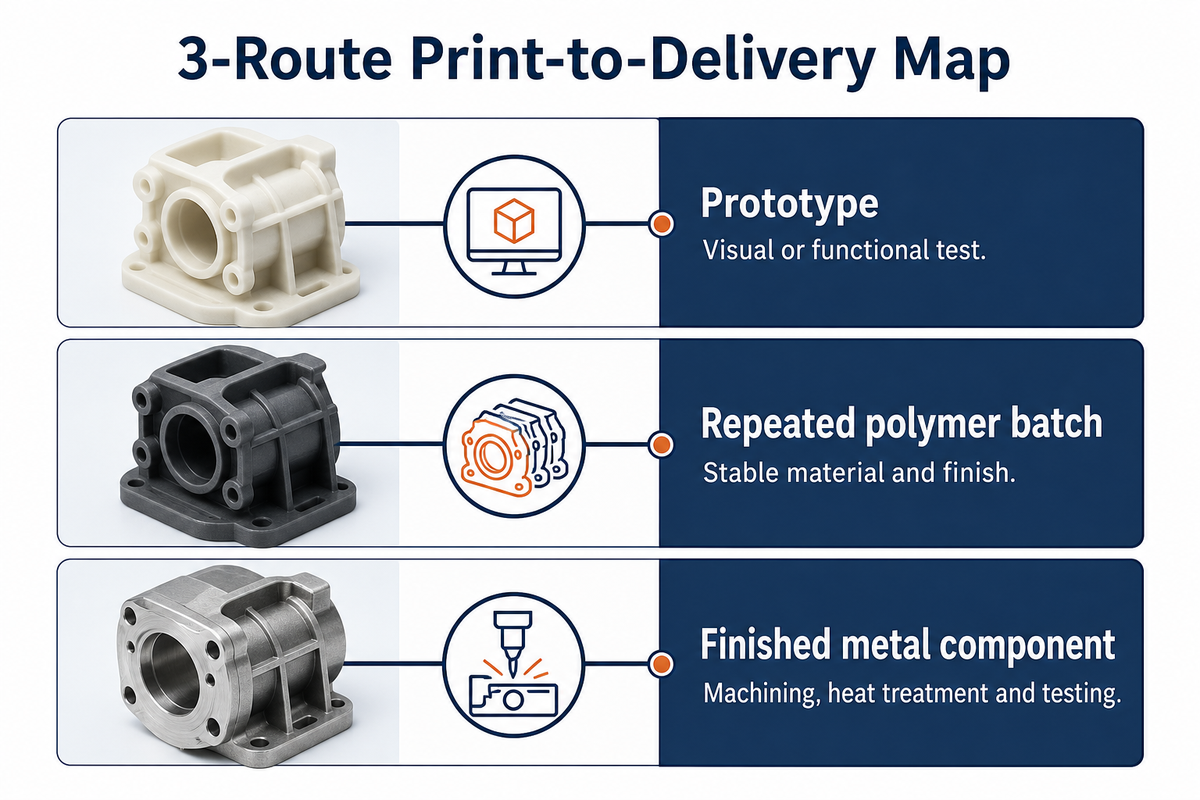
Choose a production route before comparing company size. The 3-Route Print-to-Delivery Map separates a visual or functional prototype, a repeated polymer batch, and a finished metal component. Each route presents a different purchasing question.
- Drawing-led work with machining: Start with Zhenling Metal, Protolabs, Quickparts or Prototek when a project spans printed and conventionally manufactured components. State which operations belong in the delivered price.
- Polymer prototypes and small batches: Materialise, Stratasys Direct, Sculpteo and RapidMade offer useful starting points for process and material comparison. Makelab also has a large-format route, while JLC3DP supports file-based online ordering.
- Finished metal production: Compare Fathom, FIT AG, FKM, 3T, Sintavia and Burloak against the actual alloy and downstream work. Heat treatment, machined surfaces and testing can determine the suitable supplier more than the printer name.
Engineers may use the process column to evaluate 3D printing technologies. Purchasing may use the disadvantages column to identify a qualification question. Quality teams should read the site and certification details in the company profiles before placing a supplier on an approved list.
How We Selected These 3D Printing Companies
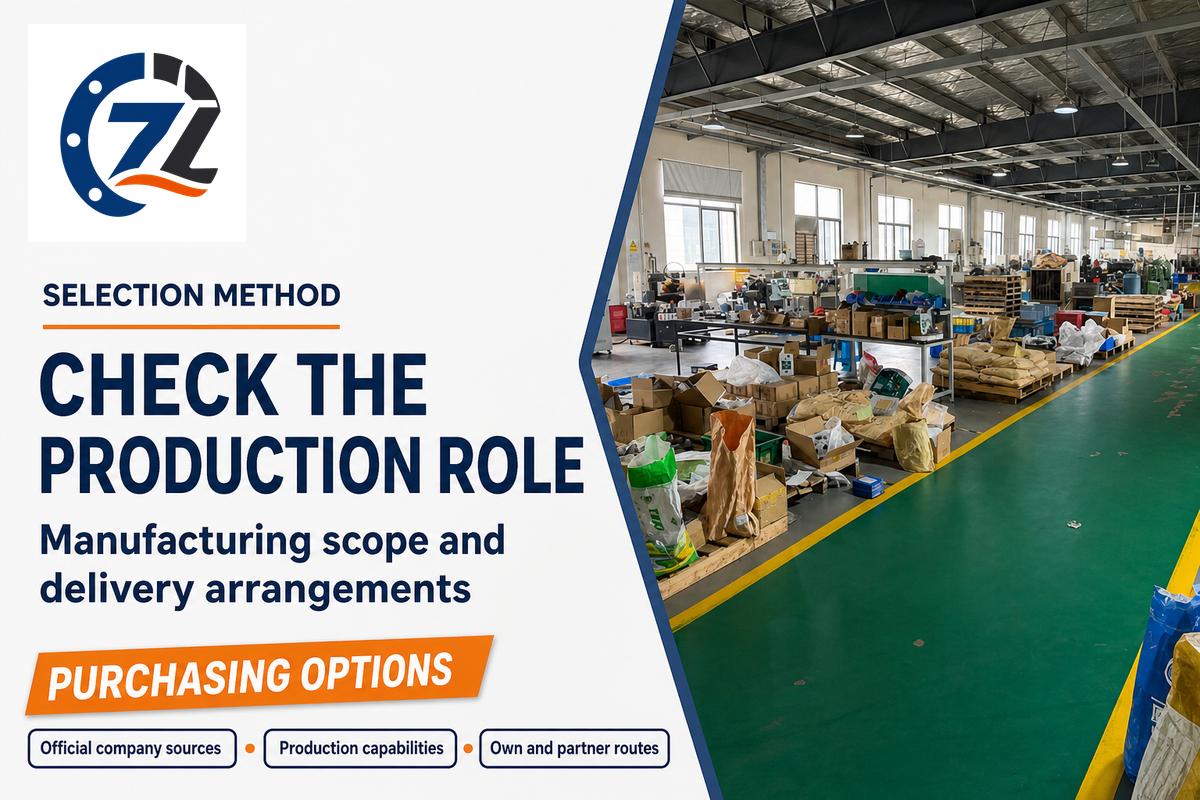
In October 2026, we compared company details against official websites and other company records to confirm their business activities. We focused on companies making industrial parts, and on companies that described their production and finishing processes. We excluded pure trading companies, distributors, sourcing platforms, directories, media, and used-equipment dealers. Companies integrating their own production with partner production, and describing these delivery arrangements, are included in the guide.
Zhenling’s printing service is included on its own confirmation of availability, alongside its documented machining operations. The list doesn’t imply that every printing process is performed on equipment owned by the named company. These are twenty purchasing options, not a global market-share ranking or an exhaustive directory. Founded dates refer to the named business, with legal or predecessor history explained where necessary.
20 3D Printing Service Vendors Compared
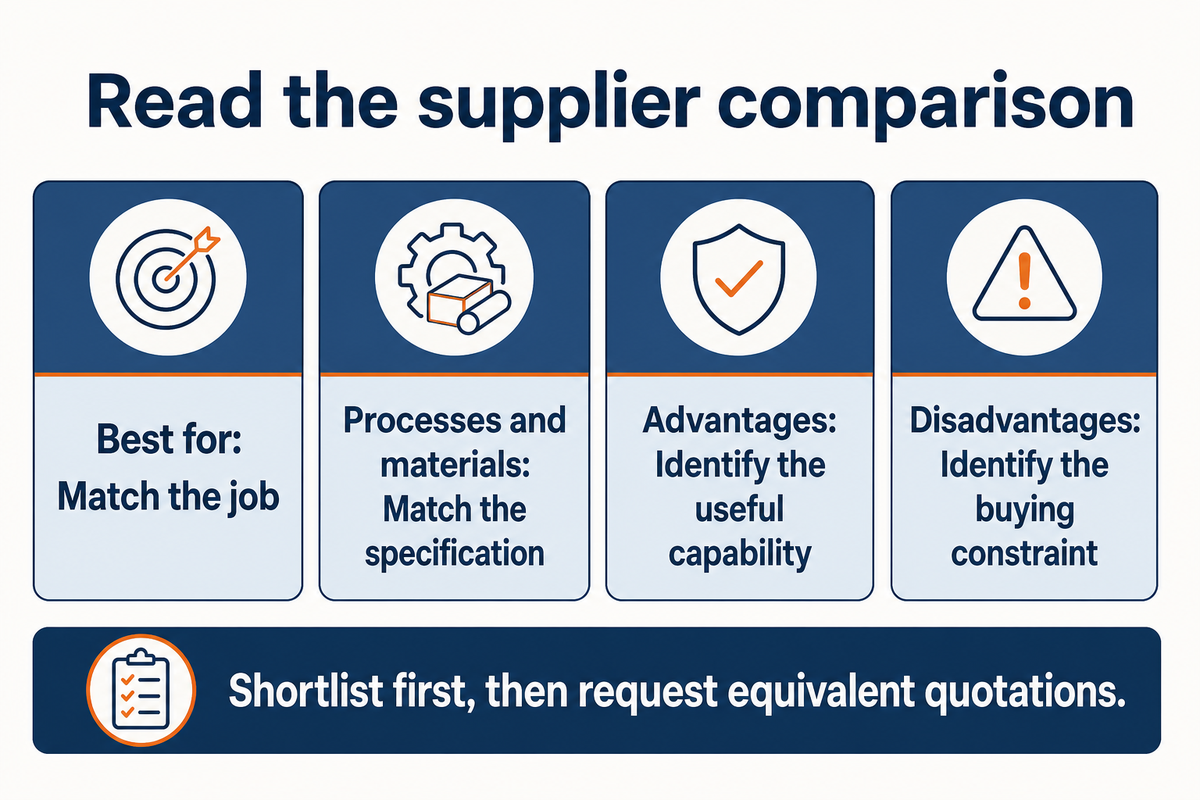
This table supports the shortlisting process. Best-for labels describe practical purchasing fit. Company profiles provide supporting rationale for each choice. One supplier can be listed in more than one route. Its placement in this table doesn’t restrict the full range of services the supplier can provide. Horizontally scroll to view process constraints and trade-offs.
| No. | Company Name | Headquarters | Founded Year | Best For | Brief Introduction | Printing Processes and Materials | Key Advantages | Potential Disadvantages | Official Website |
|---|---|---|---|---|---|---|---|---|---|
| 1 | Zhenling Metal | Shanghai, China | 2006 | Drawing-led printing and machining | Custom component manufacturer with a Jiashan machine shop | Printing route agreed against the drawing | Drawing review, machining, inspection and export | Engineering quotation required | https://zhenlingmetal.com/ |
| 2 | Protolabs | Maple Plain, USA | 1999 | Broad process choice | Digital manufacturer with factory and partner routes | SLA, SLS, MJF, DMLS, PolyJet, FDM | 120+ additive machines; secondary operations | Regional fulfilment route varies | https://www.protolabs.com/ |
| 3 | Quickparts | Seattle, USA | 1999 | Single prototypes through production | Owned facilities with supplementary partner capacity | SLA, SLS and direct metal printing | Factory orders without minimum quantities | Named-site production needs specification | https://quickparts.com/ |
| 4 | Prototek | Contoocook, USA | 1987 | High-mix component projects | Digital manufacturer combining additive and conventional services | MJF, SLA, DLP, Hybrid PhotoSynthesis and more | Printed parts, sheet metal and assembly | Some work uses partner capacity | https://prototek.com/ |
| 5 | IN3DTEC | Shanghai, China | 2014 | Printing with surface finishing | Manufacturing service covering polymer, metal and machining routes | SLA, SLS, MJF, metal and ceramic options | Finishing and broader manufacturing choices | Overseas schedules include transport | https://www.in3dtec.com/ |
| 6 | Unionfab | Shanghai, China | 2014 independent operation | Multi-process sourcing | Self-operated factories plus manufacturing partners | SLM, SLA, SLS, MJF, FDM, PolyJet, Binder Jetting | Six factories; 80+ polymers and metals listed | Controlled work needs an assigned production site | https://www.unionfab.com/ |
| 7 | HLH Prototypes | Shenzhen, China | 2008 | Prototype-to-low-volume development | Manufacturing operations in Shenzhen and Dongguan | SLA and SLS; machining and vacuum casting alternatives | 12,000 m² facility with six production zones | Fine-feature limits vary by printing process | https://www.hlhprototypes.com/ |
| 8 | Materialise | Leuven, Belgium | 1990 | Engineered polymer and small-series work | Additive manufacturing service with dedicated production operations | PolyJet, SLA, SLS, MJF and metal options | Engineering support and small-series production | Special requirements need the manufacturing team | https://www.materialise.com/ |
| 9 | Stratasys Direct | Minnetonka, USA (Stratasys HQ) | 2014 combined operation | Industrial polymer process selection | Three named US printing centers | FDM, PolyJet, SAF, SLS, P3 DLP, SLA, HP MJF | 200+ in-house printers; inspection options | Current direct-service menu is polymer-focused | https://www.stratasys.com/en/stratasysdirect/ |
| 10 | Sculpteo | Villejuif, France | 2009 | Nylon parts with finish choices | Factory-backed online manufacturing service | SLS and MJF polymers; material and finish catalogue | Polishing, dyeing and chemical smoothing | Finishing reduces some usable size envelopes | https://www.sculpteo.com/ |
| 11 | JLC3DP | Not publicly disclosed | Not publicly disclosed | File-based prototype ordering | Industrial manufacturer with fully owned printing facilities | SLA, SLS, MJF, FDM, SLM and binder jetting | 1,300+ industrial printers reported for December 2025 | Printing limits differ from machining tolerances | https://jlc3dp.com/ |
| 12 | Makelab | Brooklyn, USA | 2017 | Product models and oversized polymer parts | In-house additive manufacturer with design support | FDM, SLA, industrial SLA, MJF and FGF | Large-format options and weekly production capacity | FGF accuracy is looser than its SLA option | https://www.makelab.com/ |
| 13 | RapidMade | Portland, USA | 2011 | Functional low-volume polymer components | Manufacturing service with printing, tooling and forming routes | MJF and other polymer manufacturing options | Housings, fixtures and production-oriented support | Simple or tight-tolerance parts may favor machining | https://rapidmade.com/ |
| 14 | Prototal Group | Jönköping, Sweden | 1999 group formation | European repeat polymer production | Production group combining additive and molding services | SLS, MJF, FDM, SLA and other site-specific options | 130+ industrial printers across nine European facilities | Certification scope differs by facility | https://prototalgroup.com/ |
| 15 | Fathom | Hartland, USA | 2008 brand history | Printed metal with secondary machining | Contract manufacturer offering multiple production processes | DMLS and polymer additive technologies | Hartland additive and machining capabilities | Print timing and later machining work vary by part | https://fathommfg.com/ |
| 16 | FIT AG | Lupburg, Germany | 1995 | Metal parts with specialist post-processing | Additive design and manufacturing group | EBM, laser melting, DED and polymer processes | Heat treatment and HIP options | Medical certification covers specified activities | https://fit.technology/ |
| 17 | FKM Sintertechnik | Biedenkopf, Germany | 1994 | Ready-to-install sintered components | Contract manufacturer for polymer and metal parts | SLS and SLM | Testing laboratory and finishing services | Some machining operations involve partners | https://www.fkm.net/ |
| 18 | 3T Additive Manufacturing | Newbury, UK | 1997 legal incorporation | Finished metal components | Metal additive supplier with integrated downstream operations | Nickel, titanium, aluminum, stainless steel, cobalt chrome | Five-axis machining, heat treatment and testing | Unusual alloys need a process discussion | https://www.3t-am.com/ |
| 19 | Sintavia | Hollywood, USA | Not publicly disclosed | Aerospace power and thermal systems | Vertically integrated aerospace additive manufacturer | Metal aerospace components and PTMS | Metallurgical laboratory and non-destructive testing | Specialized aerospace program focus | https://sintavia.com/ |
| 20 | Burloak Technologies | Oakville, Canada | 2005 | Metal production with inspection | Metal additive manufacturer serving demanding industrial applications | Metal aerospace, space and industrial components | Heat treatment, machining and materials testing | Metal-centered service scope | https://www.burloaktech.com/ |
Drawing-Led and Multi-Process Manufacturing Services
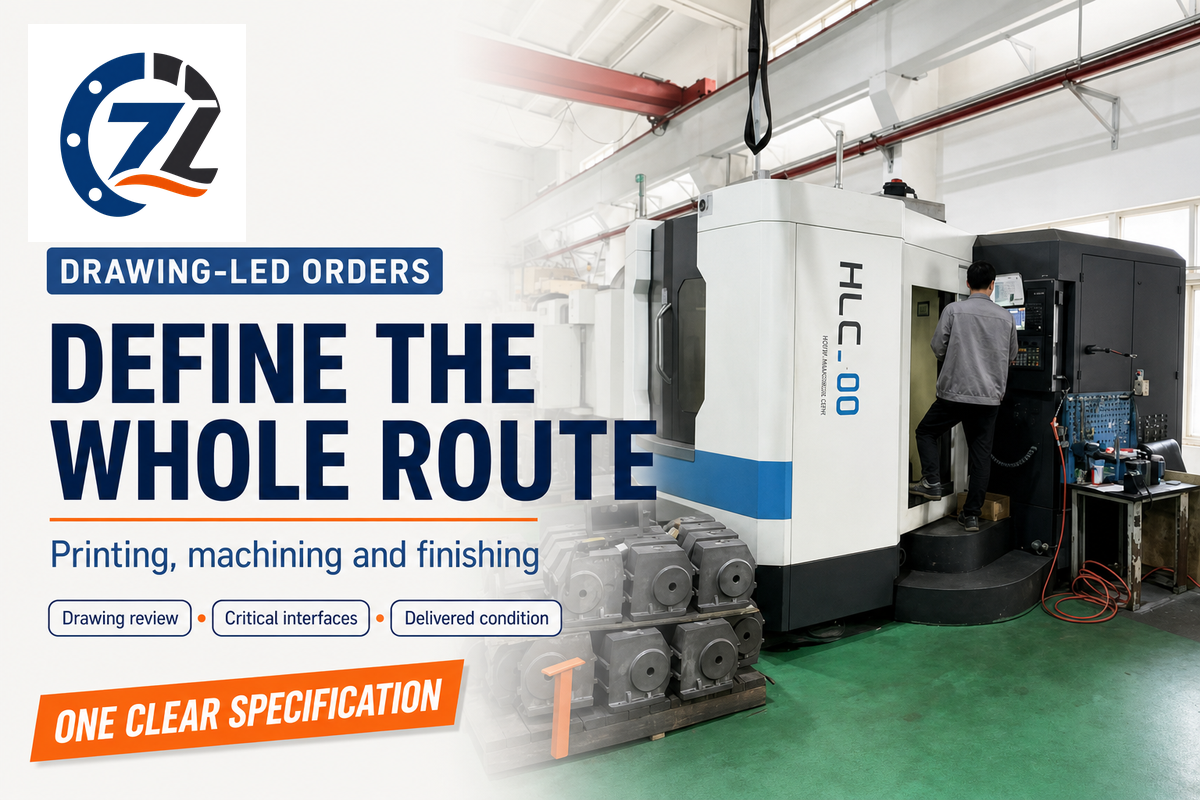
A multi-process supplier is useful when the drawing may require printing, machining or another manufacturing process. The purchasing advantage is having those routes discussed together. A broad service menu doesn’t establish which factory will make your specific part. Read the process and the production location specified in the quote alongside the price.
1. Zhenling Metal
Best for: Drawing-led orders combining printed parts and custom machining.
Headquarters: Shanghai, China; owned plant in Jiashan, Zhejiang
Official website: https://zhenlingmetal.com/
Founded: 2006
Company type: Custom component manufacturer and exporter with its own machine shop
Main products: Drawing-based components, valve bodies, flanges, rolls and custom assemblies
Capabilities: 3D printing services by drawing review; machining, welding and inspection at an 8,000 m² site with a 6,000 m² workshop
Certifications / notable work: Its website lists CE and ASME approvals for pressure-related work; additive requirements are specified separately.
Zhenling offers a useful starting point when the purchasing package includes both printed components and parts that need its custom machining services. The Jiashan plant’s drawing review, dimensional inspection and export support give buyers a route for discussing the complete component order, rather than selecting a print material in isolation. Process selection and delivery are drawing-specific, so this option requires an engineering quotation instead of an instant catalogue price.
2. Protolabs
Best for: A broad choice of plastic and metal printing processes.
Headquarters: Maple Plain, Minnesota, USA
Official website: https://www.protolabs.com/
Founded: 1999
Company type: Digital manufacturer with its own printing facilities and a separate partner-network route
Main products: SLA, SLS, MJF, DMLS, PolyJet, advanced photopolymers and FDM parts
Capabilities: More than 120 additive machines, with secondary machining and heat treatment
Certifications / notable work: The service website lists ISO 9001, ISO 13485 and AS9100D; facility scope applies.
Protolabs reports printing more than 250,000 parts each month, giving its digital manufacturing offer a substantial production context. Buyers can compare a functional prototype with later end-use parts while keeping alternative materials and manufacturing methods in view. Regional routing deserves attention: its 2025 filing says the Putzbrunn DMLS discontinuation was substantially completed in the fourth quarter, with European metal printing continuing through internal facilities and manufacturing partners.
3. Quickparts
Best for: One-off prototypes that may develop into production projects.
Headquarters: Seattle, Washington, USA
Official website: https://quickparts.com/
Founded: 1999, according to its PitchBook company profile
Company type: Manufacturing service with owned factories and a partner network
Main products: SLA, SLS, direct metal printing, machined, cast and molded components
Capabilities: Factory services with no minimum order quantity
Certifications / notable work: Its website lists ISO 9001:2015 at Seattle, Lawrenceburg and Detroit; Seattle also lists ISO 27001:2022.
Quickparts makes the first prototype a reasonable entry point because a buyer doesn’t need to commit to a production batch to use its factory services. The combination of printing and conventional manufacturing also supports a discussion about changing the process as the design matures. Its delivery model includes expert partners alongside owned facilities, so orders tied to a named production site need that condition specified before release.
4. Prototek
Best for: High-mix projects involving printed, machined and fabricated components.
Headquarters: Contoocook, New Hampshire, USA
Official website: https://prototek.com/
Founded: 1987
Company type: Digital manufacturer operating US plants with supplementary partner capacity
Main products: Laser sintering, MJF, SLA, DLP, Hybrid PhotoSynthesis, filament fabrication and material jetting
Capabilities: Additive manufacturing, precision sheet metal, CNC machining and assembly for high-mix, low-volume work
Certifications / notable work: Its website states ISO 9001:2015 and AS9100D, subject to facility scope.
Prototek’s value is the combination of processes within a component program, particularly when the assembly contains more than printed parts. Hybrid PhotoSynthesis sits alongside established polymer routes in its public menu, giving engineers another technology to discuss against the intended geometry and material behavior. Production-location requirements need early attention because the business supplements its US facilities with domestic and international partners.
5. IN3DTEC
Best for: Printed parts that also need a defined surface finish.
Headquarters: Shanghai, China
Official website: https://www.in3dtec.com/
Founded: 2014
Company type: Manufacturing service covering additive and conventional production
Main products: Polymer and metal printed parts, machined components and finished prototypes
Capabilities: SLA, SLS, MJF, metal printing, CNC machining and surface finishing
Certifications / notable work: The company lists ISO 9001 and ISO 13485 on its website, and describes ceramic, sand-printing and casting options.
IN3DTEC is worth considering when the appearance or treatment of the delivered part matters as much as the chosen 3D printing process. Its printing and surface finishing services allow an engineer to discuss the manufacturing route and final condition within the same enquiry. Overseas purchasing schedules must include transport and import handling after production; a quoted manufacturing lead time alone doesn’t describe when the part reaches your assembly line.
6. Unionfab
Best for: Multi-process printing orders with several material options.
Headquarters: Shanghai, China
Official website: https://www.unionfab.com/
Founded: Independent operation began in 2014
Company type: Manufacturer combining self-operated factories with a network of manufacturing partners
Main products: SLM, SLA, SLS, MJF, FDM, PolyJet and Binder Jetting parts
Capabilities: Its factory page describes six smart factories covering 80+ polymers and metals
Certifications / notable work: ISO 9001 and ISO 13485 certificates are displayed on the factory page.
Unionfab’s factory tour identifies MJF, DLP and PolyJet workstations in Shanghai, adding useful detail to its broad process list. The menu suits buyers comparing resin, nylon and metal routes before committing to a production method, particularly where several custom parts have different material requirements. Controlled production needs an agreed site and subcontracting scope because Unionfab combines its own factories with manufacturing partners.
7. HLH Prototypes
Best for: Development projects moving from prototypes toward low-volume production.
Headquarters: Shenzhen, China; manufacturing operations also in Dongguan
Official website: https://www.hlhprototypes.com/
Founded: 2008
Company type: Prototype and low volume manufacturing business
Main products: SLA and SLS parts, CNC prototypes, vacuum casting and tooling
Capabilities: A 12,000 m² facility organized into six production zones, according to its website
Certifications / notable work: The company lists ISO 9001 and ISO 13485.
HLH offers a useful bridge between rapid prototyping and another process such as vacuum casting once the project needs a different material or batch size. Having tooling and machining in the same service discussion helps buyers avoid treating additive manufacturing as the only available route. Its published minimum fine-feature dimensions differ between SLA and SLS, so a detail that works in the resin route shouldn’t automatically be carried into a nylon design.
Polymer Prototyping and Small-Batch Services
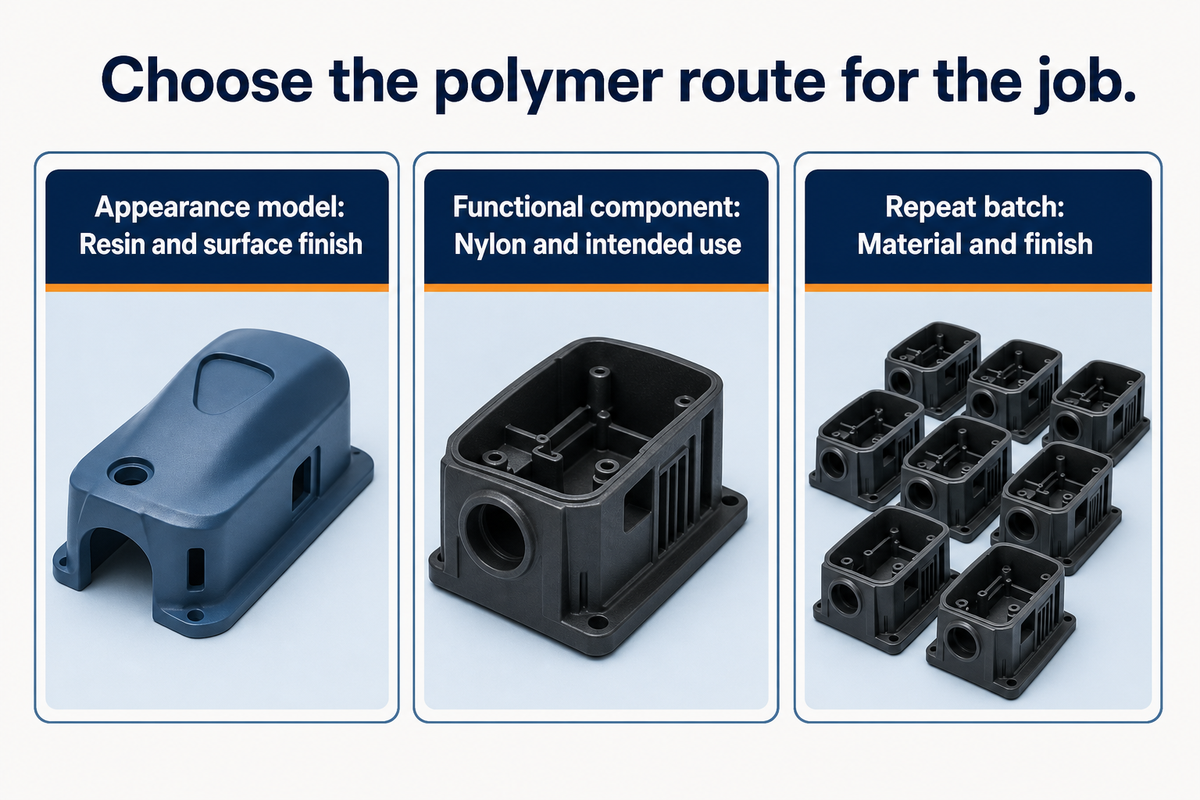
Polymer printing suppliers are different in the material they use, the surface finishing, and how they handle repeat batches. A smooth resin model and a functional nylon component can look good in a picture, but serve different purposes. Match the printing materials to the actual test or end-use condition, and compare the ordering experience.
8. Materialise
Best for: Engineered polymer parts and small-series manufacturing.
Headquarters: Leuven, Belgium
Official website: https://www.materialise.com/
Founded: 1990
Company type: Additive manufacturing service with dedicated production operations
Main products: PolyJet, SLA, SLS, MJF and metal printed components
Capabilities: Engineering support, prototyping and small-series production
Certifications / notable work: Its manufacturing pages list EN9100, ISO 9001 and ISO 13485 for relevant operations.
Materialise combines an online ordering route with a manufacturing team for projects that need more discussion. Its Leuven operations and small-series offer make it relevant to engineers moving beyond a display model into a repeatable component supply arrangement. Metal orders, additional certification and other requirements outside the standard OnSite service need the manufacturing team, so the ordinary online checkout isn’t the right route for every controlled production job.
9. Stratasys Direct
Best for: Selecting among industrial polymer printing technologies.
Headquarters: Minnetonka, Minnesota, USA (Stratasys HQ)
Official website: https://www.stratasys.com/en/stratasysdirect/
Founded: Combined service operation dates to 2014
Company type: In-house additive manufacturer with three named US printing centers
Main products: FDM, PolyJet, SAF, SLS, P3 DLP, SLA and HP MJF parts
Capabilities: More than 200 in-house printers; First Article Inspection and production documentation options
Certifications / notable work: The company lists quality credentials including ISO 13485, with site-specific scope.
Stratasys Direct’s service page names Minnetonka, Belton and Tucson, and explains the materials and size envelopes of its polymer processes. That detail is useful when an engineer is comparing fused deposition modeling with powder-bed or PolyJet 3D printing for an industrial-grade part. The current direct-service menu is polymer-focused, so a buyer seeking a metal production component should choose from the metal specialists rather than infer a metal offer from older references to the brand.
10. Sculpteo
Best for: Nylon parts with a choice of finishing treatments.
Headquarters: Villejuif, France
Official website: https://www.sculpteo.com/
Founded: 2009
Company type: Factory-backed online manufacturing service; joined 3D Prod in May 2026, according to TCT
Main products: SLS and MJF polymer parts with a material and finish catalogue
Capabilities: Dyeing, polishing and chemical smoothing; raw white PA12 size up to 665 × 356 × 545 mm
Certifications / notable work: Its website lists ISO 9001 and ISO 13485.
Sculpteo makes finish selection a visible part of the buying process, which helps teams ordering both appearance models and functional nylon components. Its PA12 guidance illustrates why final condition matters: the listed polishing envelope is 300 × 220 × 200 mm, with the sum of dimensions limited to 540 mm. A large part that fits the raw-print envelope therefore doesn’t automatically qualify for the polished option, and that distinction belongs in the initial order specification.
11. JLC3DP
Best for: File-based prototype and small-batch purchasing.
Headquarters: Not publicly disclosed in the reviewed company profile
Official website: https://jlc3dp.com/
Founded: Not publicly disclosed
Company type: Industrial printing manufacturer operating fully owned production facilities
Main products: SLA, SLS, MJF, FDM, SLM and binder-jetted parts
Capabilities: Instant quotes, order tracking and no minimum order
Certifications / notable work: No certification specified in the reviewed profile; the company reports 1,300+ industrial printers as of December 2025.
JLC3DP is a practical online 3D printing service for buyers who want to select a listed material and follow the order through a defined process. You can upload your 3D file to get an instant quote, while its polymer and metal choices allow early prototypes to be compared across several routes. Published printing limits remain process-dependent and shouldn’t be treated as precision-machining tolerances for tight interfaces.
12. Makelab
Best for: Product models, production batches and oversized polymer parts.
Headquarters: Brooklyn, New York, USA
Official website: https://www.makelab.com/
Founded: 2017
Company type: In-house additive manufacturer with a Brooklyn production facility
Main products: FDM, SLA, industrial SLA, MJF and FGF polymer parts
Capabilities: Design engineering and oversized parts up to around 2400 mm
Certifications / notable work: No certification specified in the reviewed profile; the company reports 5,000+ parts per week and three inspection checkpoints per order.
Makelab’s large-format offering gives product and display teams a route beyond a desktop-sized build. Design support sits alongside the printing service, which is useful when the 3D model needs preparation before production rather than a simple file transfer. Its FGF option lists a 1.0 mm tolerance, considerably looser than its SLA option, so oversized parts need geometric expectations matched to the selected process.
13. RapidMade
Best for: Functional polymer parts for low-volume industrial use.
Headquarters: Portland, Oregon, USA
Official website: https://rapidmade.com/
Founded: 2011
Company type: Manufacturing service covering printing and conventional production routes
Main products: MJF components, housings, fixtures, tooling and formed parts
Capabilities: Low-volume custom manufacturing; its 2023 facility announcement describes 30,000 square feet
Certifications / notable work: Its ISO 9001:2015 certificate covers custom low-volume manufacturing, with the displayed term running from February 2025 to February 2028.
RapidMade’s offer is relevant when a printed component has a practical job in a fixture, housing or production assembly. Printing sits beside other manufacturing options, giving an engineer room to choose a route based on function instead of committing to additive production at the enquiry stage. Very simple shapes, high quantities or particularly tight tolerances can favor machining or molding, a limitation that makes its broader process discussion useful.
14. Prototal Group
Best for: Repeat polymer production through a European manufacturing group.
Headquarters: Jönköping, Sweden
Official website: https://prototalgroup.com/
Founded: Prototal AB formed in 1999; its Electrolux predecessor used additive equipment in 1989
Company type: Production group combining additive manufacturing and molding services
Main products: SLS, MJF, FDM, SLA and other site-specific printing options
Capabilities: 130+ industrial printers across nine European facilities, according to its website; injection molding is also available
Certifications / notable work: Jönköping lists ISO 9001 and ISO 14001; Malmö lists ISO 13485.
Prototal is relevant to a buyer who expects a prototype to become repeated polymer production and wants access to both additive and molding routes. Its group footprint offers several production locations without requiring a separate shortlist entry for each factory. Certification differs by facility, so a medical-production enquiry needs the applicable site rather than a general assumption that every group location has the same scope.
Metal 3D Printing and Production Specialists
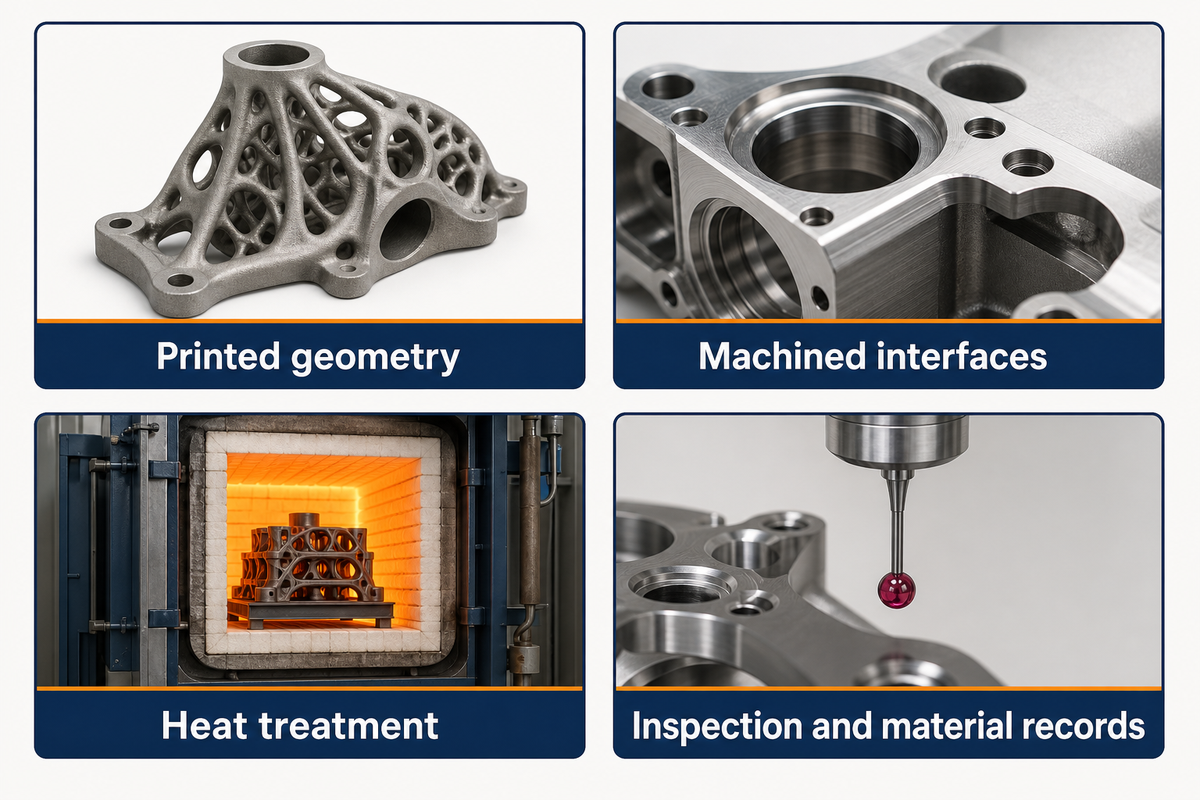
A metal printing order usually ends after machining, heat treatment or inspection rather than after the build. Some suppliers in this space focus on the later operations. Compare the condition the part is delivered in to your drawing, including the interfaces which need to be machined and the material records required with the part.
15. Fathom
Best for: Additive metal parts requiring secondary machining.
Headquarters: Hartland, Wisconsin, USA
Official website: https://fathommfg.com/
Founded: 2008 for the Fathom brand
Company type: Multi-process contract manufacturer
Main products: DMLS metal components, polymer printed parts and conventionally manufactured components
Capabilities: Its Hartland operation lists 57 additive machines alongside machining services
Certifications / notable work: The company lists ISO 9001 and AS9100D for relevant operations.
Fathom’s Hartland combination makes it a useful candidate when a metal print needs defined interfaces after the additive build. The purchasing discussion can cover both the printed geometry and the subsequent material removal, rather than leaving the buyer to find a second shop after the print arrives. A rapid or next-day printing offer doesn’t establish the completion date for a part that still requires secondary machining, so the delivered schedule must cover those operations.
16. FIT AG
Best for: Metal additive parts with specialist post-processing requirements.
Headquarters: Lupburg, Germany
Official website: https://fit.technology/
Founded: 1995
Company type: Additive design and manufacturing group
Main products: EBM, laser-melted, DED and polymer components
Capabilities: Engineering, heat treatment and hot isostatic pressing, or HIP
Certifications / notable work: The company lists ISO 9001, specified ISO 13485 activities and ISO 3834-2 for its DED welding scope.
FIT’s combination of additive design and post-processing is relevant when the route to the finished material condition needs engineering input. HIP and heat treatment are useful topics for that discussion, particularly when the part’s requirements extend beyond external geometry. Its stated medical scope includes particular activities such as EBM titanium blanks and PolyJet ocular prostheses; buyers should match a medical project to that scope instead of treating the certificate as approval for any printed medical part.
17. FKM Sintertechnik
Best for: Ready-to-install sintered polymer and metal components.
Headquarters: Biedenkopf, Germany
Official website: https://www.fkm.net/
Founded: 1994
Company type: Contract manufacturer for additive production
Main products: SLS polymer and SLM metal parts
Capabilities: Finishing, an in-house testing laboratory and ready-to-install component supply
Certifications / notable work: Its website lists ISO 9001 and IATF 16949.
FKM presents the delivered component as the product, which fits buyers who need more than an unfinished build. Its testing laboratory and finishing services give procurement a basis for discussing the inspection and final condition of a repeat order, rather than comparing printing capacity alone. Some mechanical processing uses partners, including named machining and foundry specialists, so a requirement to keep every downstream operation at one facility may narrow the fit.
18. 3T Additive Manufacturing
Best for: Finished metal components with an integrated downstream route.
Headquarters: Newbury, United Kingdom
Official website: https://www.3t-am.com/
Founded: Legal incorporation in 1997; the 3T RPD name was adopted in 1999
Company type: Supplier of finished metal components and subassemblies; Companies House records SBO AG as its current controller
Main products: Nickel alloys, Ti6Al4V, aluminum alloys, stainless steel and cobalt chrome
Capabilities: Metal printing, five-axis machining, heat treatment, material testing and inspection in one facility
Certifications / notable work: Its website states EN 9100:2018 for series production.
3T reports a 15-year material-property database, giving its parameter development a longer production context than a simple machine list. The in-house downstream operations are particularly relevant when a drawing combines additive geometry with machined interfaces and a documented final material condition. Production is organized around five core alloy groups, so an unusual alloy needs a separate process discussion instead of being assumed available from the standard menu.
19. Sintavia
Best for: Aerospace power and thermal management systems.
Headquarters: Hollywood, Florida, USA
Official website: https://sintavia.com/
Founded: Not publicly disclosed consistently in the reviewed company materials
Company type: Vertically integrated aerospace additive manufacturer
Main products: Metal aerospace components and power and thermal management systems, or PTMS
Capabilities: Powder and metallurgical laboratory work, printing, post-processing and non-destructive testing
Certifications / notable work: Its website lists AS9100, ISO 14001, ISO 17025 and Nadcap credentials for relevant activities.
Sintavia’s focus is an engineered aerospace system or component program, with material evaluation and production steps considered together. That makes it relevant when the purchasing team needs to discuss thermal performance, metal processing and inspection within a specialized manufacturing relationship. The same focus makes it a narrower option for a buyer who only wants a low-cost polymer presentation model through a general online catalogue.
20. Burloak Technologies
Best for: Metal production requiring machining and materials testing.
Headquarters: Oakville, Ontario, Canada
Official website: https://www.burloaktech.com/
Founded: 2005
Company type: Metal additive manufacturer
Main products: Aerospace, space and industrial metal components
Capabilities: Additive production, heat treatment, machining and materials testing
Certifications / notable work: Its website lists AS9100, ISO 9001 and activity-specific Nadcap and laboratory credentials.
Burloak’s appeal is the connection between metal printing and the work required to deliver an inspected component. Buyers sourcing space or other demanding industrial parts can use that scope to discuss the material record and finishing route at the start of the project. Its offer is metal-centered, so it’s less relevant to a procurement exercise built mainly around resin models or commodity polymer prototypes.
How to Choose an Industrial 3D Printing Service
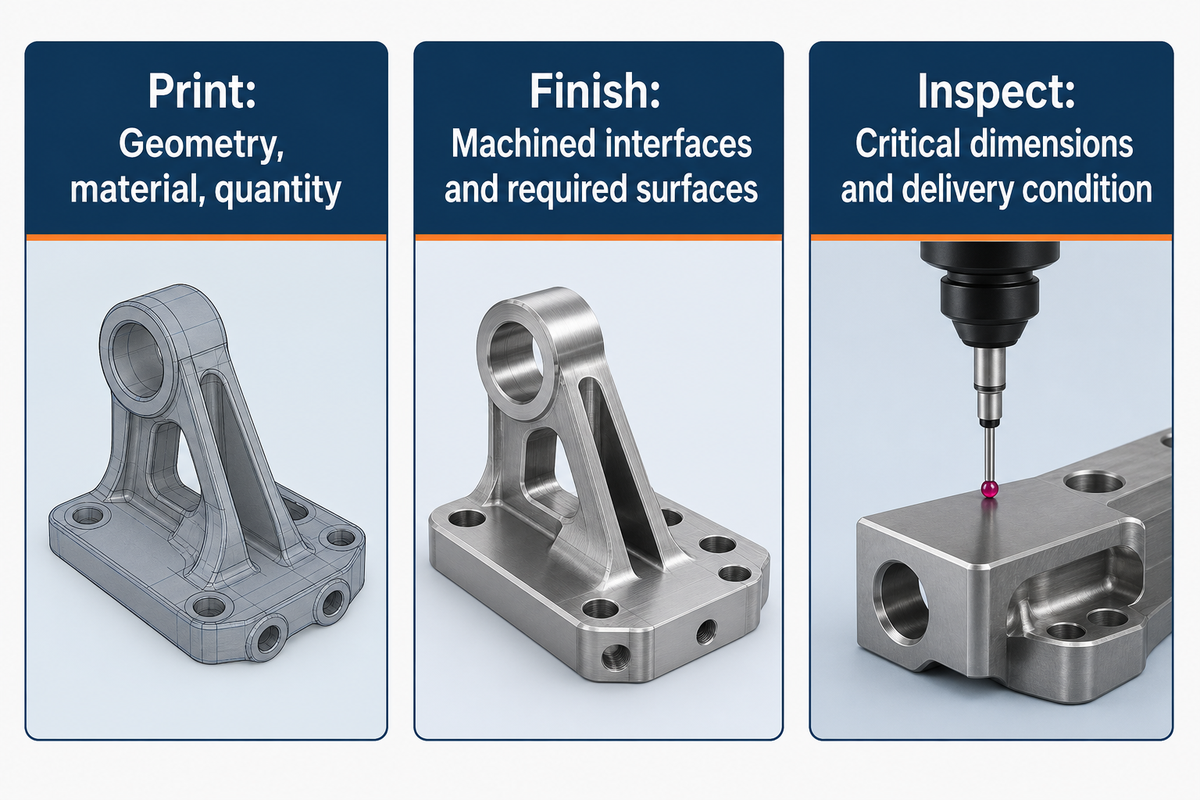
Define the part you want before requesting a 3D printing quote. A useful enquiry for custom 3D printed parts names the material, quantity, intended function and delivery condition, and includes the CAD file plus a drawing for critical features. Sometimes, comparing suppliers against the same request helps show the difference in printing, finishing and inspection.
Which 3D printing technology is best for functional plastic prototypes?
You must first define the test the prototype must pass. Selective laser sintering and HP Multi Jet Fusion are routes to discuss for functional nylon parts, including nylon 12. Engineering thermoplastics via FDM are an alternative route. When appearance and surface of the model are important, SLA, or stereolithography, should also be in the discussion.
Names of materials by themselves aren’t enough to make a decision. A resin sold for a particular application still needs the process and finish to suit that application. The supplier’s data sheet should explain the relevant 3D printing materials. Before deciding to use the material for a production part, ask the supplier how the material behaves in your service environment.
How can I reduce my 3D printing costs?
Compare the complete delivered cost of a part in the quote. Not all work on a part is required. A hidden surface may not need the finish used on a presentation surface. Conversely, failing to include required machining in the first quote results in a low initial cost and isn’t indicative of the cost of the finished part. This is not cost efficiency.
A 3D printing quote online request is useful when the finish and material options are clear. An instant online price becomes less useful when there are still engineering changes, a special inspection plan, or a controlled production site. Get a quote for these together, and inquire if batch quantity changes the proposed manufacturing route. The best price is the one that’s fixed to the same accepted condition of the part.
Compare print, finish and inspection as separate parts of the order
The first route in the map is for a prototype, meaning that appearance or fit is the primary concern. Professional 3D printing services may be helpful to choose the process and explain options for finish before the design is finalized. Design support from 3D printing services may be more helpful than a larger printer fleet if the file still needs modifications. A prototyping service to resolve the geometry may help avoid a premature print order.
The second route is repeated polymer production. For functional end-use parts, record the selected material and finish so that a later batch is ordered on the same basis. Production parts need a stable specification even with an ordering interface that supports repeated ordering. On-demand 3D printing changes when you order; it doesn’t eliminate the need to determine what was accepted.
The third route is finished metal delivery. A transition from 3D printing to CNC machining needs agreement on the surfaces to be machined and the condition of the printed blank. Zhenling’s precision interface machining and surface finishing options illustrate the separate operations a drawing may require. Confirm which company is responsible for the completed route.
Check the production role and quality scope once, before ordering
A manufacturer may use its own factory for one process and partner factories for another. A supplier may offer services worldwide while producing the order in a given location. Determine the production location when location matters for qualification or delivery. Equipment brands like 3D Systems describe the machine ecosystem; they aren’t a substitute for determining the service bureau responsible for your order.
The 3D printing industry includes equipment manufacturers and professional services companies with different roles. Counts of 3D printing machines are useful context; however, a total of all equipment in a fleet doesn’t provide information on whether the chosen material and finish routes are available at the production location in question. Focus on the production work that will yield your component.
Read certificates against the actual entity, site and activity. A quality-management certificate doesn’t approve every material, medical application or aerospace component. For a high-quality delivered part, the practical question is whether the agreed process and inspection meet the drawing. Keep the qualification discussion focused instead of repeating the request for a generic certificate for every named process.
Which Chinese Standards Belong in a 3D Printing Order?
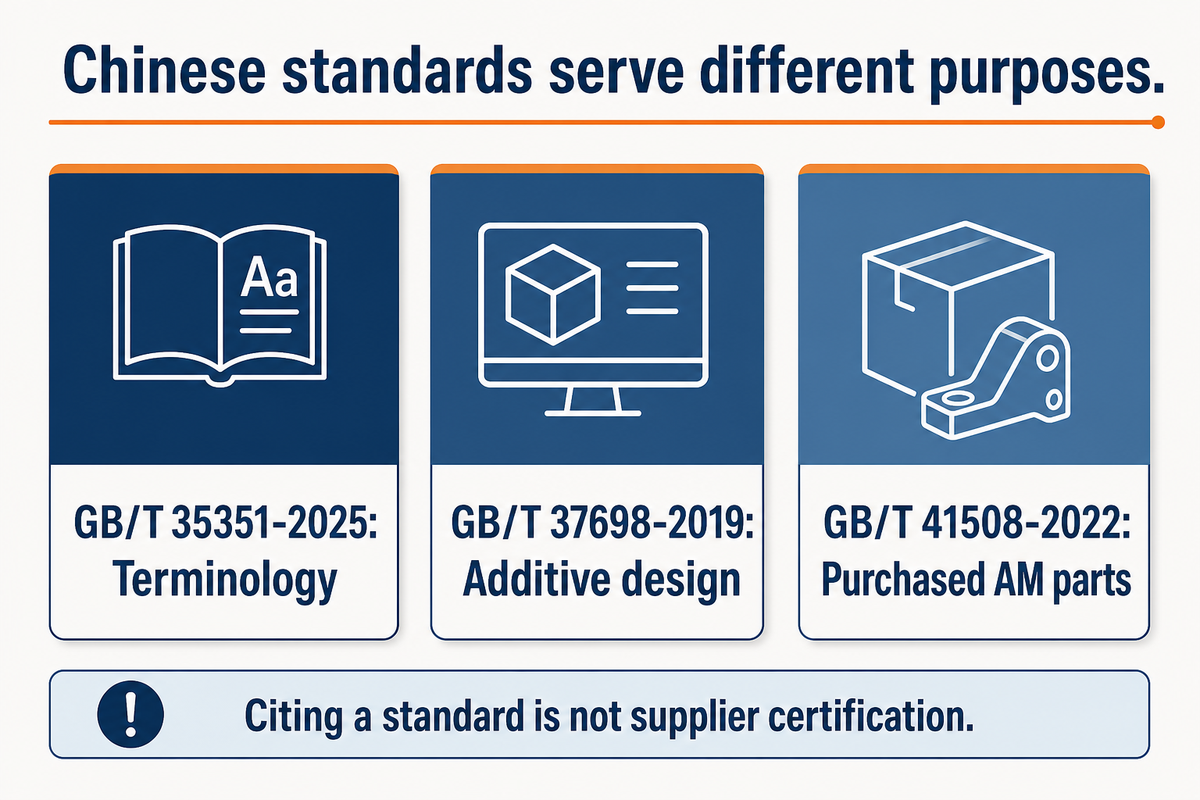
For a China-based enquiry, start by naming the applicable design and purchase requirements rather than writing a general request for “domestic standards.” Three current national-standard records provide useful reference points: terminology, additive design and requirements for purchased additive-manufactured parts. They respond to different questions and shouldn’t be considered in the absence of part-specific drawings.
- GB/T 35351-2025, Additive manufacturing, Terminology: The current official catalog records state that this version became effective on September 1, 2025. Use standard terminology to describe the process and discuss the order.
- GB/T 37698-2019, Additive manufacturing, Design, Requirements, guidelines and recommendations is listed as current, effective June 4, 2019. It’s a design standard that may be cited in the engineering discussion.
- GB/T 41508-2022, Additive manufacturing, General principles, Requirements for purchased AM parts: This is listed as current, effective February 1, 2023. It’s the purchase-requirements reference of the three documents and therefore pertinent to purchasing.
Clearly state the edition, along with requirements for material, dimensions, finish and inspection. Specifying a standard alone isn’t enough to define acceptance limits, and stating these standards doesn’t prove that the supplier is certified. The official records (listed below) state the status of each record; detailed requirements are to be agreed upon from the text of the applicable standard and your specification.
Frequently Asked Questions
Which is the best 3D printing service vendor for a production order?
Choose the vendor whose documented process, material and finishing route match your production part. A functional nylon housing, a resin presentation model and a metal component with machined interfaces need different capabilities. Compare the complete delivered condition and repeat-order requirements before deciding which company is best for your particular manufacturing job.
Who is the largest 3D printing company in the world?
Company size depends on the measure: revenue, printer fleet, production sites or parts shipped. Those figures describe different operations and aren’t interchangeable. For a purchasing decision, start with a supplier’s relevant process capacity and delivery scope rather than a worldwide size claim that combines equipment sales with contract manufacturing services.
What is the difference between a manufacturer and a supplier?
A manufacturer makes the ordered parts; a supplier may manufacture them, place the order with another factory or combine both approaches. A service platform can therefore be a supplier without operating every printer involved. Identify the business responsible for production, finishing and inspection so that the quotation matches the delivery arrangement.
What type of file format is needed for additive manufacturing?
Use the file format accepted by the selected vendor and retain a dimensioned drawing for critical requirements. A mesh file describes geometry but doesn’t carry every tolerance or inspection instruction. Confirm units, revision and finish when submitting the order.
How much does it cost to have someone 3D print a part?
An accurate industrial printing price requires the part geometry, material, quantity and delivery requirements. Printing is only one part of the order: support removal, curing or heat treatment, machining, finishing and inspection may add separate work. Compare quotations for the same finished condition, not an advertised entry price. Where a provider offers instant online quotes, upload the actual file and select the required material and finish before using the result to establish a purchasing budget for that specific part order.
Should I buy a 3D printer or use manufacturing on demand?
Use an outside service when the required process, material or workload doesn’t justify operating it internally. Buying equipment also creates responsibility for production preparation, maintenance, finishing and inspection. Compare those responsibilities with expected repeat demand before choosing either route.
Send the Drawing for a Production Review
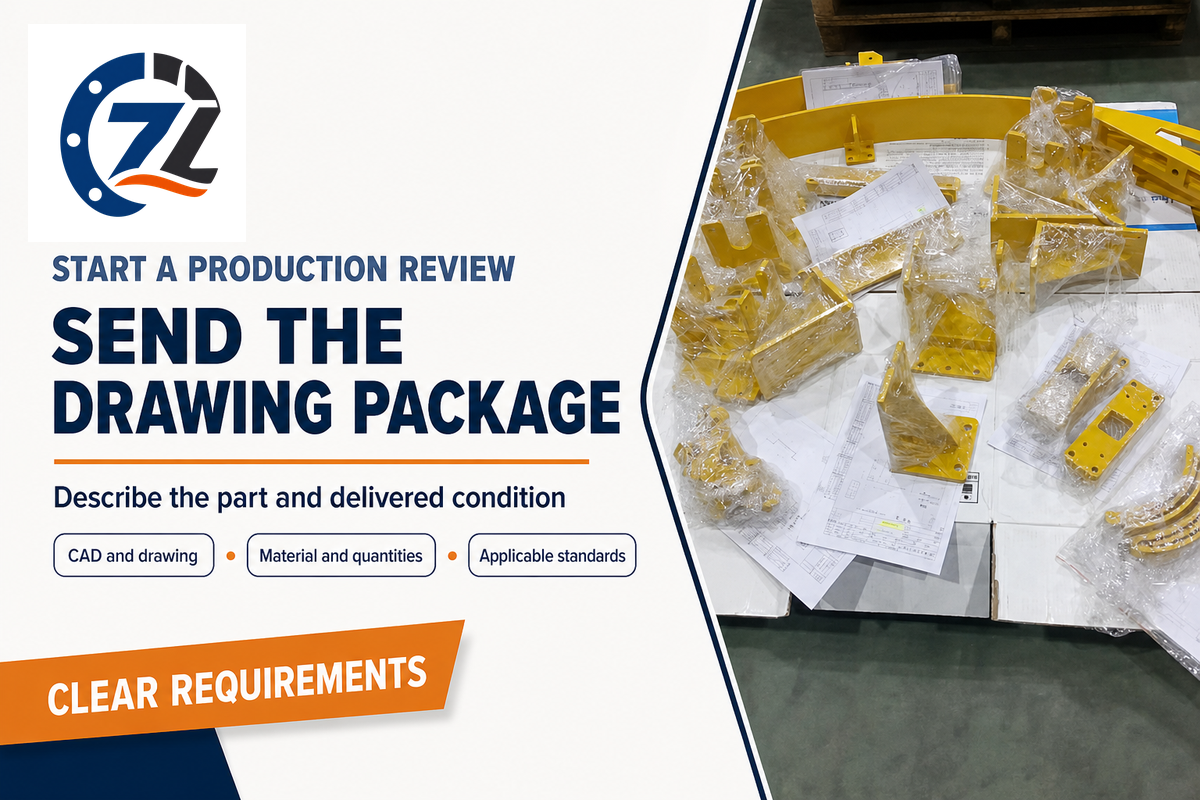
Shortlist the suppliers that match your route, then compare quotations for the same finished condition. For a Zhenling enquiry, upload your CAD file with a dimensioned drawing and the intended material or service conditions. Include quantities and any required Chinese standard editions so the production discussion starts with a clear specification.
A project may call for printing, machined development prototypes or small-batch machined components. Describe the part’s job and the condition you need delivered. Our team can review that package with you through the Zhenling drawing and quotation process.
References and Sources
Company profiles draw on the official websites listed in the table and cards. Capacity and quality statements are attributed to those companies. Public records and additional sources used for dates, ownership and standards include:
- Protolabs 2025 annual filing: facilities and European service routing
- Companies House: 3T incorporation and former names
- Companies House: 3T current control record
- TCT: 3D Prod and Sculpteo merger, May 2026
- PitchBook: Quickparts company profile
- National standard catalogue: GB/T 35351-2025
- National standard catalogue: GB/T 37698-2019
- National standard catalogue: GB/T 41508-2022
ZHENLING / MADE-TO-PRINT MANUFACTURING
From Engineering Question to RFQ-Ready Drawing
Zhenling supports custom flanges, valve bodies, rolls, bent pipe, and profiled machined parts for industrial buyers. Our engineers review the drawing, material condition, tolerance stack, quantity, and inspection requirements before the machining route is quoted.
START WITHDrawing · Sample · Critical dimensions
DEFINEMaterial · Quantity · Tolerance · Certification
DRAWING / MATERIAL / TOLERANCE
Prepare Your Part Brief
- PART INPUT
- 2D/3D drawing or sample
- PROCESS REVIEW
- Machining · forming · welding · inspection
- RESPONSE ROUTE
- Submit the website inquiry form
We use your details to review and respond to the enquiry. See our Privacy Policy.


